/main.jpg)
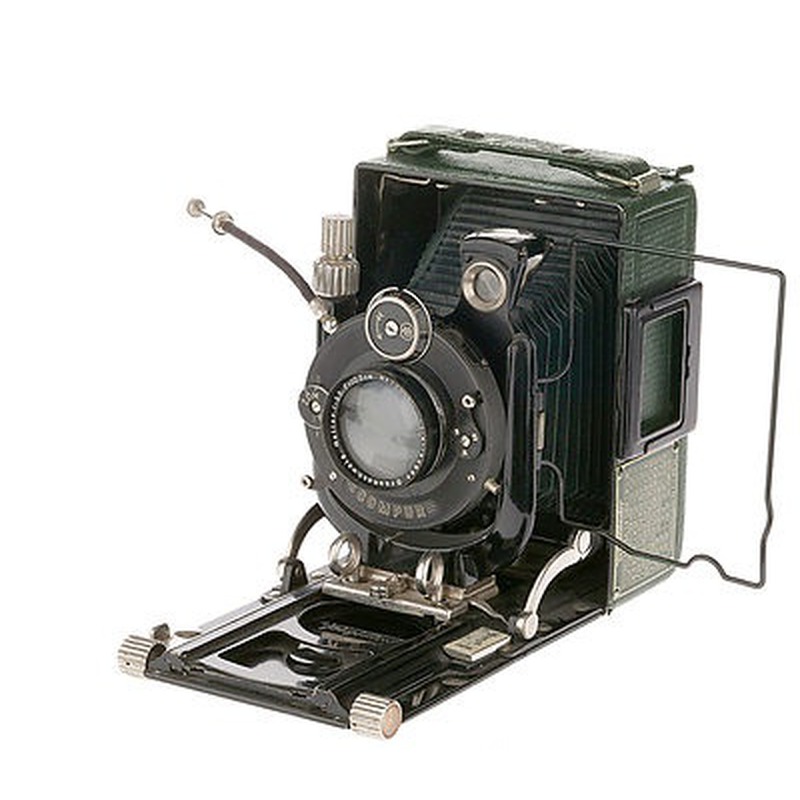
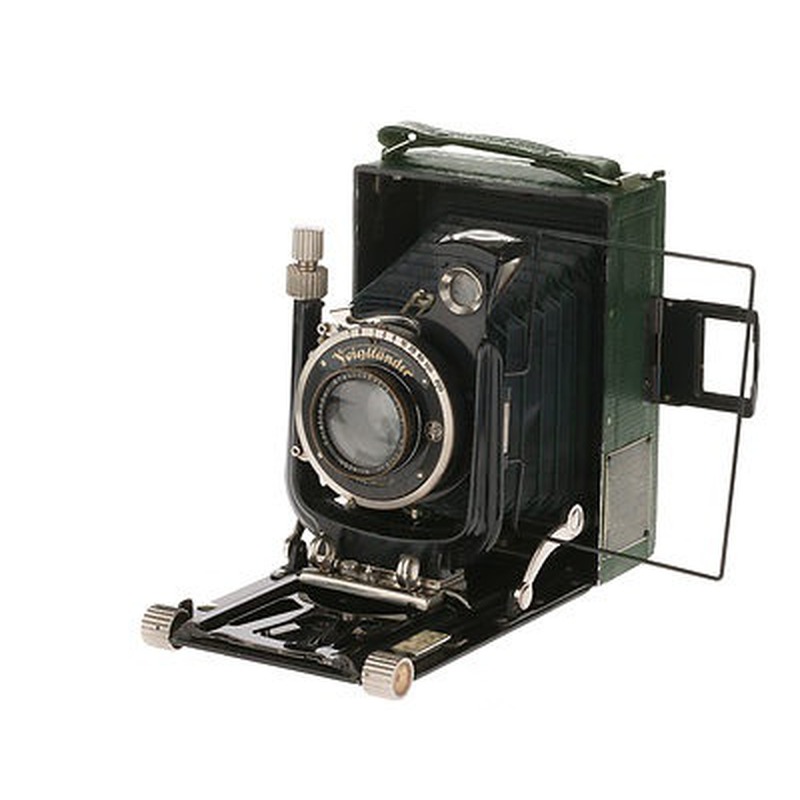
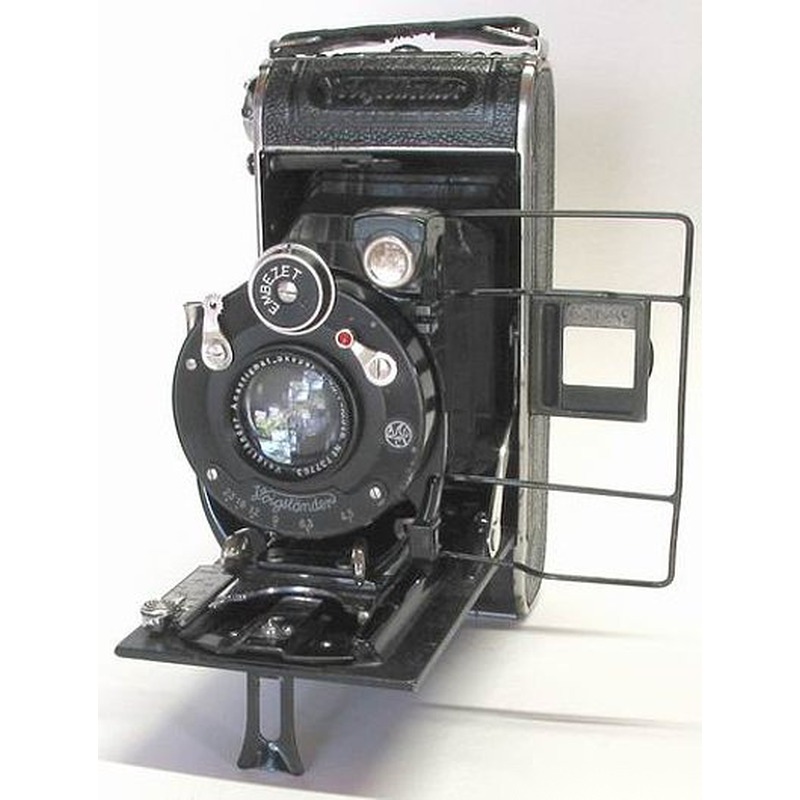
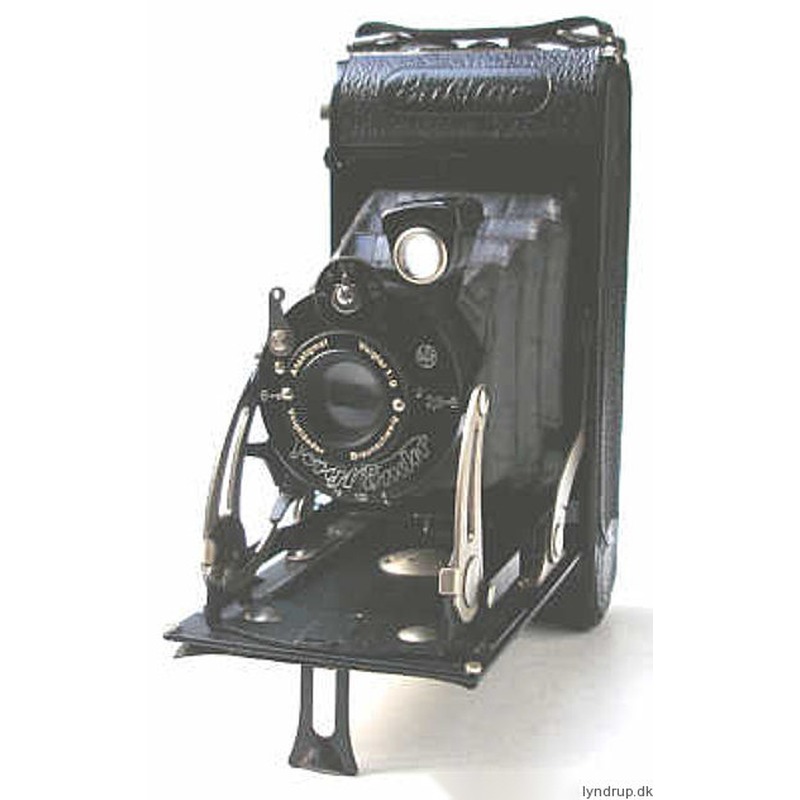
Voigtlander Perkeo (3x4, Heliar)
Voigtlander · Germany · 1932 · 135 film
The Voigtländer Perkeo (3x4, Heliar) represents a significant yet niche chapter in early 35mm photography history. Introduced in 1932 alongside Voigtländer's popular Vito series, the Perkeo targeted photographers seeking larger negatives than the standard 24x36mm format offered by cameras like the Leica. Its defining characteristic is the 3x4cm (30x40mm) image format on standard 35mm film, producing a negative significantly larger than Leica's but not reaching medium territory. This format choice aimed to bridge the gap between miniature and medium formats, offering potentially superior image quality for enlargements. The camera was equipped with the highly regarded Voigtländer Heliar lens, a design famed for its sharpness and excellent correction of aberrations, particularly in the corners – a critical feature for the larger format it produced. The Perkeo featured a sturdy metal construction typical of Voigtländer's engineering standards of the era, coupled with a rangefinder focusing system to ensure accurate focus across its usable aperture range. While it gained a reputation among advanced amateur and professional photographers for its image quality and unique format, its production run was relatively short compared to mainstream 35mm cameras, and it remained less ubiquitous than competitors like the Leica II.
As an early alternative format experiment, the Perkeo (3x4, Heliar) holds notable historical significance within Voigtländer's lineup and the broader development of 35mm photography. It demonstrated the potential formats beyond the standard 24x36mm, proving that higher resolution negatives were possible on standard film cassettes. The integration of the excellent Heliar optics solidified Voigtländer's reputation as a lens manufacturer capable of rivaling the best. Its relatively compact size for the larger format made it a practical tool for those prioritizing image quality over extreme portability, though its market was inevitably limited by the dominance and economies of scale of the 24x36mm standard. Today, it remains a sought-after piece for collectors of Voigtländer history and early 35mm formats, valued for its unique specifications, excellent optical performance, and place in the pre-war camera landscape.
Specifications
| Film Format | 135 |
/main.jpg)
/main.jpg)
 Enjoy this museum? Support on Ko-fi