Pricing
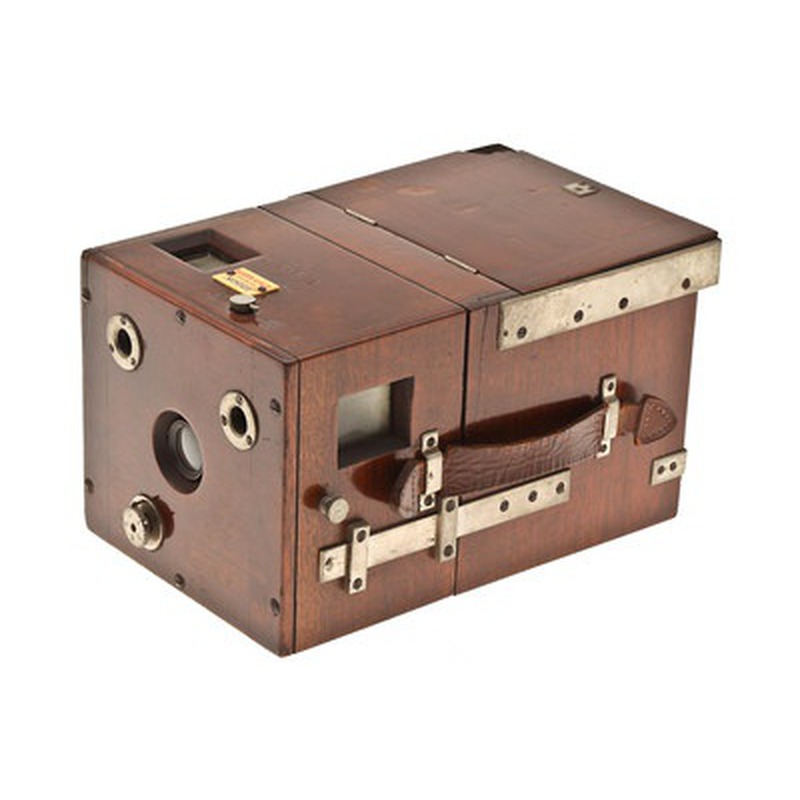
Ernemann Edison
Ernemann · Germany · 1890–1896 (6 years) · 135 film
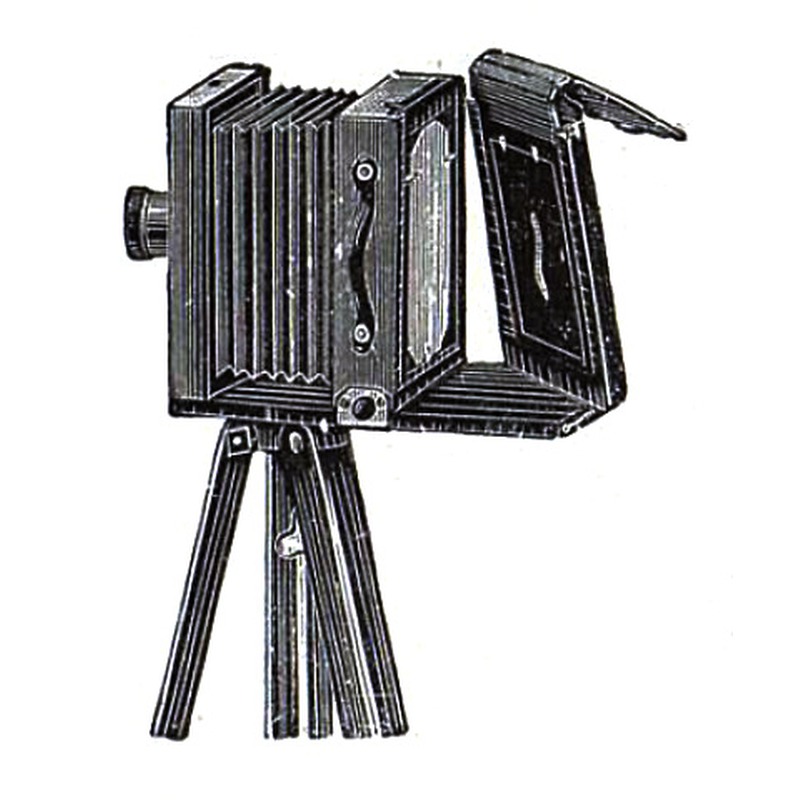
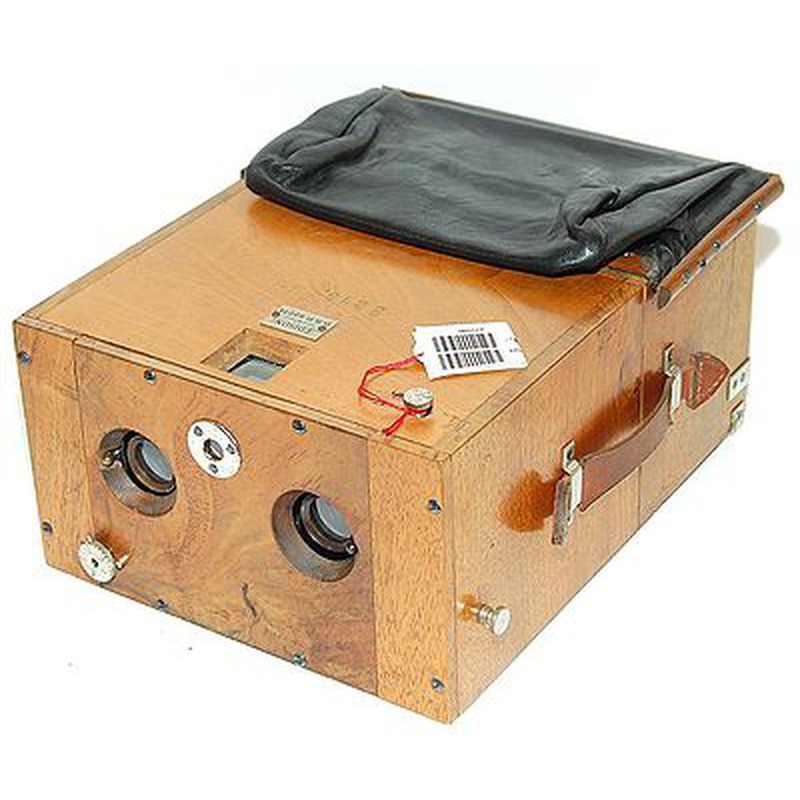
The Edison camera, produced by Ernemann between 1890 and 1896, represents a fascinating piece of photographic history as one of the earliest purported examples of utilizing what would eventually become standardized as the 135 format (35mm film). Ernemann, founded in 1889 by Carl August Heinrich Ernst Ernemann in Dresden, Germany, was a significant optical manufacturer during a transformative period in photography. The Edison likely embodied Ernemann's commitment to innovation, potentially offering photographers a more compact alternative to the cumbersome cameras of the era that typically used glass plates or larger roll films. Though its exact design and features remain unknown, this camera may have represented an early attempt at miniaturization, anticipating the eventual dominance of 35mm film in the 20th century.
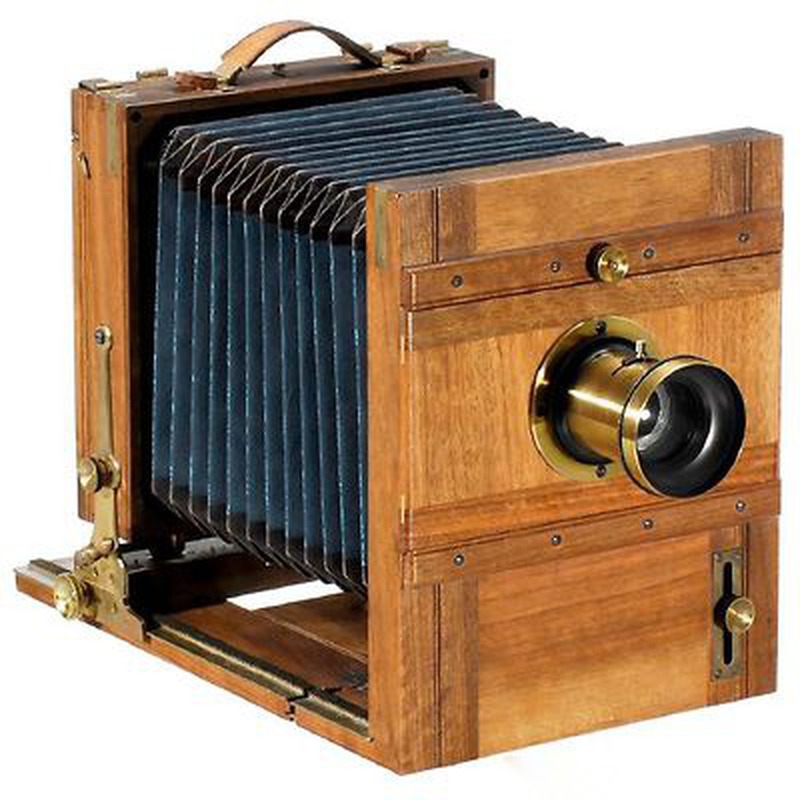
The Edison's production period coincides with a crucial transition in photography when manufacturers were experimenting with various film formats to balance image quality with portability. Ernemann was already known for producing quality photographic equipment, including the popular "Ernema" folding plate cameras, but the Edison appears to represent a more experimental approach. If it truly utilized 35mm film before its standardization in 1934, it would demonstrate remarkable foresight by the German manufacturer. However, verification of this claim is challenging given the historical development timeline of photographic formats, which typically places 35mm still photography introduction decades later.
Specifications
| Film Format | 135 |
 Enjoy this museum? Support on Ko-fi