Pricing
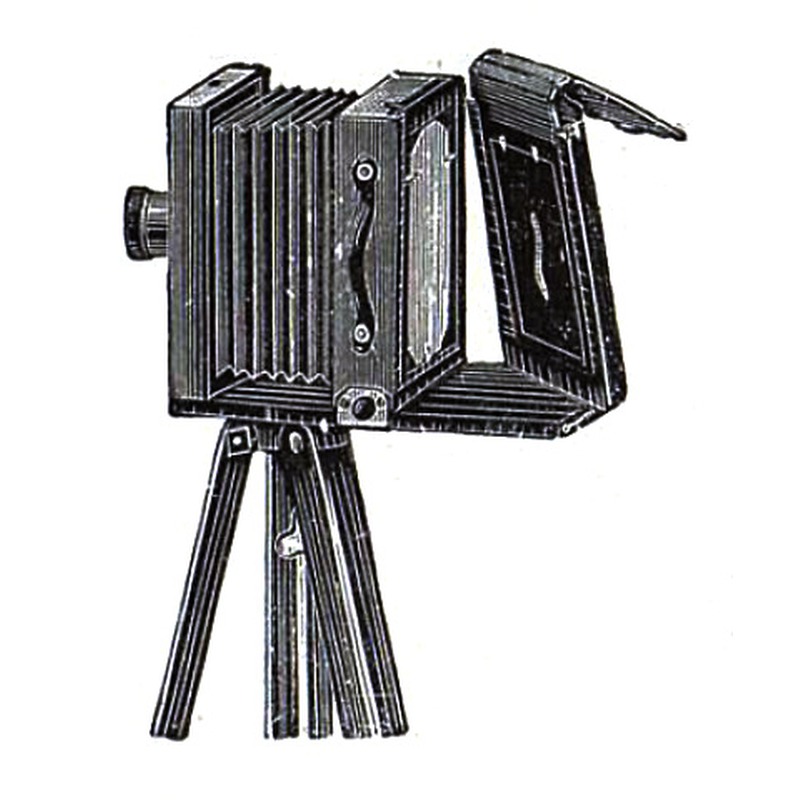
Ernemann Alex
Ernemann · Germany · 1893–1907 (14 years) · 135 film
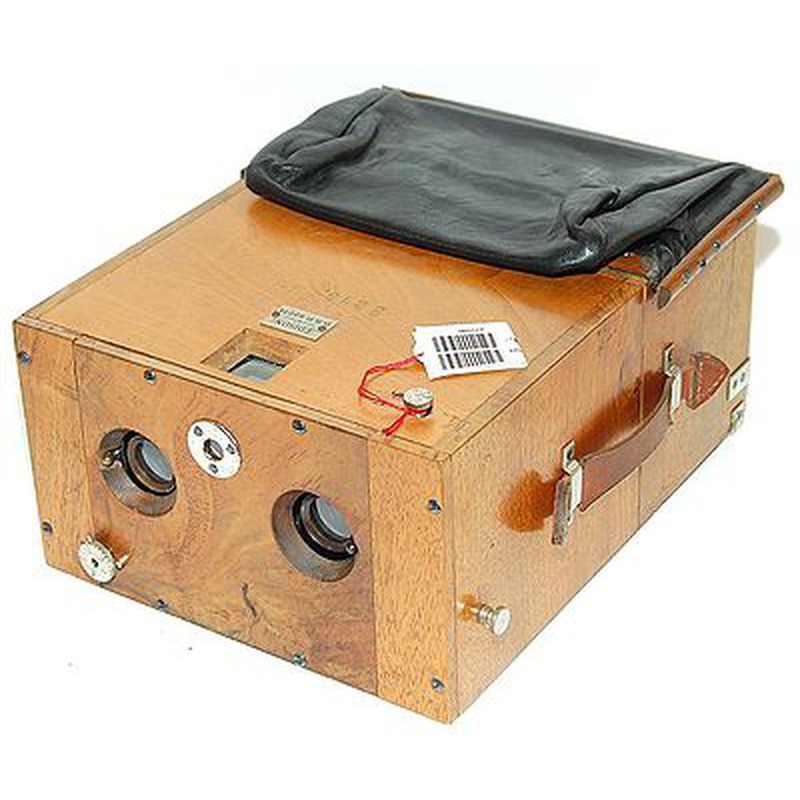
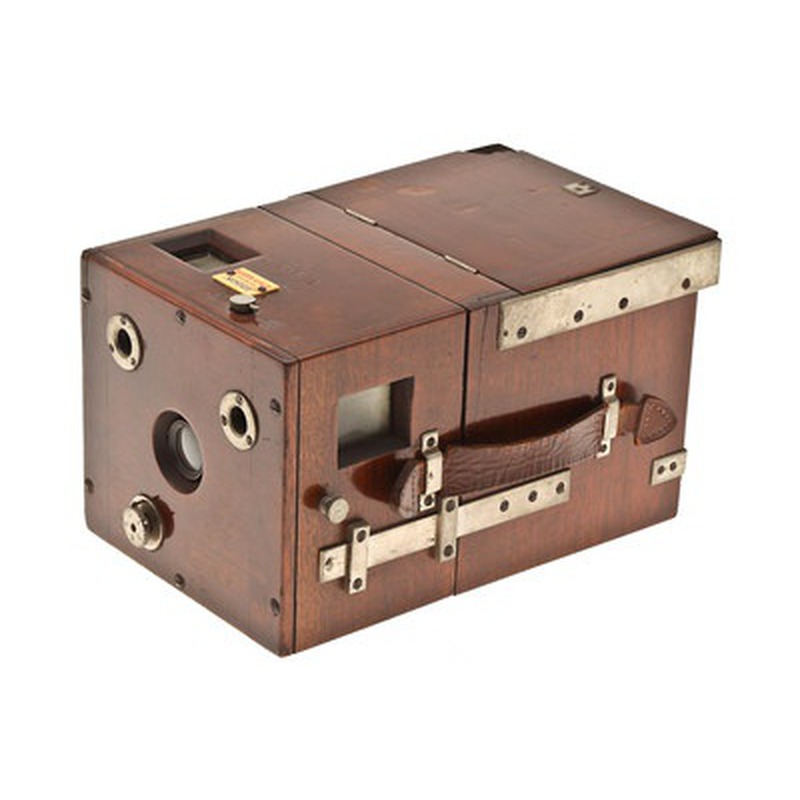
The Ernemann Alex occupies a pivotal position in the evolution of compact photography, marking an early and significant leap towards the miniature format that would eventually dominate the industry. Produced by the Dresden-based company Ernemann between 1893 and 1907, the Alex predates the iconic Leica by over two decades, demonstrating Ernemann's foresight in recognizing the potential for small-format cameras using 35mm film. Its introduction occurred during a period when cameras were predominantly large and cumbersome, relying on glass plates or bulky roll films. The Alex's adoption of the 135 format – likely utilizing perforated, unperforated, or single-slit 35mm motion picture film – was a daring technical choice for still photography at the time, directly challenging the prevailing norms of image size and portability. Ernemann, renowned for its high-quality optics and innovative engineering, applied its expertise to create a camera system designed for smaller negatives, hinting at the future of amateur and candid photography.
While specific technical innovations beyond the format choice are undocumented without further research, the Alex represents a crucial engineering transition for Ernemann. Its production spanned 14 years, suggesting a successful and adaptable design that may have undergone subtle refinements. The shift from plate cameras to roll film or film cassettes within this timeframe indicates a company actively navigating the complexities of film handling in a compact body. Its construction, typical of high-end German cameras of the era, would have utilized durable materials like finely polished hardwood (often mahogany) combined with metal components, prioritizing precision and longevity over modern plastics. Although specific names of photographers who adopted the Alex are not recorded, its existence and longevity imply a dedicated user base seeking advanced, portable equipment, positioning it as an important, though less heralded, precursor to the 35mm revolution that Leica would later formalize and popularize.
Specifications
| Film Format | 135 |
 Enjoy this museum? Support on Ko-fi