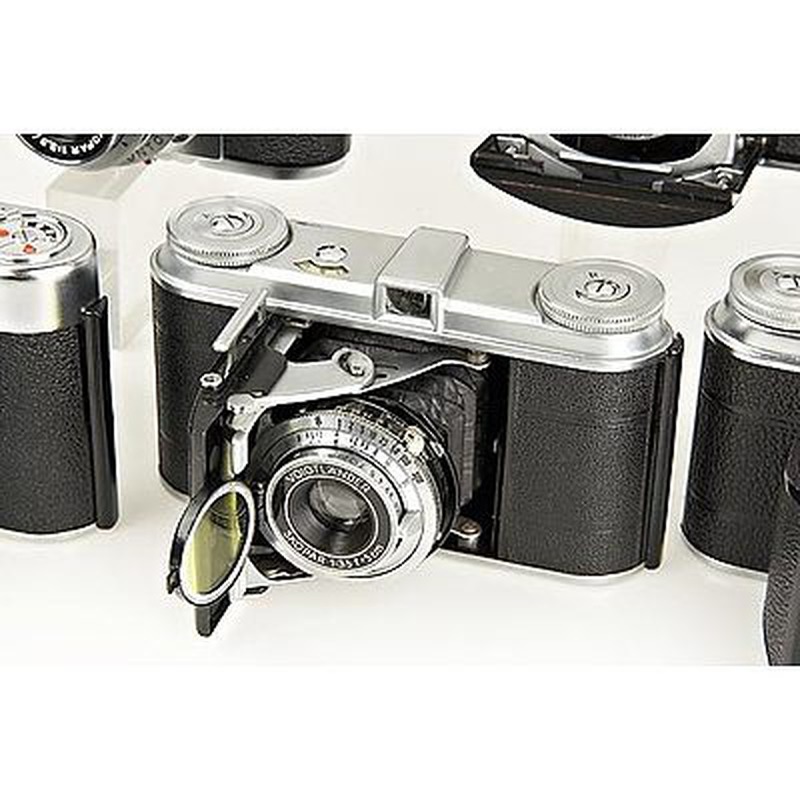
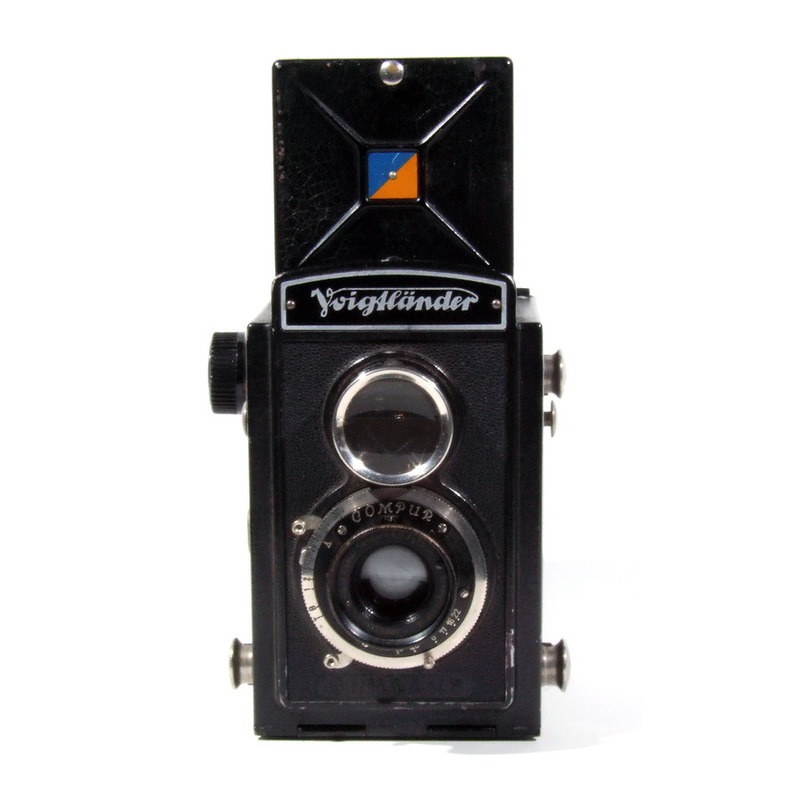
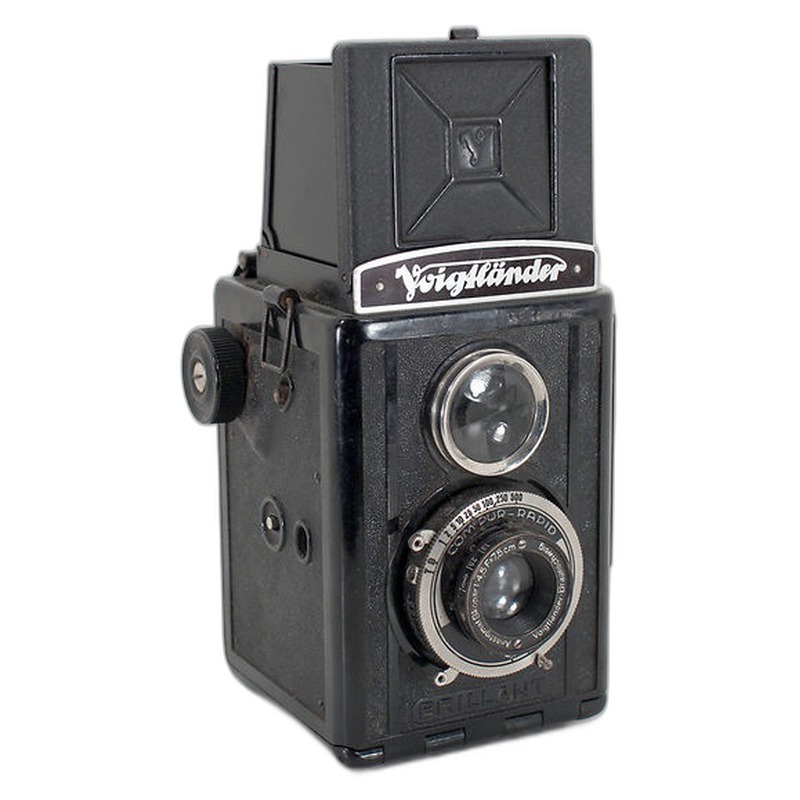
Voigtlander Vito
Voigtlander · Germany · 1940–1949 (9 years) · 135 film
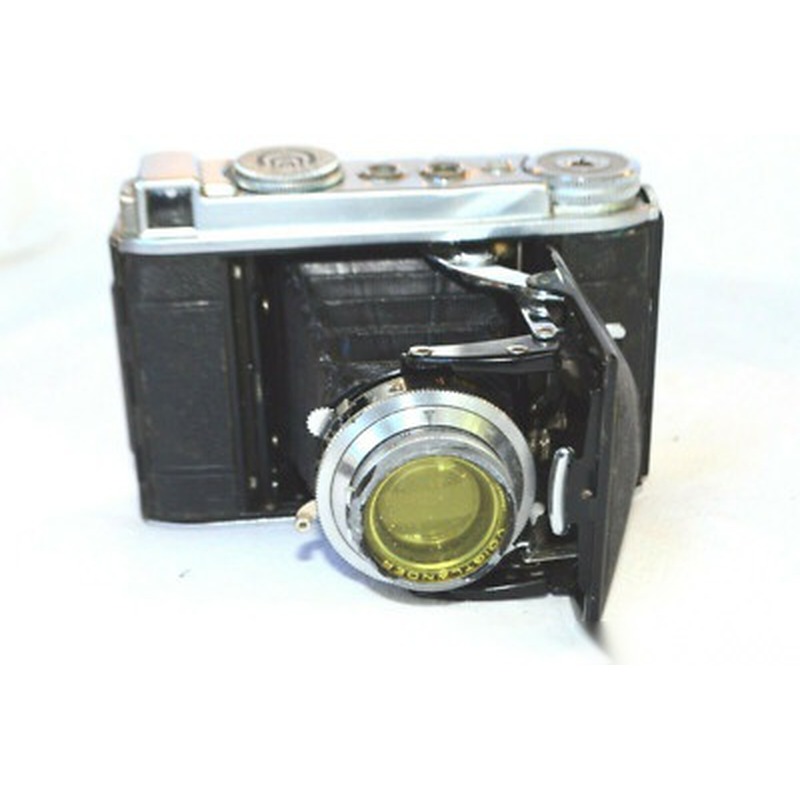
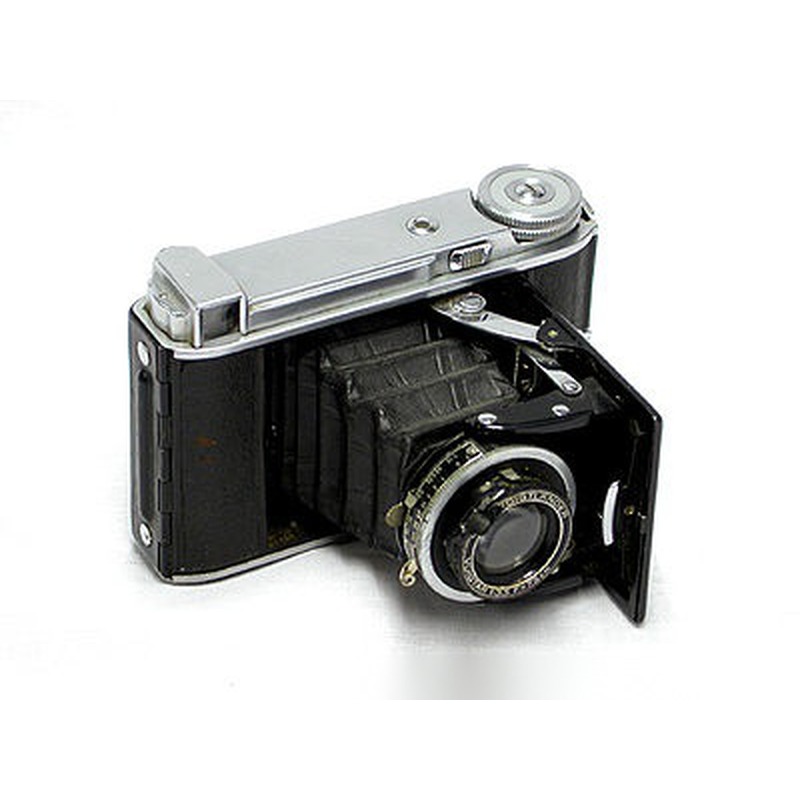
Representing a significant but not groundbreaking contribution from Voigtlander during the tumultuous 1940s, the Vito was a practical 35mm camera aimed at amateur photographers. Produced between 1940 and 1949, its design likely followed contemporary trends for compact, viewfinder-equipped models, offering a straightforward approach to 135 film photography. As a product of a renowned German optical manufacturer established in the 18th century, the Vito maintained a reputation for solid engineering and reliable performance, positioning itself as an accessible yet quality-built option for the consumer market during and after World War II. Its core value lay in delivering consistent results in a portable form factor without the complexity or expense of interchangeable lens systems found in more advanced contemporaries.
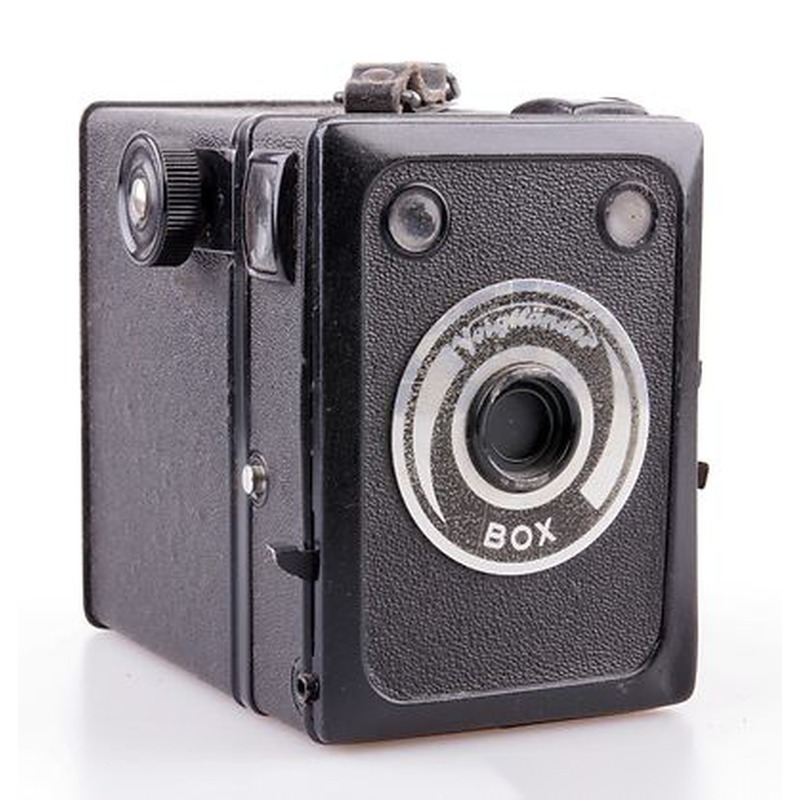
Surviving examples suggest a metal body construction typical of the era, prioritizing durability over extreme lightweight design. While likely incorporating a basic coupled rangefinder or a simple viewfinder, it provided the essential functionality needed for everyday shooting. The Vito served Voigtlander's purpose of extending its reach into the burgeoning 35mm segment, offering a dependable camera for those seeking an alternative to both higher-end precision instruments and simpler box cameras. Its production period coincided with immense global disruption, yet it maintained a presence as a practical tool for recording personal life during that challenging decade.
Specifications
| Film Format | 135 |
/main.jpg)
 Enjoy this museum? Support on Ko-fi