Pricing
Leica 250 Reporter
Leica · Germany · 135 film
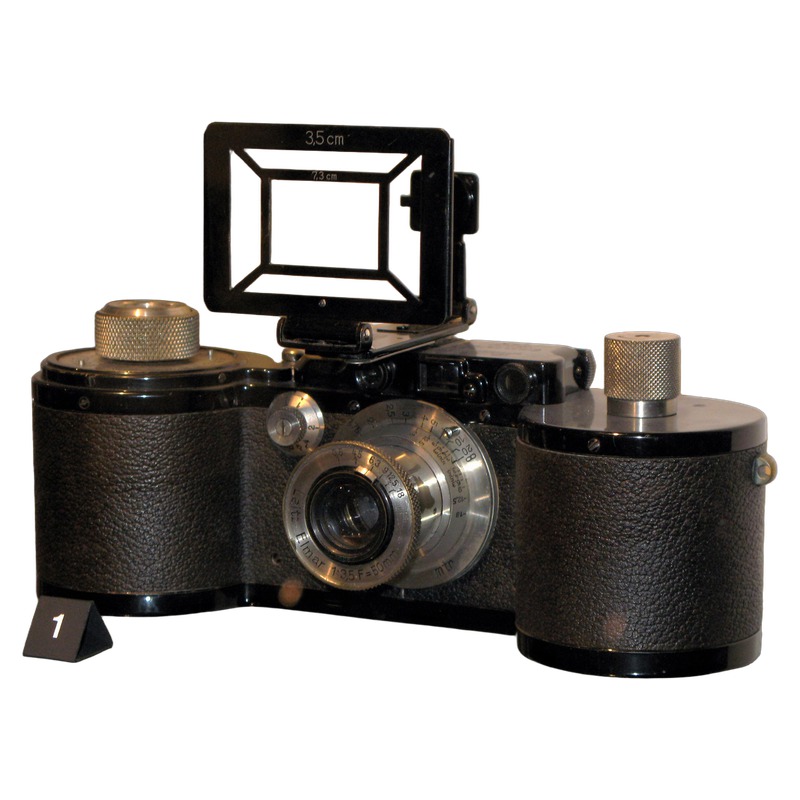
The Leica 250 Reporter stands as a remarkable specialized variant in Leica's storied rangefinder lineup, developed to address the unique needs of press photographers during the mid-20th century. Building upon the foundation of the Leica III series, this camera incorporated an innovative built-in motor drive that enabled continuous shooting at a time when manual film advancement remained the norm. Its most distinctive feature was the capacity to accommodate a 250-exposure roll of film—a substantial increase over the standard 36-exposure capacity typical of 35mm cameras of the era. This high-capability design allowed photojournalists to extensively document events without the interruption of frequent film changes, making it particularly valuable for fast-paced assignments where moments couldn't be recreated.
Technologically, the Leica 250 Reporter maintained compatibility with Leica's renowned screw mount lens system, ensuring photographers could leverage the full range of available optics. The motor drive, operated by a clockwork mechanism rather than electricity, enabled sequential shooting at approximately two frames per second—a remarkable capability for a 35mm rangefinder camera that preceded widespread motor drive adoption in SLR designs. The camera utilized specialized cassettes and a modified film path to handle the longer 250-exposure rolls, which required careful loading and unloading procedures. While precise production dates are uncertain, the 250 Reporter was manufactured in limited quantities, positioning it as a specialized professional tool rather than a mass-market product.
The Leica 250 Reporter emerged during the golden age of photojournalism, a period when magazines like Life were establishing photographic storytelling as a powerful medium in media. While documentation of specific prominent photographers who regularly used this model is limited, its design clearly targeted professionals covering dynamic events from sports to political upheavals. The camera's legacy lies in its role as an early example of specialized equipment developed for specific photographic applications, representing a significant step toward higher-speed capabilities in portable cameras. Its combination of rapid shooting, exceptional build quality, and extended film capacity made it a valuable tool for photojournalists who needed to capture sequences of action without interruption.
Specifications
| Type | Rangefinder |
| Film Format | 135 |
| Lens / Mount | Leica screw mount |
/main.jpg)
/main.jpg)
/main.jpg)
 Enjoy this museum? Support on Ko-fi