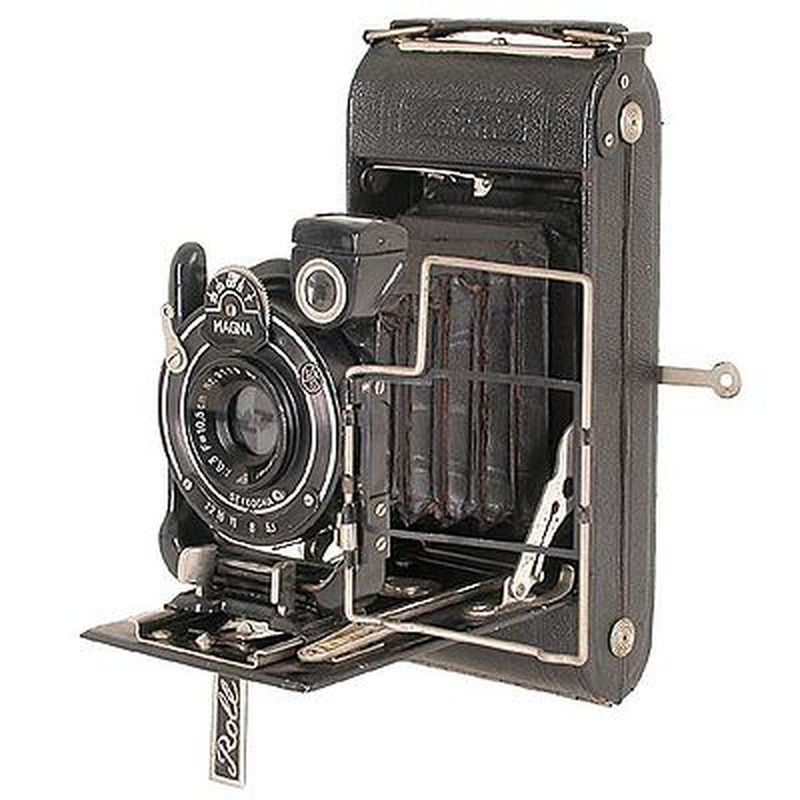
Petri First Roll
Petri · Japan · 1933 · 135 film
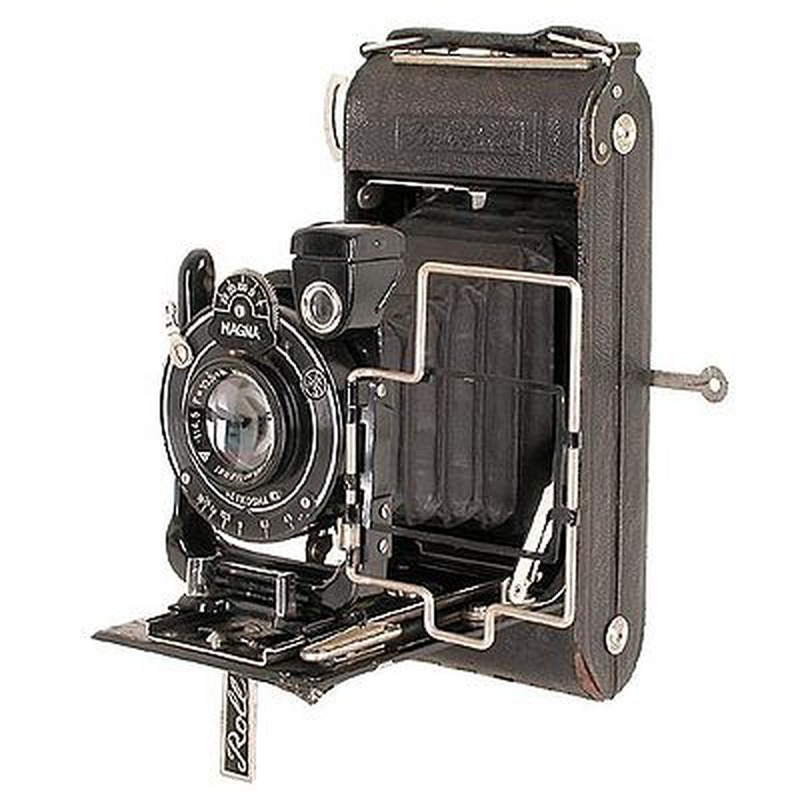
The Petri First Roll represents an early and ambitious venture into the burgeoning 35mm still camera market by Japanese manufacturer Petri. Introduced in 1933, just a few years after the revolutionary Leica I established the 135 format, the First Roll utilized this same standard film cassette system, positioning Petri alongside other early adopters aiming to popularize miniature photography. Characteristic of its era, it likely featured a simple, utilitarian metal body design typical of early 35mm cameras, prioritizing function over elaborate aesthetics. As one of Japan's contributions to the emerging 35mm landscape, it demonstrates the rapid international spread of this new format beyond its European origins. Its significance lies primarily in its role as an early example of a Japanese-produced 35mm camera, showcasing the country's entry into a market soon dominated by innovative designs.
While the specific features of the First Roll are not detailed in available records, it presumably offered a basic rangefinder or viewfinder system for focusing and included a modest shutter speed range typical of the period. Its introduction in 1933 placed it alongside other foundational 35mm models, contributing to the standardization and accessibility of small-format photography before the influx of more advanced post-war designs. It stands as a historically important, though not revolutionary, artifact documenting the formative years of 35mm photography in Japan and globally, representing a practical solution for amateur photographers embracing the new miniature format.
Specifications
| Film Format | 135 |
/main.jpg)
/main.jpg)
 Enjoy this museum? Support on Ko-fi