/main.jpg)
Leica MA4A (microphotography)
Leica · Germany · 1890 · 135 film
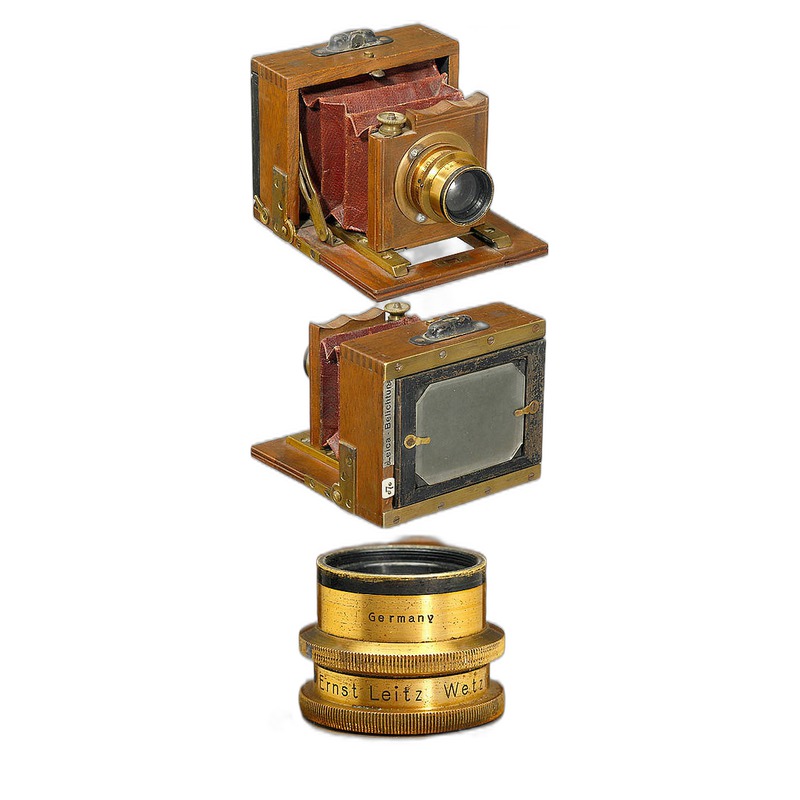
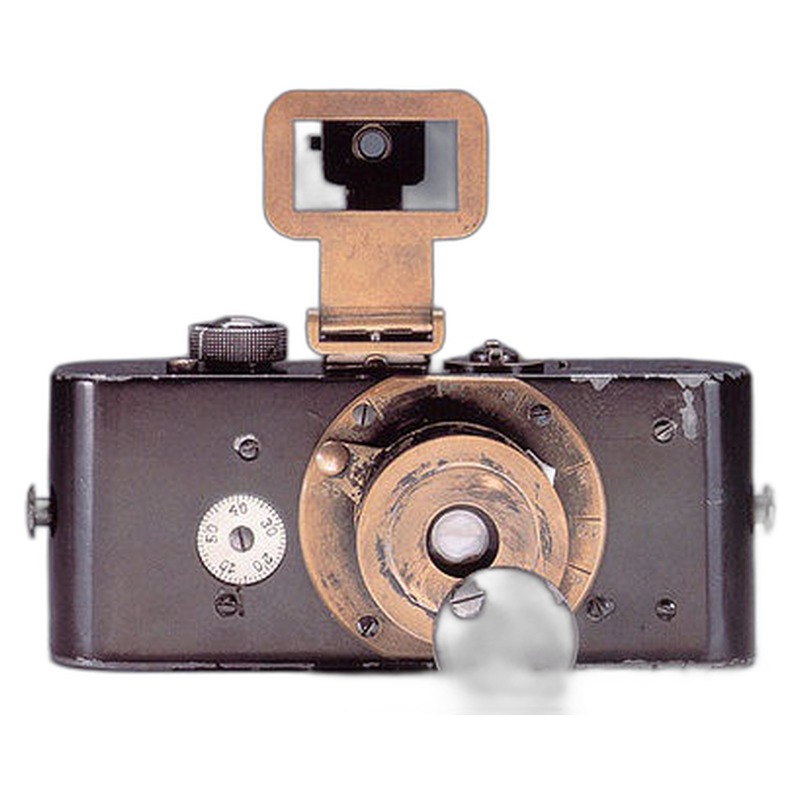
The MA4A (microphotography) by Leica, introduced in 1890, represents an intriguing intersection of early microphotography technology and what would later become the 35mm format. While Leica would not officially be founded until 1914, this camera appears to document the company's earlier experimental roots in compact photography. The designation "microphotography" suggests that this model was specifically designed for creating and photographing microscopic images, a specialized application that required precision optics and a compact design to capture small subjects with clarity. The camera's use of what would eventually become the 135 format film is remarkable, predating the standardization of this format by decades.
From a technical perspective, the MA4A demonstrates Leica's early commitment to innovation in miniature photography. By utilizing a format that would become iconic in the 20th century, the camera appears to have been ahead of its time, possibly influencing later developments in 35mm photography. Though specific details about its construction and features are not documented, the camera's specialization in microphotography suggests it featured a high-quality lens system capable of exceptional magnification and resolution. This focus on scientific applications rather than general photography indicates Leica's early identification of niche markets where compact precision instruments would be valued.
Specifications
| Film Format | 135 |
 Enjoy this museum? Support on Ko-fi