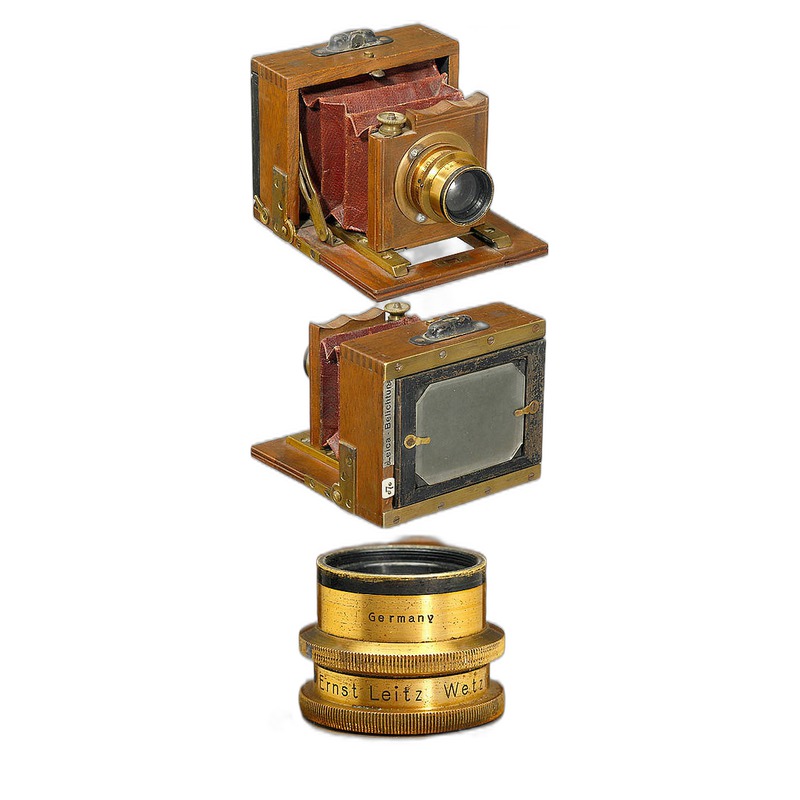
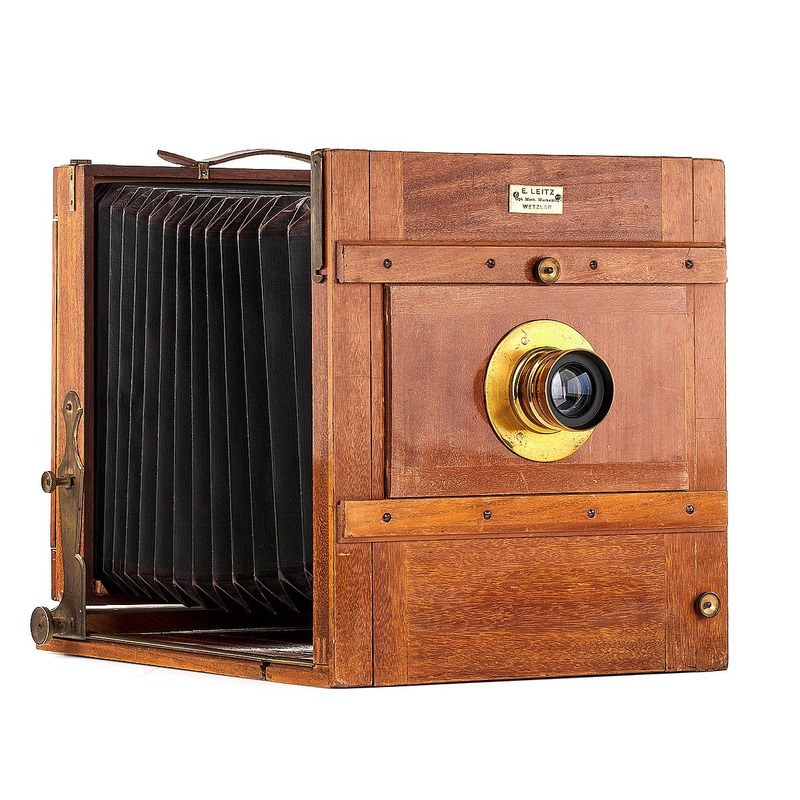
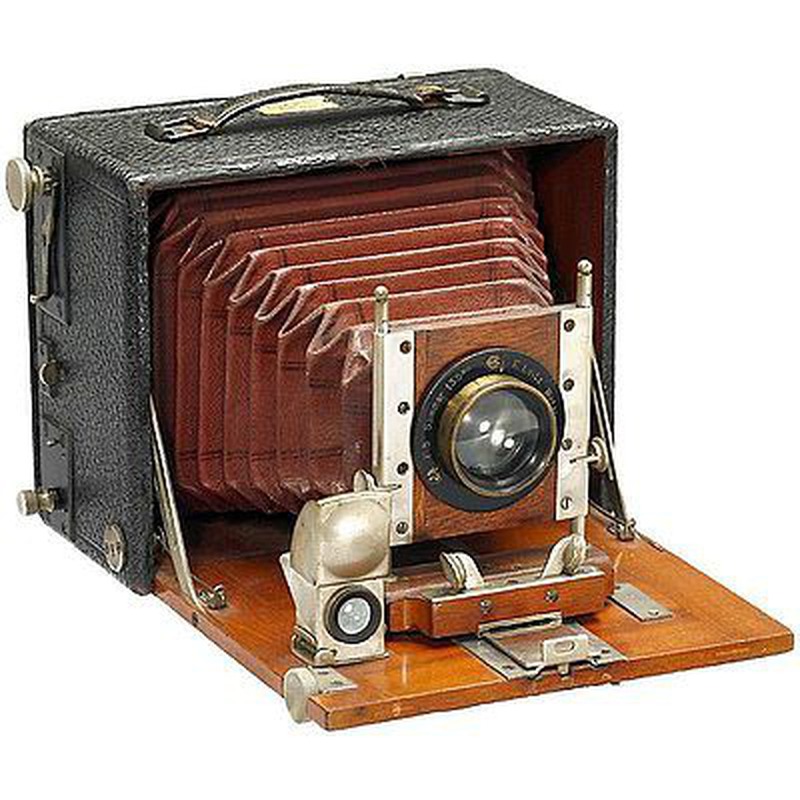
Leica Field Camera No.7
Leica · Germany · 1910 · 135 film
The Field Camera No.7 represents Leica's significant early foray into the 35mm format, introduced in 1910. While predating the iconic Leica I by over a decade, this model established a foundation for portable 35mm photography. Its design prioritized compactness and portability compared to large format cameras of the era, utilizing the 135 (35mm) film cassette system, which later became the industry standard. Construction likely utilized durable materials such as brass and leather over a metal chassis, reflecting Leica's early engineering focus on robustness for field use. The camera's name, "Field Camera," clearly indicates its intended purpose: practical, handheld photography outside the studio, making it a notable step towards the modern 35mm system camera concept. However, its specific features, shutter system, and viewfinder details remain undocumented within the provided context.
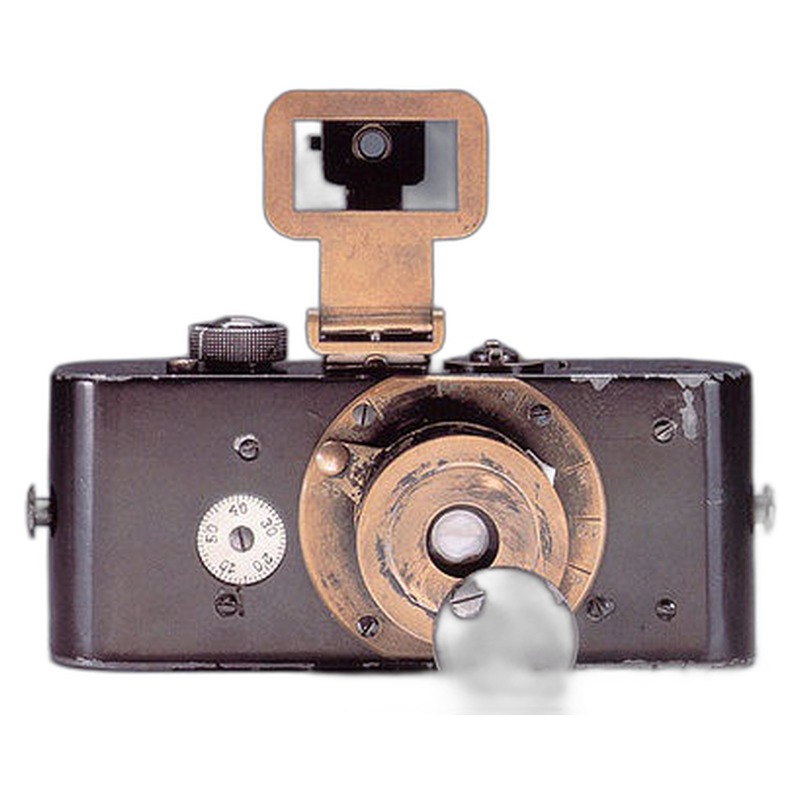
This camera occupies an important position in the pre-history of Leica and the 35mm format. Its introduction in 1910 places it at the dawn of small-format photography, predating Oskar Barnack's definitive Leica I work. While not as historically transformative as the Leica I, the Field Camera No.7 demonstrates Leica's early recognition of the potential of 135 film for portable cameras. Its existence highlights the experimental period leading to the 1925 breakthrough, underscoring a critical phase in the evolution of photographic equipment towards greater accessibility and mobility for photographers.
Specifications
| Film Format | 135 |
/main.jpg)
 Enjoy this museum? Support on Ko-fi