Pricing
Goerz Reporter
Goerz · Germany · 1880–1889 (9 years) · 135 film
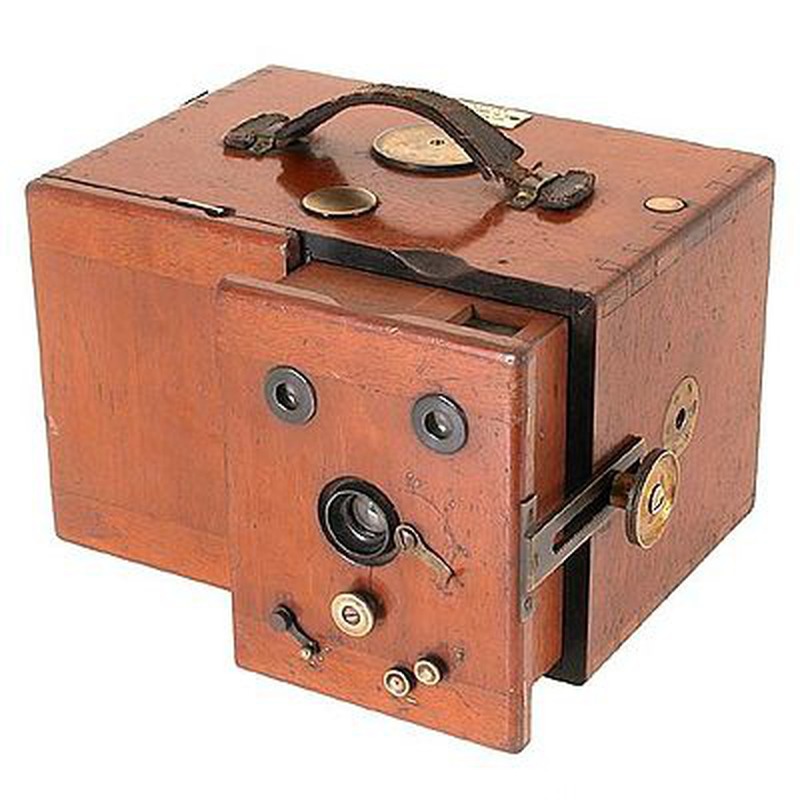
Produced between 1880 and 1889, the Reporter by Goerz stands as a profoundly significant, albeit enigmatic, milestone in photographic history. Its paramount importance lies in its pioneering use of the 135 format (35mm film), predating the iconic Leica by over three decades. During an era dominated by cumbersome large-format cameras, the Reporter embodies Goerz's experimental spirit and forward-thinking engineering, exploring the radical miniaturization of photographic equipment long before 35mm film became the standard for still photography. While specific design details remain lost, the company's renowned precision and the period's standards suggest a robust construction of brass and wood, meticulously hand-finished with leather accents, reflecting the high quality of German optical manufacturing.
The Reporter's legacy rests firmly on its conceptual importance as a bridge between past and future. It represents a critical, early attempt to overcome the core technical challenges inherent in utilizing narrow film strips for still imaging, particularly concerning film loading, advancement, and exposure mechanics tailored to this diminutive format. Though no documented innovations specific to this model survive, its existence demonstrates Goerz's role in pushing photographic boundaries. Likely adopted by avant-garde photographers seeking unparalleled portability despite the nascent state of the format, the Reporter ultimately laid crucial groundwork. It symbolizes the engineering groundwork that enabled the subsequent handheld camera revolution, cementing Goerz's influential role in photography's evolution towards greater accessibility and mobility, even if its makers didn't fully grasp the future it helped herald.
Specifications
| Film Format | 135 |
/main.jpg)
/main.jpg)
/main.jpg)
/main.jpg)
 Enjoy this museum? Support on Ko-fi