/main.jpg)
Pricing
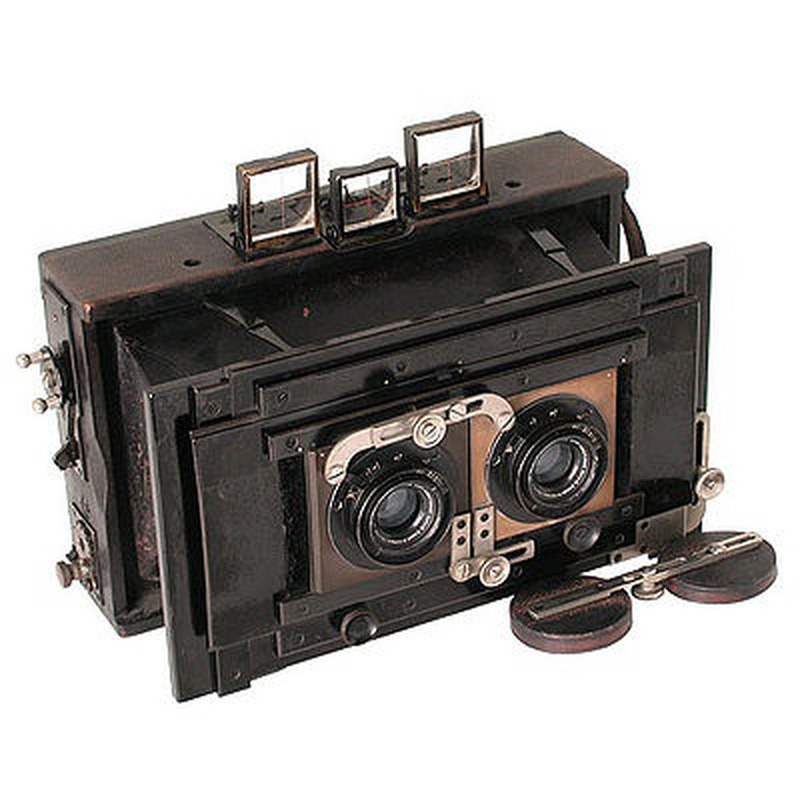
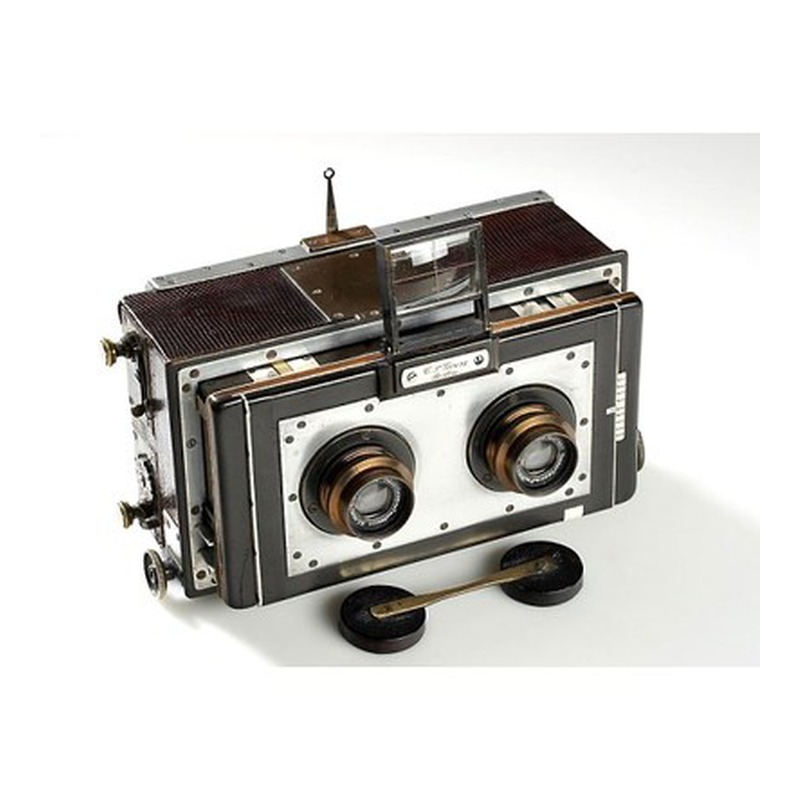
Goerz Reisekamera (Field Camera)
Goerz · Germany · 1897–1920 (23 years) · 135 film
The Goerz Reisekamera (Field Camera) stands as a significant, though often overlooked, early example of the 35mm format. Produced by the esteemed German optics firm Goerz between 1897 and 1920, this camera represented a portable alternative to larger, cumbersome plate cameras of the era. While its specific design details are less documented than some contemporaries, it was likely a rigid field camera typical of the period, featuring a collapsible bellows design and a focusing mechanism suitable for sheet film or rollfilm holders adapted for the 135 cassette. Its production over such an extended span indicates it held a practical role for photographers requiring a compact, yet technically capable camera, predating the mass popularity of miniature cameras like the Leica.
Although not achieving the iconic status of later milestones, the Reisekamera holds importance as an early commercial attempt to miniaturize photography into a truly portable 35mm system. Goerz, known for high-quality lenses like the Dagor, applied its optical expertise to this format, suggesting the camera offered good image quality for its time. Its existence during this crucial transitional period highlights the experimentation with smaller formats before the Leica Model I revolutionized the industry. It represents a tangible piece of the evolution towards modern 35mm photography, filling the niche for professionals needing mobility without sacrificing image size.
Specifications
| Film Format | 135 |
/main.jpg)
/main.jpg)
/main.jpg)
 Enjoy this museum? Support on Ko-fi