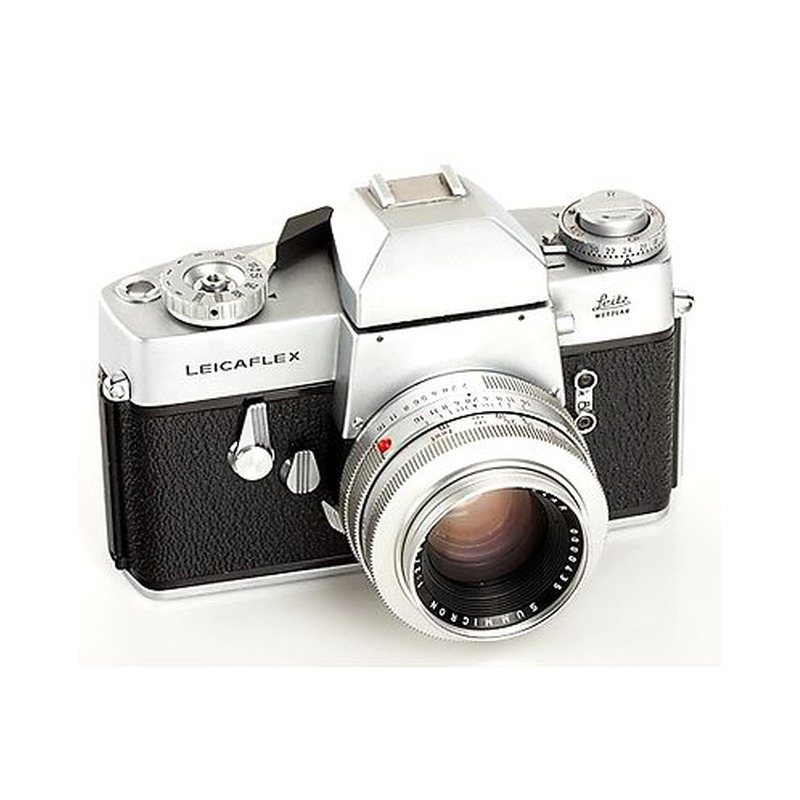
Leicaflex Prototype
Leica · Germany · 1966 · 135 film
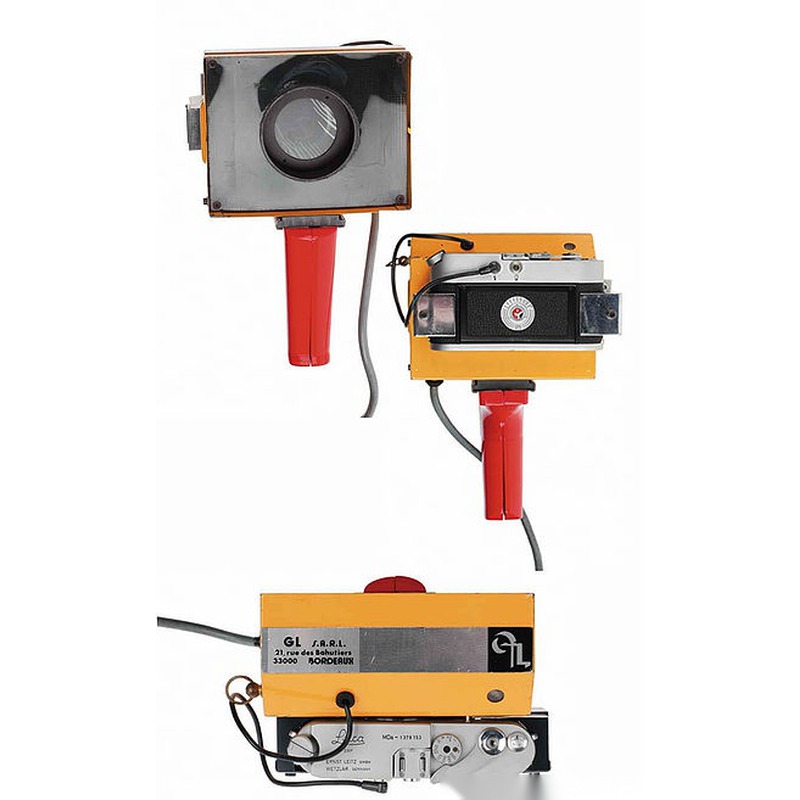
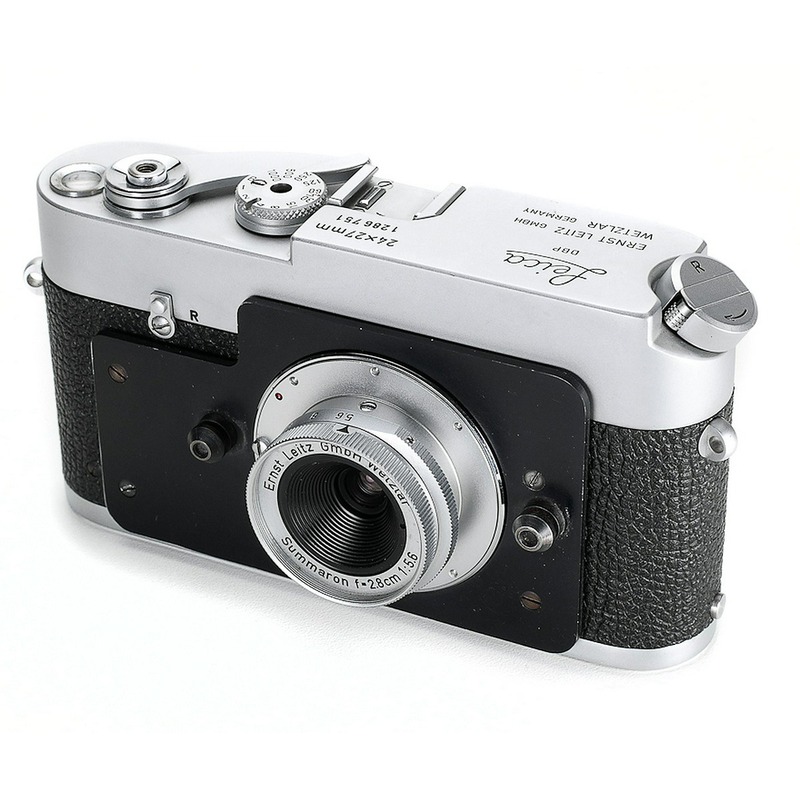
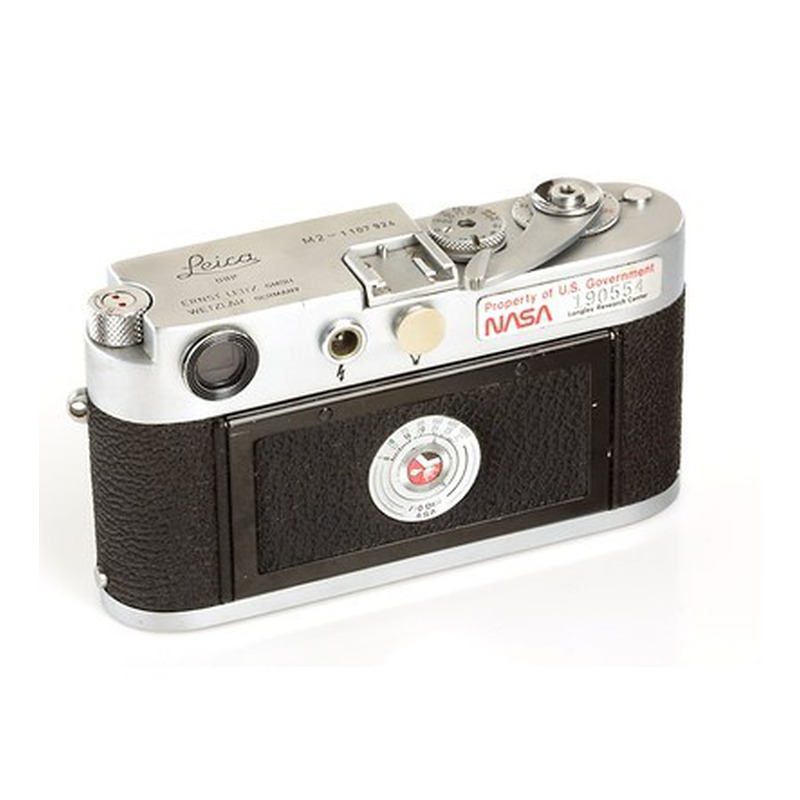
Introduced in 1966, the Leicaflex Prototype represents Leica's pivotal, albeit early, step into the single-lens reflex (SLR) market. Developed as a testbed for what would become the Leicaflex series (launched in 1964, with this prototype likely reflecting late-stage pre-production refinement), it embodied Leica's renowned engineering principles applied to a new camera format. Constructed with meticulous attention to detail typical of Leica, the prototype featured a robust metal body and focused on establishing the core mechanics and ergonomics of their first SLR system. Its significance lies primarily in its role as a developmental artifact, showcasing the transition of Leica from its dominant rangefinder lineage to the SLR realm. While not a production model available to the public at the time, this prototype provided critical feedback for engineers and designers, directly influencing the Leicaflex cameras that followed and marking a significant, if complex, moment in Leica's history as they adapted to changing photographic trends and technological demands.
As a prototype, the Leicaflex Prototype possesses inherent rarity and importance within Leica's development chronology. It serves as a physical link between Leica's rangefinder heritage and their eventual, albeit initially challenging, success in the SLR market. While lacking the innovations or widespread adoption that defined truly iconic models, it stands as a tangible piece of engineering history, demonstrating Leica's commitment to precision and their strategic shift towards the reflex system. Its existence underscores the iterative nature of camera development, offering insight into the processes that shaped one of photography's most esteemed brands. For collectors and historians, it represents a fascinating, albeit niche, piece documenting a critical transitional period at Leica.
Specifications
| Film Format | 135 |
 Enjoy this museum? Support on Ko-fi