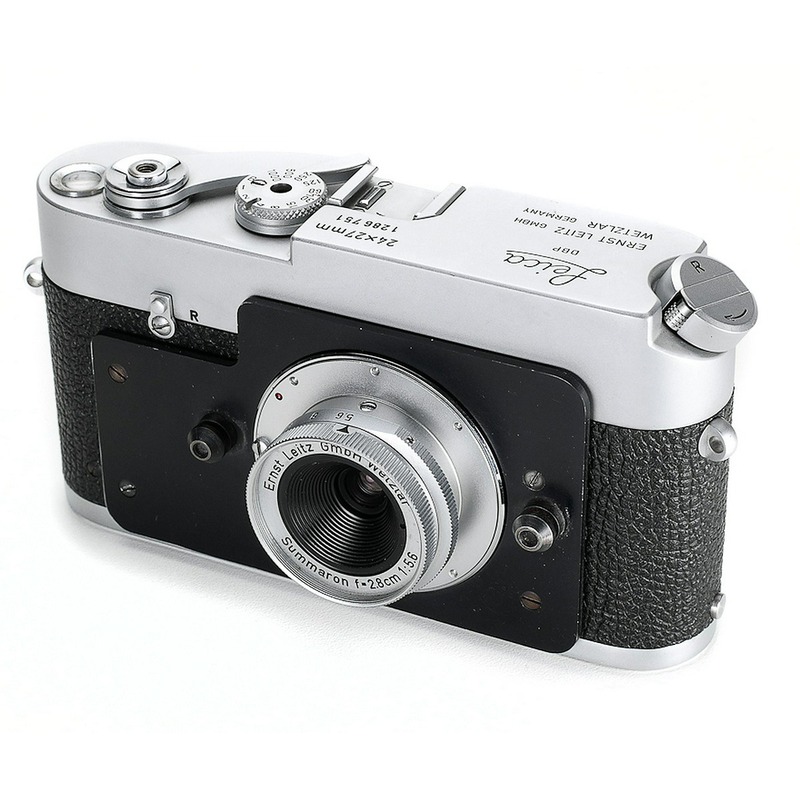
Leica MDa Post 24x27
Leica · Germany · 1966–1975 (9 years) · 135 film
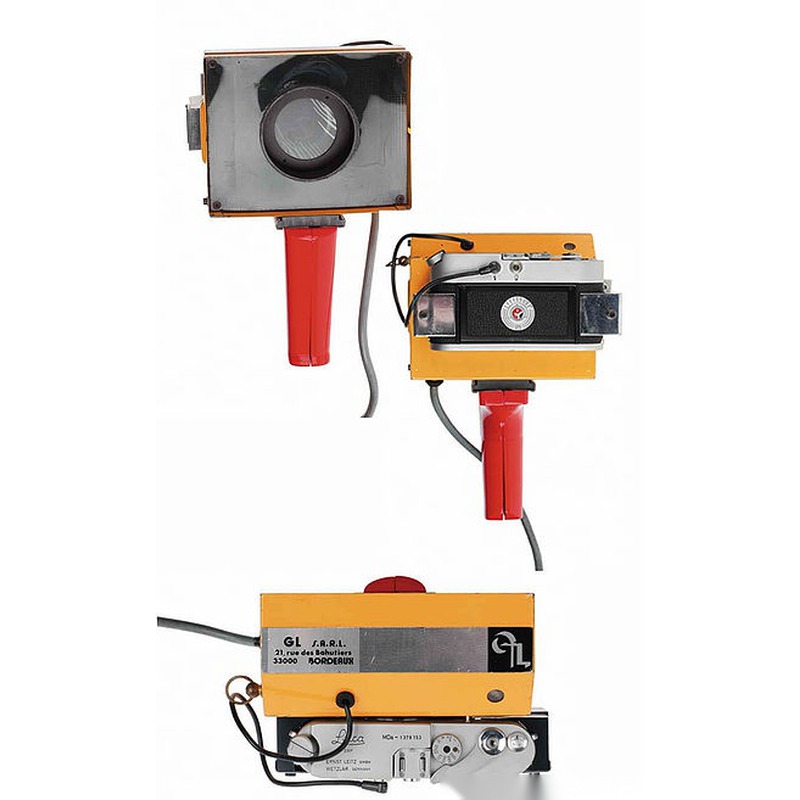
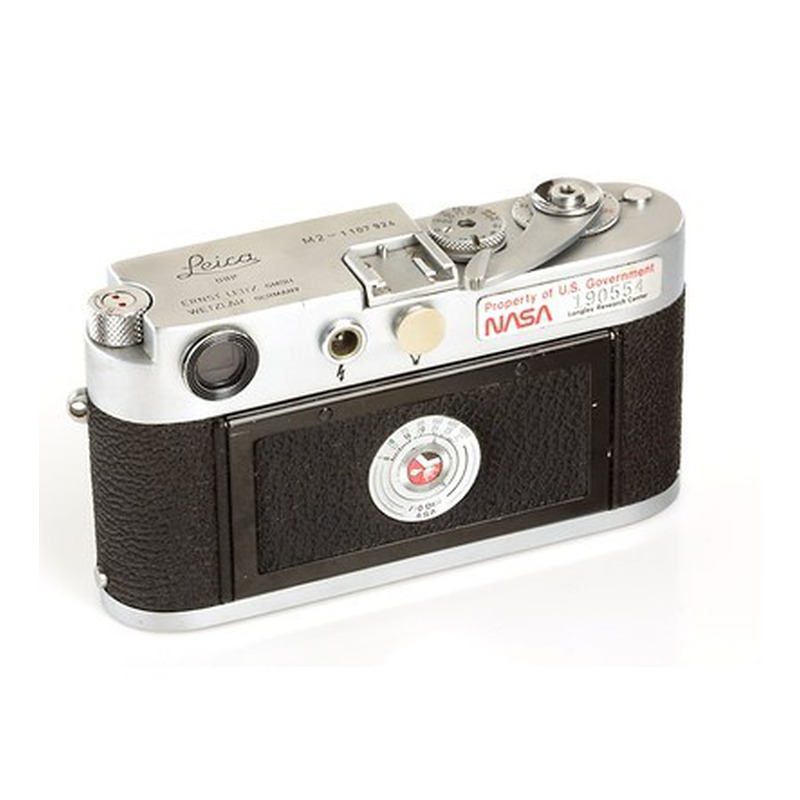
The MDa Post 24x27 occupies a distinctive niche within Leica's illustrious M-system lineup produced between 1966 and 1975. It represents a specialized derivative, likely designed for specific institutional or governmental applications, evidenced by its unique 24x27mm image format—a departure from the standard 24x36mm of 135 film. This variant retained the core robustness and precision engineering characteristic of Leica rangefinders, featuring the M-bayonet lens mount and the reliable coupled rangefinder focusing system. While sharing the M-series' renowned build quality and craftsmanship, the MDa Post was deliberately simplified. It lacked a built-in light meter, a common feature on contemporary consumer models like the M4, focusing instead on pure mechanical reliability and essential functionality. Its design prioritized durability and straightforward operation for environments where meters or complex controls might be superfluous or detrimental.
The camera served as a utilitarian workhorse, embodying Leica's reputation for precision mechanics in a more streamlined package. Its niche application meant it never achieved the widespread recognition or groundbreaking impact of flagship models like the M3, but it remains a testament to Leica's commitment to quality across its product range. The 24x27 format offered a slightly different aspect ratio compared to standard 35mm, potentially useful for specific framing needs, though it ultimately represented a minor deviation rather than a significant photographic innovation. Its value lies in its place within Leica's history as a robust, no-frills variant designed for durability in demanding professional or institutional contexts, distinct from the consumer-focused M-series bodies of its era.
Specifications
| Film Format | 135 |
 Enjoy this museum? Support on Ko-fi