/main.jpg)
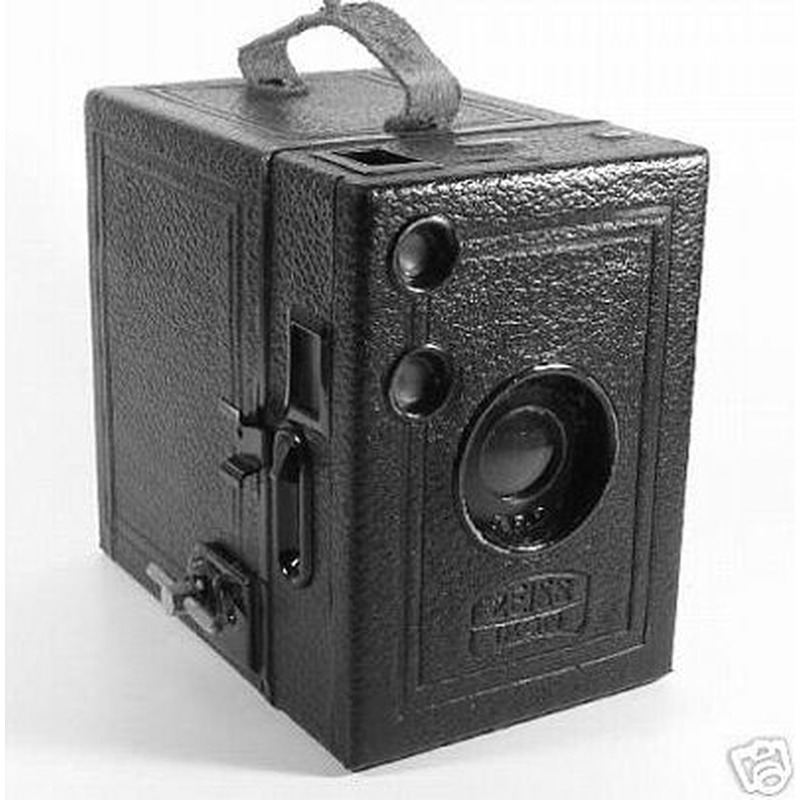
Zeiss Tenax (folding)
Zeiss · Germany · 1927 · 135 film
The Tenax folding camera by Zeiss, introduced in 1927, represents a significant early entry into the burgeoning 35mm still camera market. Sharing the 135 film format pioneered by the Leica I a few years earlier, it embodied Zeiss Ikon's formidable optical expertise in a compact, leather-covered folding body reminiscent of larger medium folding cameras. Utilizing the spring-drive Compur shutter, a hallmark of high-end German engineering of the era, it offered precision timing alongside a choice of high-quality Zeiss Tessar or Triotar lenses. Its design targeted photographers seeking the convenience and image quality of 35mm film within a familiar, portable form factor, positioning Zeiss Ikon as a serious competitor against Leica during the format's formative years. While less ubiquitous than the Leica, the Tenax folding model demonstrated Zeiss's commitment to establishing a foothold in the small-format revolution.
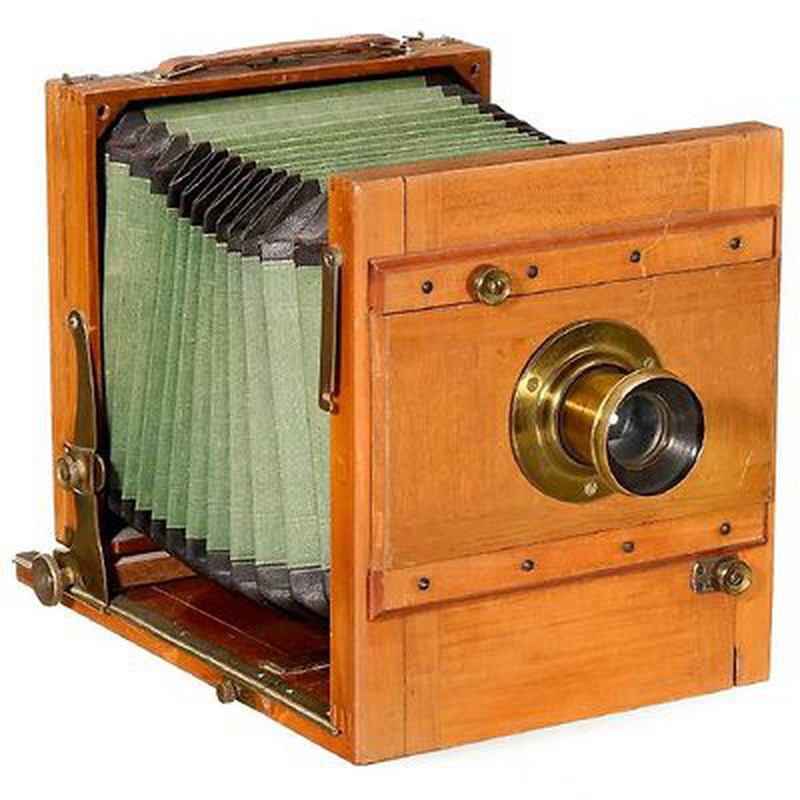
This camera's practical design and construction quality reflected Zeiss Ikon's reputation for robustness and refinement. The folding bellows extended smoothly, and the metal components, coupled with the typically excellent Zeiss lenses, ensured reliable performance and high image quality. It catered to discerning amateur photographers and professionals alike who valued portability without sacrificing the optical prowess associated with the Zeiss name. Its existence underscores the intense competition and rapid innovation that characterized the development of 35mm photography during the late 1920s.
Specifications
| Film Format | 135 |
/main.jpg)
/main.jpg)
/main.jpg)
/main.jpg)
 Enjoy this museum? Support on Ko-fi