/main.jpg)
Zenit Zorki 1 (Type 1a)
Zenit · Russia · 1949–1950 (1 years) · 135 film
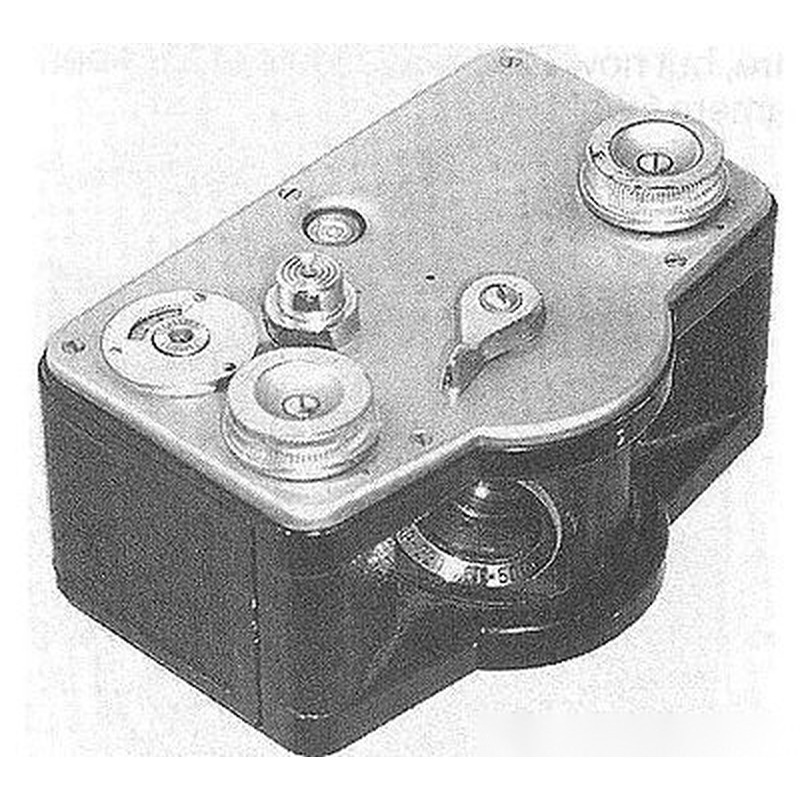
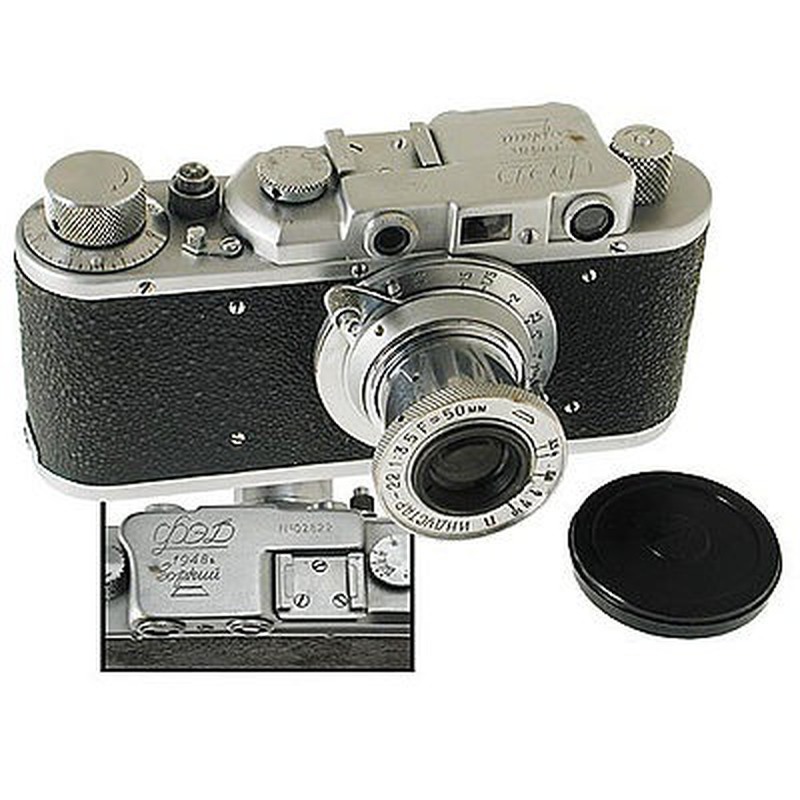
The Zorki 1 (Type 1a) represents a pivotal moment in Soviet photographic history as one of the earliest domestically produced 35mm cameras. Manufactured by Zenit in 1949-1950 shortly after World War II, it emerged from a context of rebuilding and self-sufficiency, aiming to provide affordable 35mm photography to Soviet citizens. The camera is a clear derivative of the pre-war Leica III, sharing its fundamental rangefinder design and compact form factor, constructed largely from steel and aluminum with a fabric focal plane shutter. Its key features include a coupled rangefinder, a top shutter speed of 1/500s, and the standard 39mm Leica thread mount, facilitating the use of both domestic and imported lenses. As a foundational model for the long-running Zorki series, it established the basic architecture that would influence Soviet camera manufacturing for decades, embodying the pragmatic approach of postwar Soviet industry to replicate and adapt successful Western designs for domestic use.
Built as a functional, entry-level camera rather than a precision instrument, the Zorki 1 prioritized accessibility and simplicity over advanced features or luxurious finishing. Its design focuses on delivering core 35mm functionality reliably within the constraints of Soviet manufacturing capabilities at the time. While not technologically innovative by global standards, its significance lies in its role as a gateway to 35mm photography within the Soviet Union, demonstrating the capability of Soviet engineers and factories to enter the small-format market. It holds a place of historical importance within the broader narrative of Soviet photographic equipment development and the widespread adoption of the 35mm format in the mid-20th century.
Specifications
| Film Format | 135 |
/main.jpg)
/main.jpg)
/main.jpg)
/main.jpg)
 Enjoy this museum? Support on Ko-fi