/main.jpg)
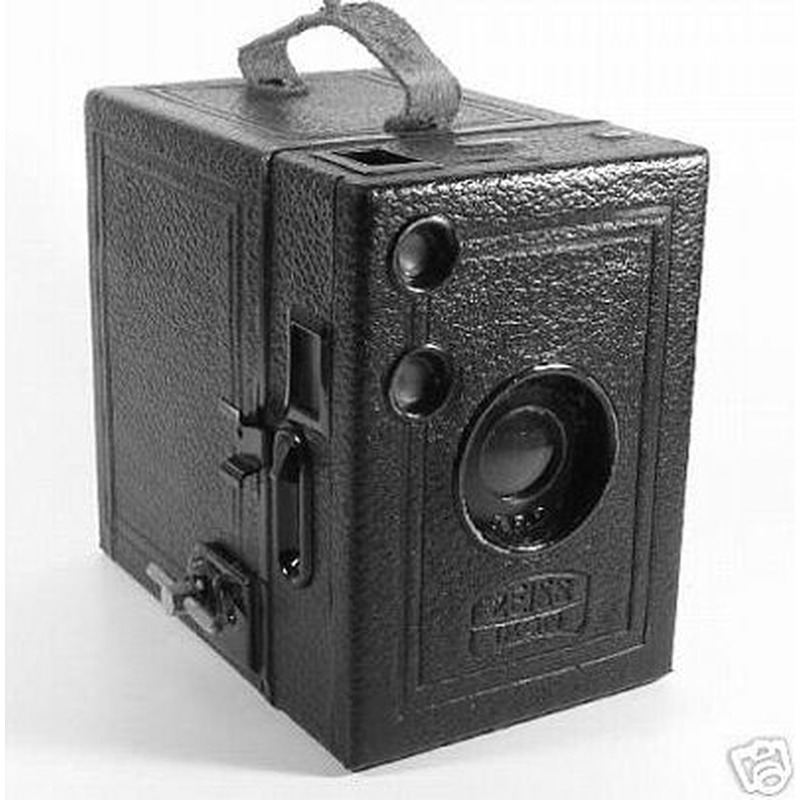
Zeiss Piccolette LUXUS (546/12)
Zeiss · Germany · 1927–1930 (3 years) · 135 film
The Zeiss Piccolette LUXUS (546/12) represents a significant chapter in the early development of the 35mm format, produced by the prestigious German optics firm between 1927 and 1930. As a "Luxus" model, it was positioned towards the higher end of the emerging 35mm market, featuring Zeiss's renowned precision engineering in its construction. While its exact mechanism isn't detailed, it likely shared similarities with contemporary Zeiss Ikon compacts, utilizing a central shutter and offering a coupled rangefinder for accurate focusing. The camera utilized the standard 135 (35mm) perforated film, housed in cassettes, catering to photographers seeking a portable yet high-quality alternative to larger formats. Its release coincided with a period of intense innovation as manufacturers like Leica and Zeiss competed to define the compact 35mm camera standard.
Though it lacks the groundbreaking status of the very first Leica prototypes or the mass appeal of later models, the Piccolette LUXUS demonstrates Zeiss's commitment to establishing itself in the nascent 35mm market during a critical formative decade. Its production run was relatively short (1927-1930), reflecting the rapid pace of development and competition in the field. As a product from one of photography's most respected names, it embodied the mechanical excellence and optical precision expected from Zeiss, serving as a capable and desirable option for serious amateur photographers seeking portability without sacrificing build quality during the late 1920s. It remains an interesting artifact representing Zeiss's early efforts in the format before their more consolidated Ikon brand efforts.
Specifications
| Film Format | 135 |
/main.jpg)
/main.jpg)
/main.jpg)
/main.jpg)
 Enjoy this museum? Support on Ko-fi