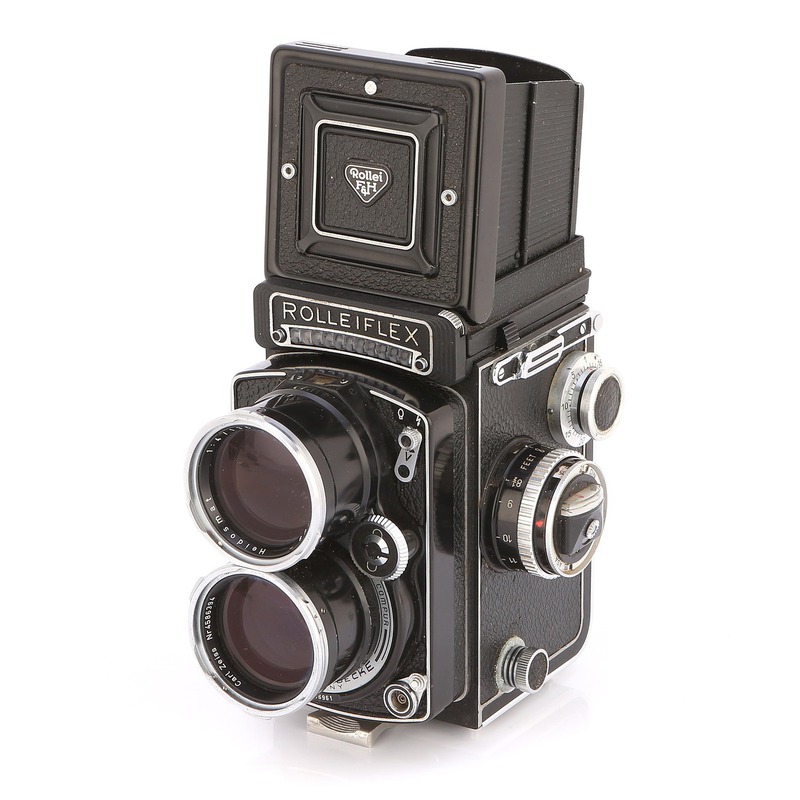
Rollei Tele-rolleiflex
Rollei · Germany · 1959–1975 (16 years) · 120 film
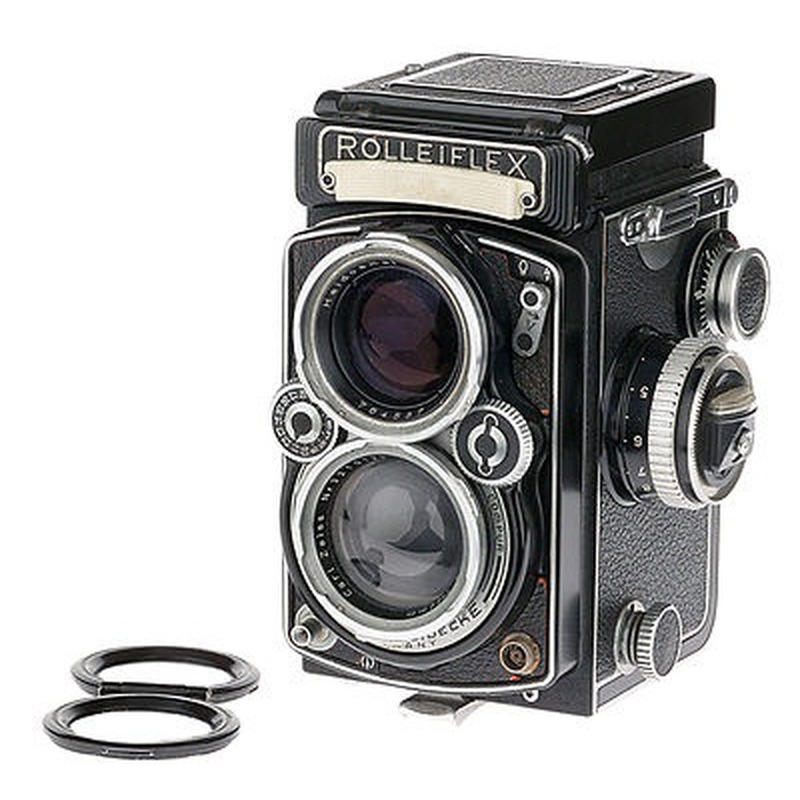
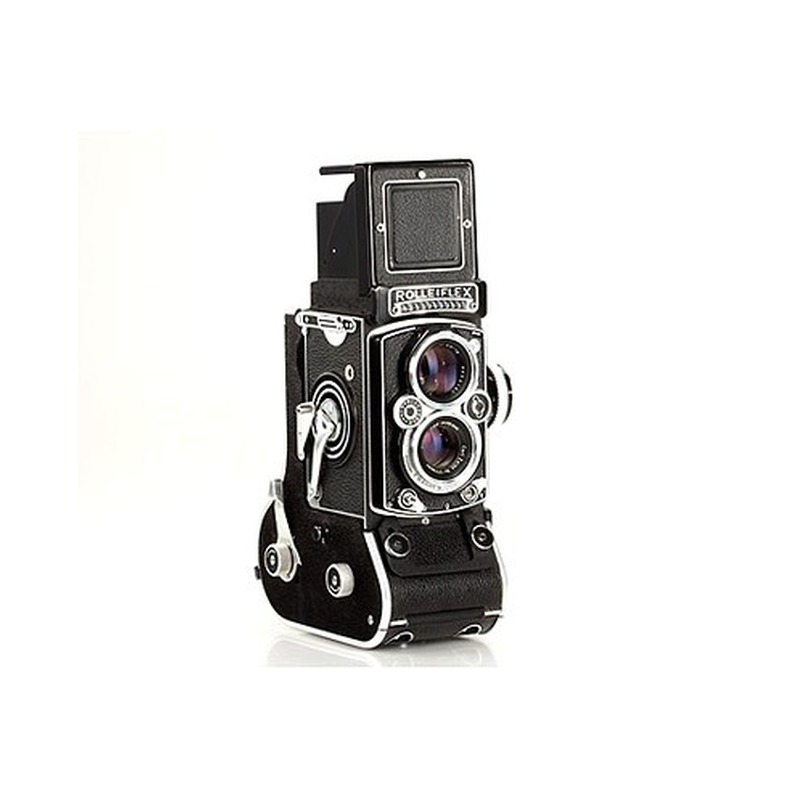
The Tele-rolleiflex, produced by Rollei from 1959 to 1975, represents the apex of the company's iconic twin-lens reflex (TLR) medium format camera line. Unlike the standard Rolleiflex models featuring 75mm or 80mm lenses, the Tele-rolleiflex was distinguished by its fixed 135mm Zeiss Planar lens, making it a specialized camera for portrait photography and tighter compositions. Built upon the robust and beautifully crafted 2.8F or 3.5F chassis, it maintained Rollei's reputation for precision engineering, a brilliant viewing image, and exceptional mechanical quality. This longer focal length provided a natural compression effect and a pleasingly shallow depth of field, prized by discerning photographers for its ability to isolate subjects with a distinctive medium format aesthetic. It filled a specific niche alongside the standard Rolleiflex and the wider-angle Rolleiflex Wide, catering to professionals who desired the portability and waist-level viewfinder advantages of a TLR combined with telephoto capabilities.
As a high-end medium format camera, the Tele-rolleiflex embodied the technical excellence and elegant design associated with Rollei. Its production ran concurrently with other Rolleiflex models, reflecting Rollei's commitment to offering a range of focal lengths within the TLR format. While not achieving the same widespread cultural ubiquity or groundbreaking innovation as some landmark cameras, it holds significant importance within the world of medium format photography as a refined tool for a specific purpose. It represented the culmination of Rollei's TLR development in the telephoto range, appreciated for its superb image quality and reliability by photographers who valued its unique combination of features.
Specifications
| Film Format | 120 |
/main.jpg)
 Enjoy this museum? Support on Ko-fi