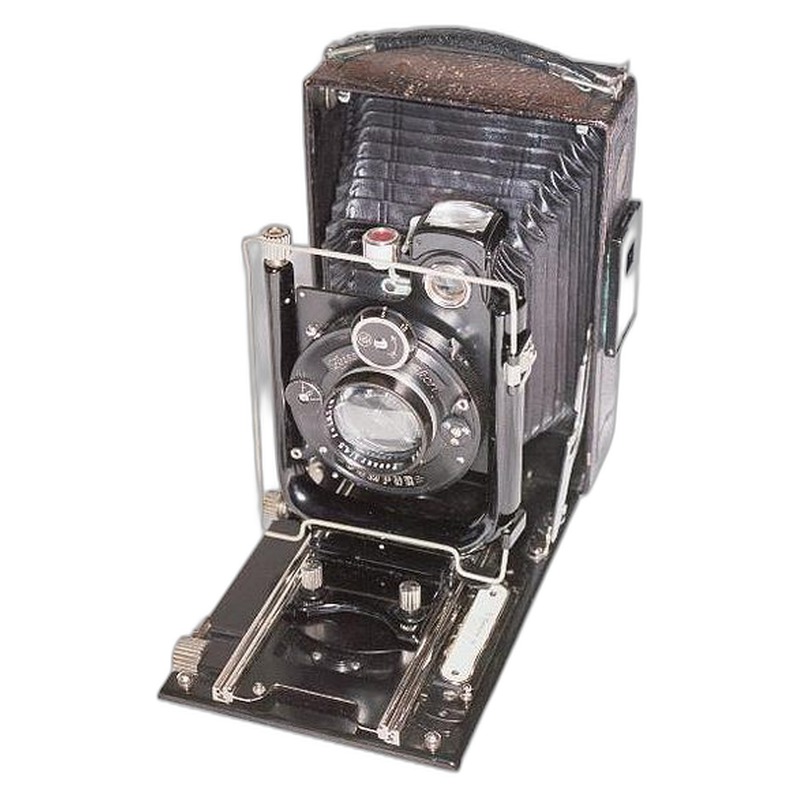
Zeiss Trona 210, 212, 214
Zeiss · Germany · 1927–1936 (9 years) · 135 film
The Zeiss Trona 210, 212, and 214 represent Zeiss Ikon's significant but often overlooked contribution to the burgeoning 35mm camera market during the late 1920s and early 1930s. Produced between 1927 and 1936, these models were part of Zeiss's initial effort to compete directly with the rising popularity of Leica's compact 35mm rangefinders. Designed as practical, viewfinder-equipped cameras rather than sophisticated rangefinders, the Trona series offered a more accessible entry point into small-format photography. Key features included a robust, often metal body with a distinctive collapsible design to minimize bulk when not in use, coupled with a simple, effective finder system. They utilized standard 135 film (35mm) and typically featured fixed or limited lens options, embodying Zeiss's engineering commitment to quality and reliability within a functional, user-friendly package for amateur photographers.
While innovative for their time in bringing Zeiss's optical precision and manufacturing excellence to the 35mm format, the Trona models did not introduce groundbreaking technology or achieve the iconic status of contemporaries like the Leica II or Contax I. Their historical importance lies primarily in solidifying Zeiss Ikon's presence in the nascent 35mm field during a crucial period before the rise of other German and international competitors. They represent a stage in the evolution where 35mm was transitioning from novelty to a viable mainstream format, valued for their solid construction and Zeiss lenses but ultimately overshadowed by more advanced or revolutionary designs that followed.
Specifications
| Film Format | 135 |
/main.jpg)
/main.jpg)
/main.jpg)
/main.jpg)
 Enjoy this museum? Support on Ko-fi