Pricing
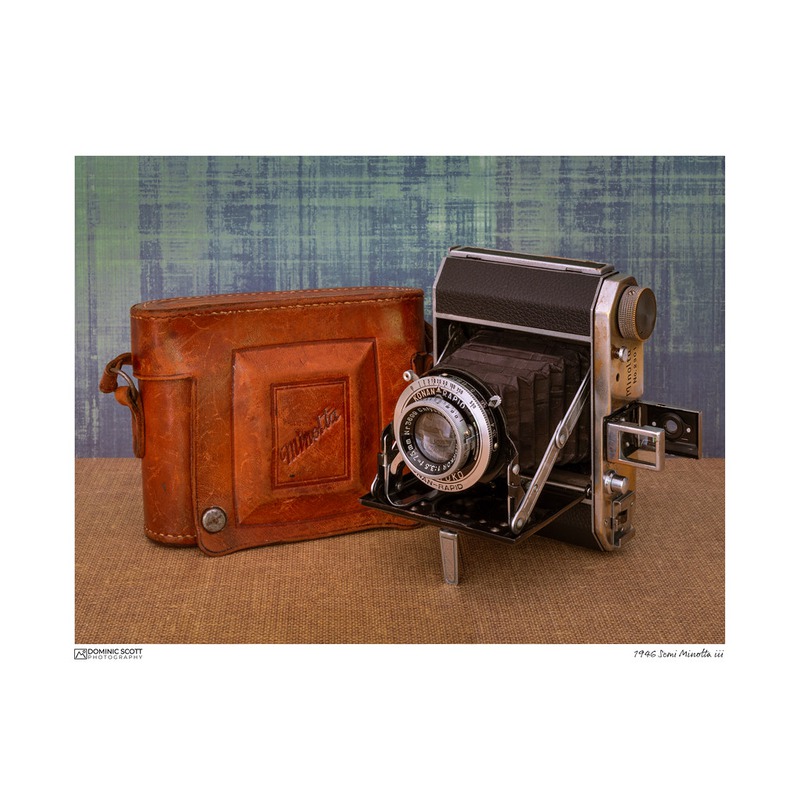
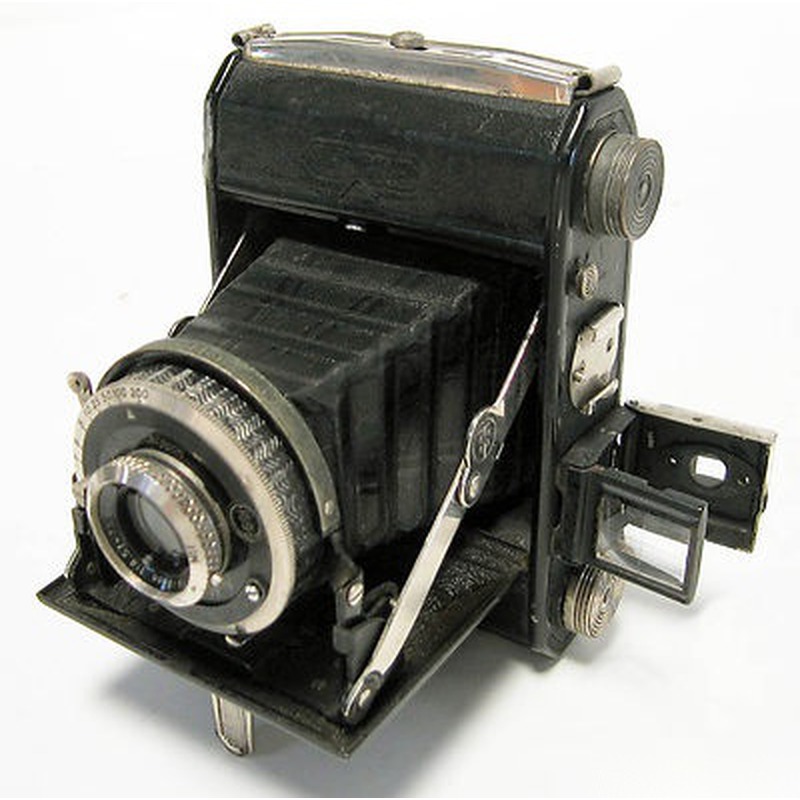
Minolta Semi Minolta Auto
Minolta · Japan · 1937–1943 (6 years) · 135 film
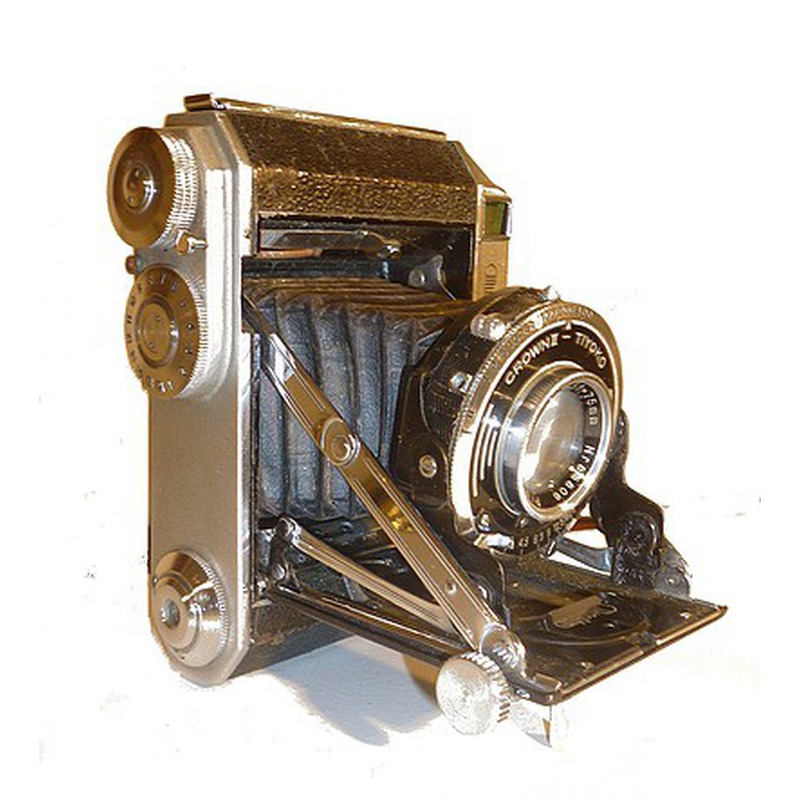
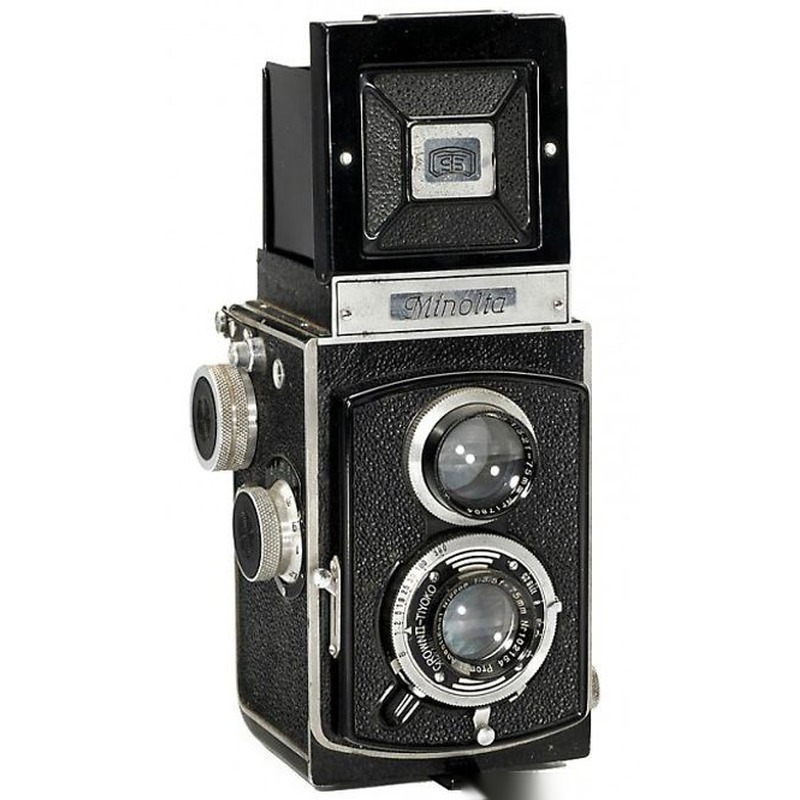
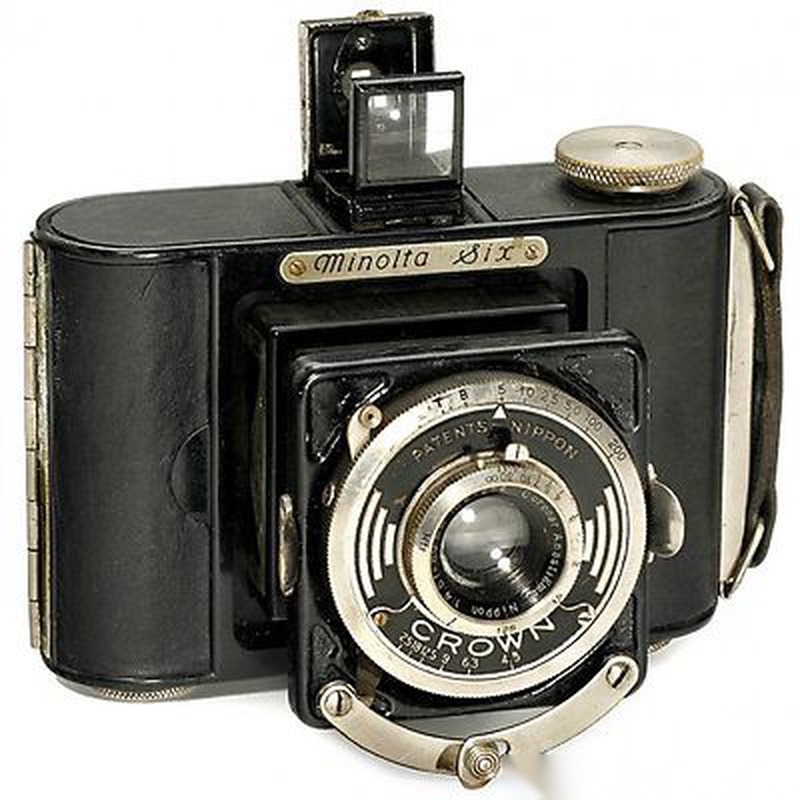
The Semi Minolta Auto represents Minolta's significant entry into the burgeoning 35mm still camera market during the late 1930s, marking a crucial step in the company's evolution beyond folding rollfilm models. Produced from 1937 through 1943, a period encompassing the onset of World War II, this camera embodies the era's transitional phase in 35mm photography, offering a basic yet functional rangefinder design aimed at serious enthusiasts. Characterized by a compact, robust body construction typical of the period, it features coupled rangefinder focusing, a cloth focal plane shutter with speeds typically ranging from 1 to 1/500 second, and accepts standard 135 film cassettes, positioning it as a practical alternative to the more dominant European imports like Leica and Contax. While not revolutionary in its features, the Semi Minolta Auto was a commercially important product for Minolta, demonstrating their commitment to the 35mm format during challenging years and laying the groundwork for their post-war successes. Its design reflects utilitarian priorities and the constraints of wartime manufacturing, making it a representative piece of mid-century Japanese camera engineering.
Specifications
| Film Format | 135 |
/main.jpg)
/main.jpg)
 Enjoy this museum? Support on Ko-fi