Pricing
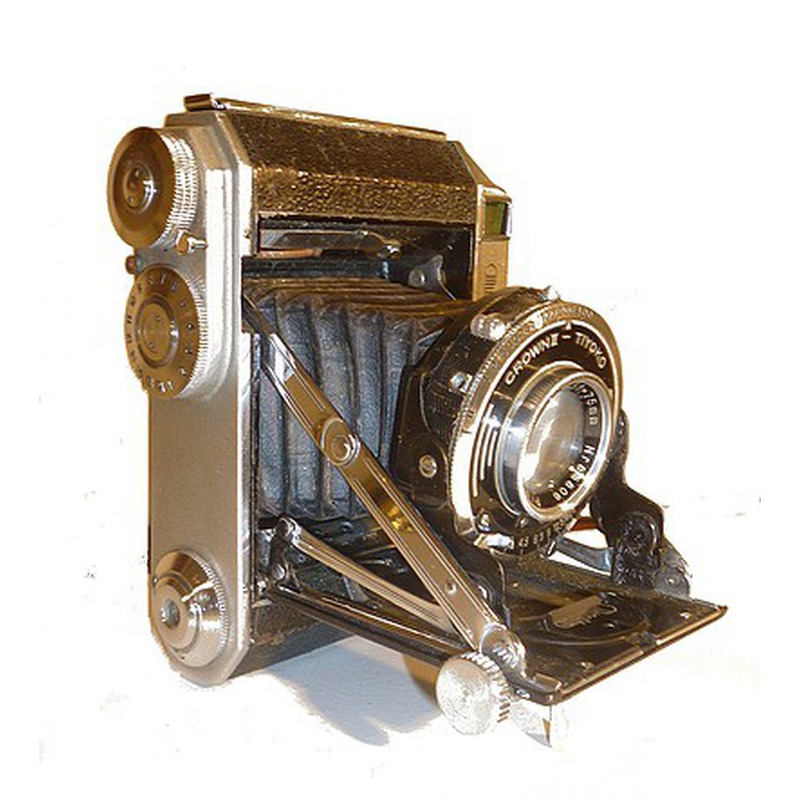
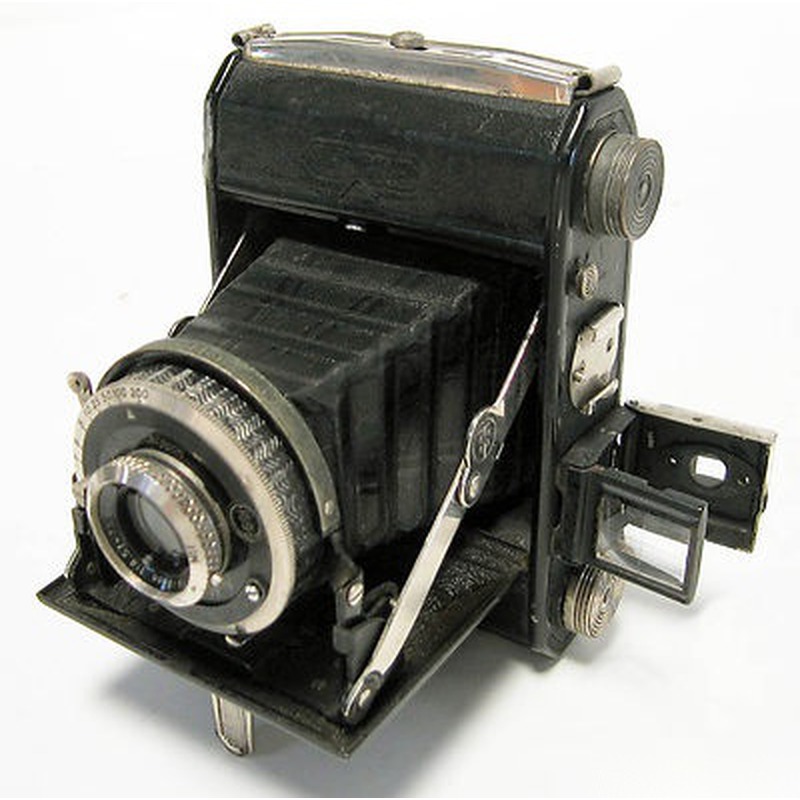
Minolta Auto Semi
Minolta · Japan · 1937 · 135 film
The Minolta Auto Semi represents a pivotal moment for the Japanese manufacturer, marking their first foray into the 35mm format in 1937. This introduction placed Minolta directly into a field dominated by European giants like Leica, positioning it to compete in the growing market for miniature cameras. The camera likely employed a simple but effective semi-automatic film transport mechanism, a key feature denoted by its "Auto" designation, reducing the manual steps needed between exposures. Characterized by a straightforward design typical of early 35mm models, it probably featured a basic viewfinder, a fixed or simple lens, and a metal body construction typical of its era, offering a practical entry point into the 35mm world for photographers seeking more compact and convenient shooting compared to larger plate or roll-film cameras.
As Minolta's inaugural 35mm model, the Auto Semi holds historical importance as the foundation upon which the company would build its significant reputation in the post-war 35mm market. While it lacked the groundbreaking innovations or iconic status of later Minolta classics or contemporaries like the Leica III, it successfully established Minolta's presence in the competitive 35mm arena. Its development and release reflected Japan's emerging capabilities in precision optics and manufacturing, paving the way for Minolta's future technological advancements and eventual global influence in photography. It remains a significant artifact representing the company's initial steps into the small-format camera revolution.
Specifications
| Film Format | 135 |
/main.jpg)
/main.jpg)
 Enjoy this museum? Support on Ko-fi