Pricing
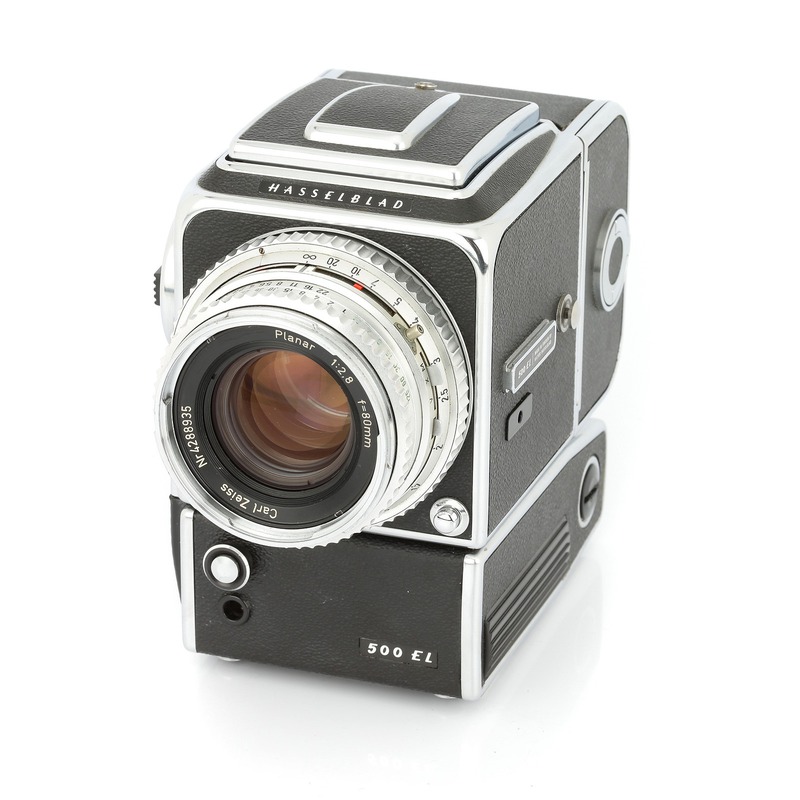
Hasselblad 500 EL
Hasselblad · Sweden · 1965–1971 (6 years) · 120 film
The Hasselblad 500 EL, introduced in 1965, stands as a landmark in medium format photography as the first Hasselblad camera to incorporate a built-in motor drive. Maintaining the modular design philosophy of the 500 series, the "EL" (Electric) designation referred to this revolutionary feature that enabled continuous shooting at approximately 1 frame per second—a significant advancement for professional photographers who previously required cumbersome external motor drives. Constructed with the precision and durability characteristic of Hasselblad, the camera featured a metal body with interchangeable lenses, viewfinders, and film backs, offering versatility alongside its motorized capabilities.
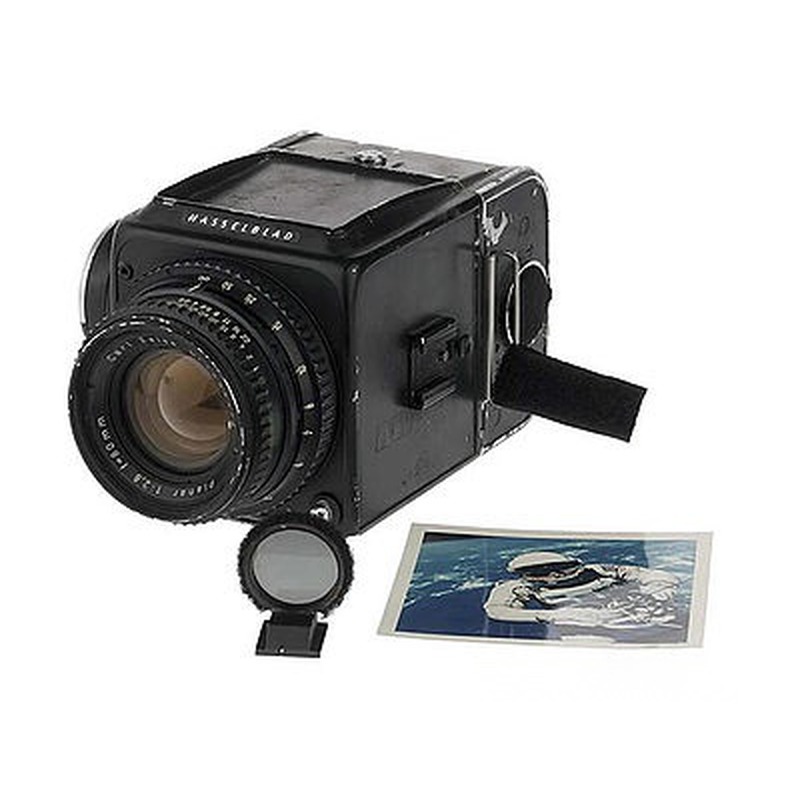
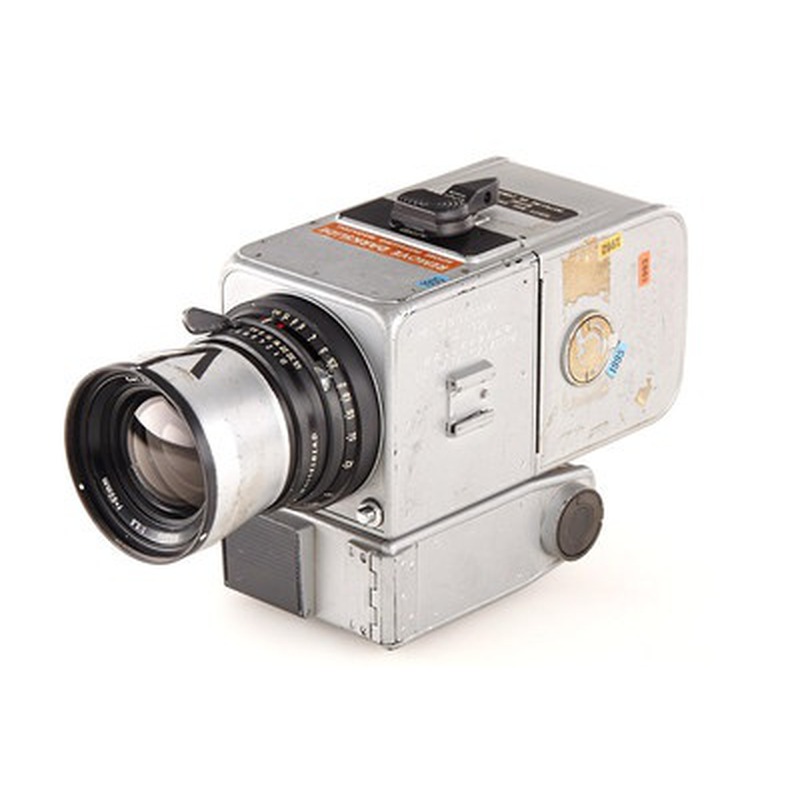
The 500 EL achieved legendary status primarily through its adoption by NASA for space missions, where it became the camera of choice for documenting humanity's journey beyond Earth. Astronauts utilized this camera during numerous space programs, including the historic Apollo missions, where its images from the lunar surface captured one of humanity's greatest achievements. The camera's exceptional image quality, quiet operation, and modular design made it perfectly suited for both terrestrial professional work and the unique challenges of space photography, where reliability was paramount despite extreme conditions. Its presence in these historic moments cemented its place among the most important cameras in photographic history.
Specifications
| Film Format | 120 |
/main.jpg)
/main.jpg)
/main.jpg)
_'Lunar_Surface'/main.jpg)
 Enjoy this museum? Support on Ko-fi