Pricing
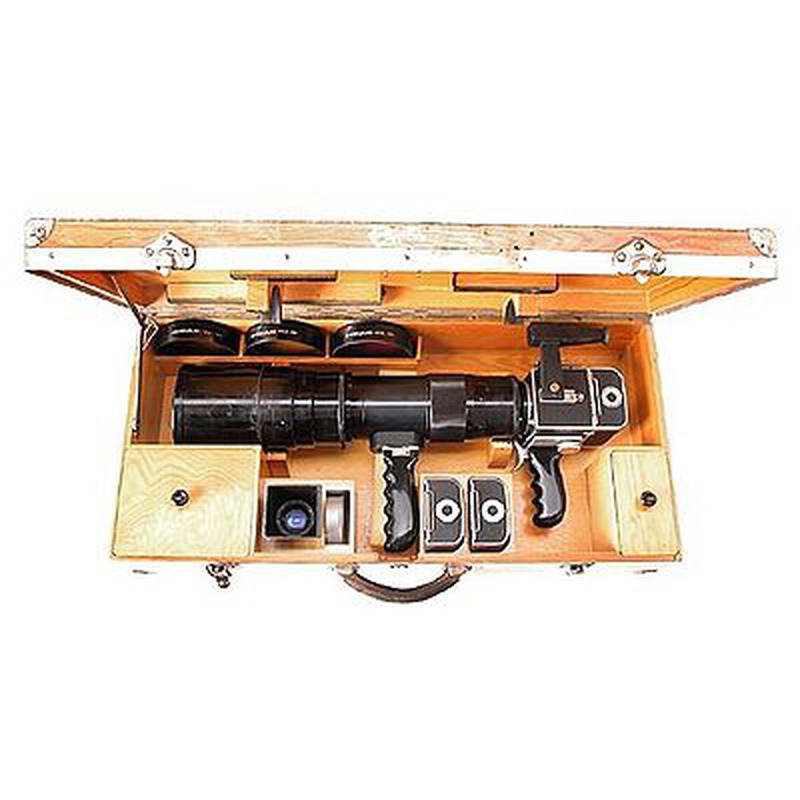
Hasselblad 500 C 'NASA'
Hasselblad · Sweden · 1962–1963 (1 years) · 120 film
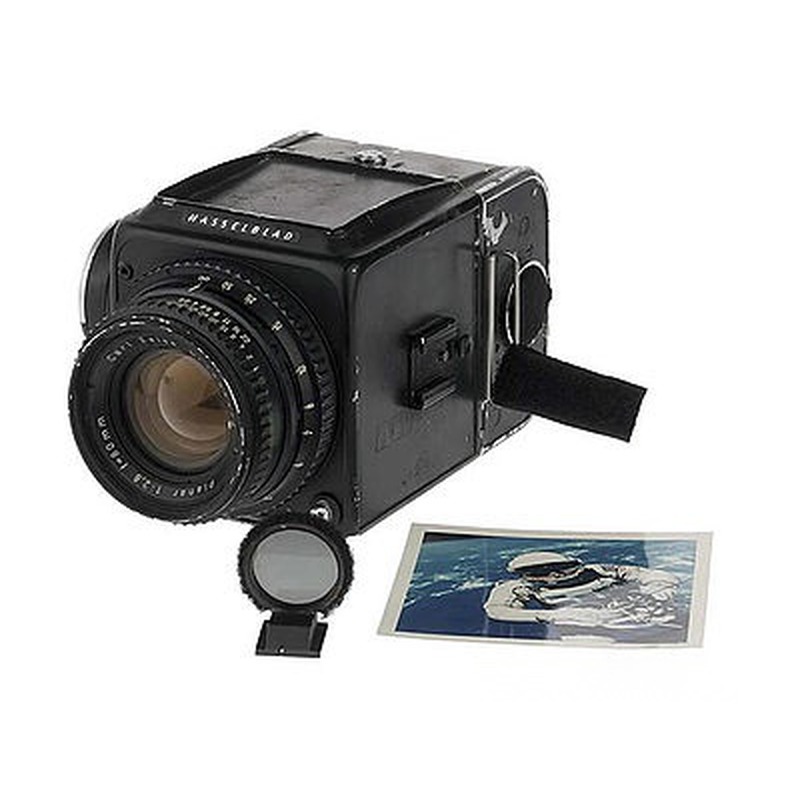
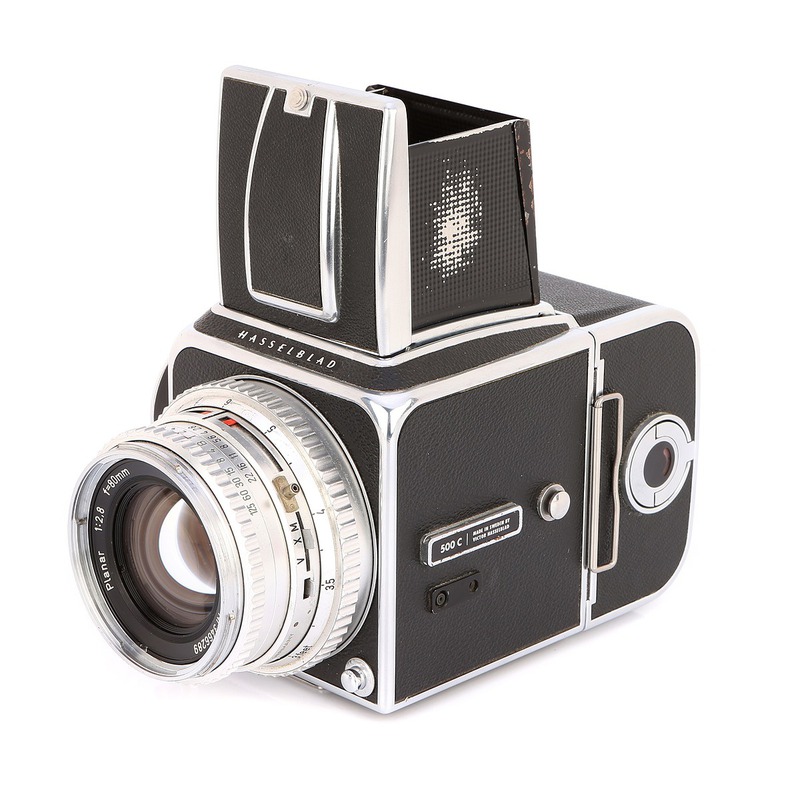
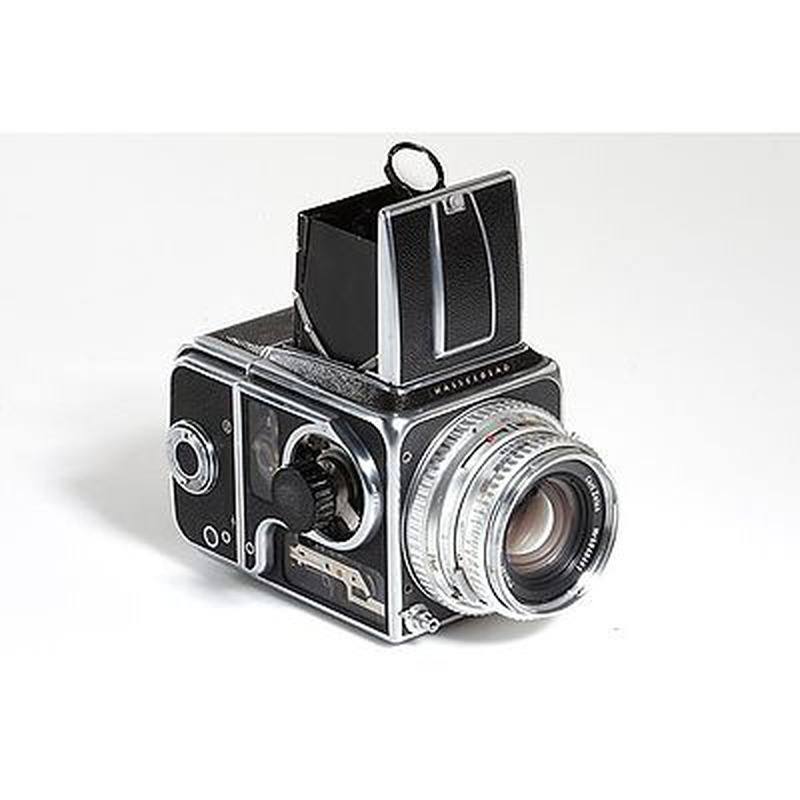
The Hasselblad 500 C 'NASA' occupies a pivotal position in both photographic and aerospace history. This medium format camera, produced specifically for NASA during the early 1960s, was the direct descendant of the Hasselblad 500 C and the crucial predecessor to the modified Hasselblads that famously carried astronauts to the Moon. Its development stemmed from a partnership between NASA and Victor Hasselblad, seeking a reliable, high-quality camera system capable of operating in the vacuum and extremes of space. The 500 C 'NASA' models were essentially production 500 C bodies selected and rigorously tested by NASA, often featuring minor modifications like simplified controls, removal of the reflex mirror for vibration reduction in some configurations, and specialized film magazines. They represented the first steps in adapting the robust Hasselblad modular system – featuring interchangeable lenses, viewfinders, and film backs – for extraterrestrial use, a system that would become synonymous with space photography.
The design of the 500 C 'NASA' was a testament to Hasselblad's engineering ethos. Built around a compact, metal chassis, it utilized the legendary central shutter system (Synchro-Compur) within its modular lens components, providing flash synchronization across all focal lengths. Its modular nature was revolutionary, allowing astronauts to quickly swap lenses and film backs without changing the body – a critical feature in the demanding space environment. This inherent reliability and adaptability, proven during early Mercury and Gemini missions, directly paved the way for the Hasselblad Electric Cameras (HEC) used on the Apollo program, which captured the iconic images of the lunar surface and Earthrise. The 500 C 'NASA' therefore served as the essential proving ground, establishing the operational framework and demonstrating the photographic excellence that made Hasselblad the unofficial camera of space exploration. Its use documented the dawn of human spaceflight and laid the photographic groundwork for humanity's greatest off-world achievements.
Specifications
| Film Format | 120 |
/main.jpg)
/main.jpg)
 Enjoy this museum? Support on Ko-fi