Pricing
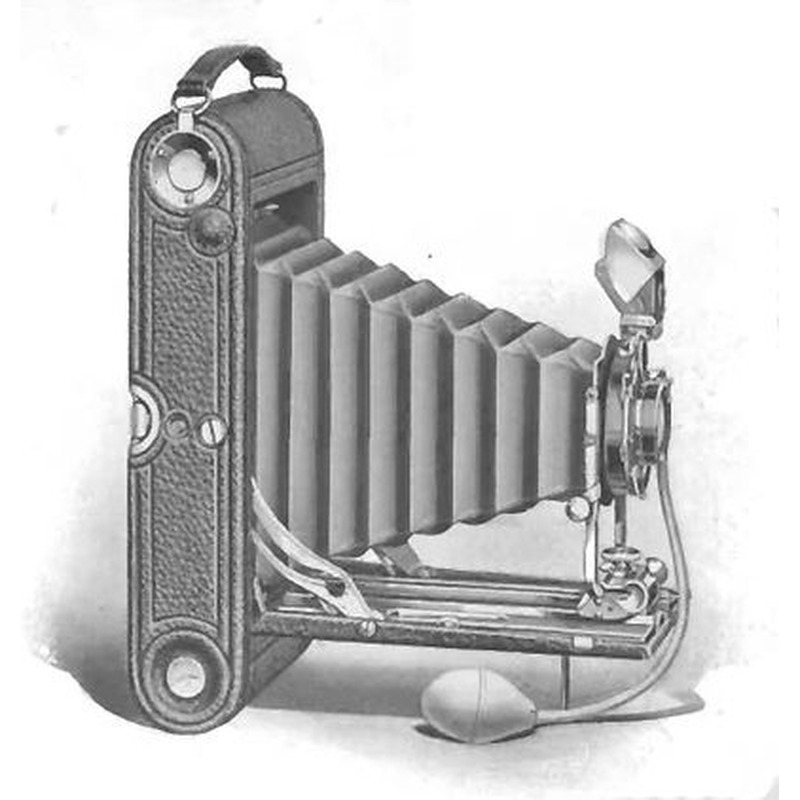
Kodak Pocket No.3A
Kodak · USA · 1927–1934 (7 years) · 135 film
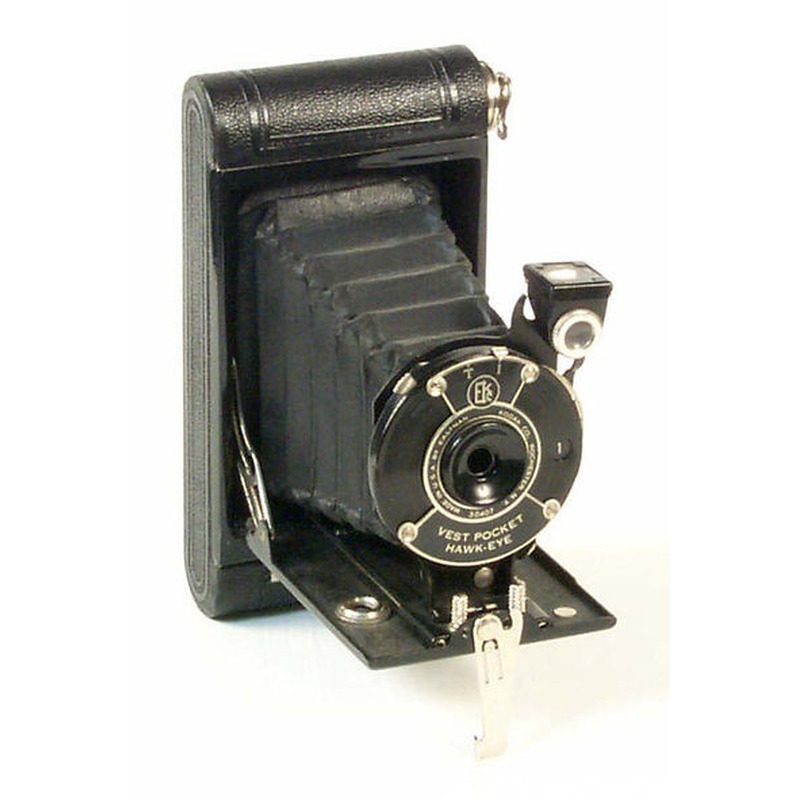
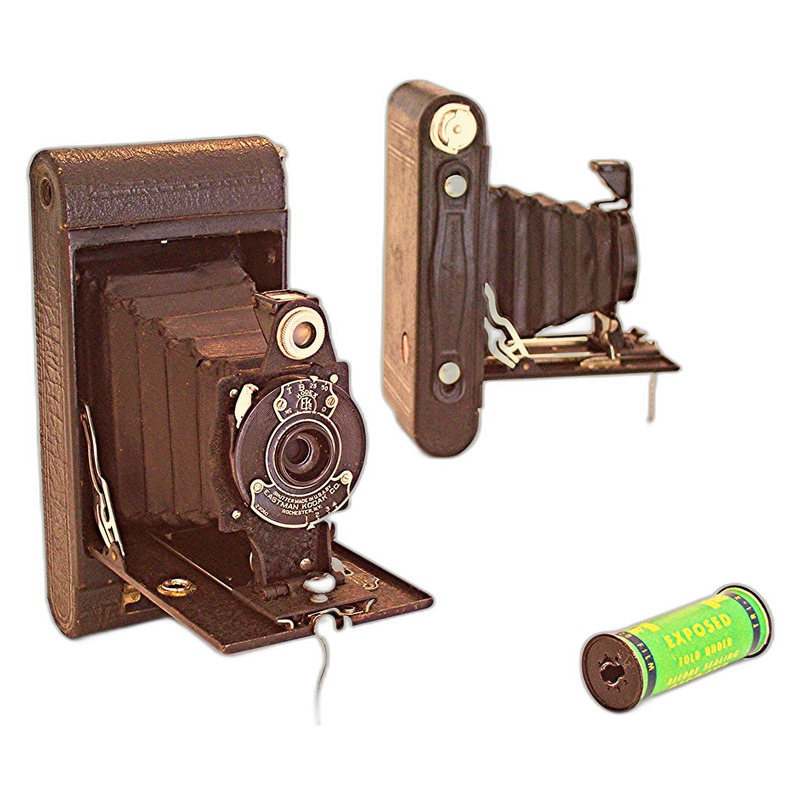
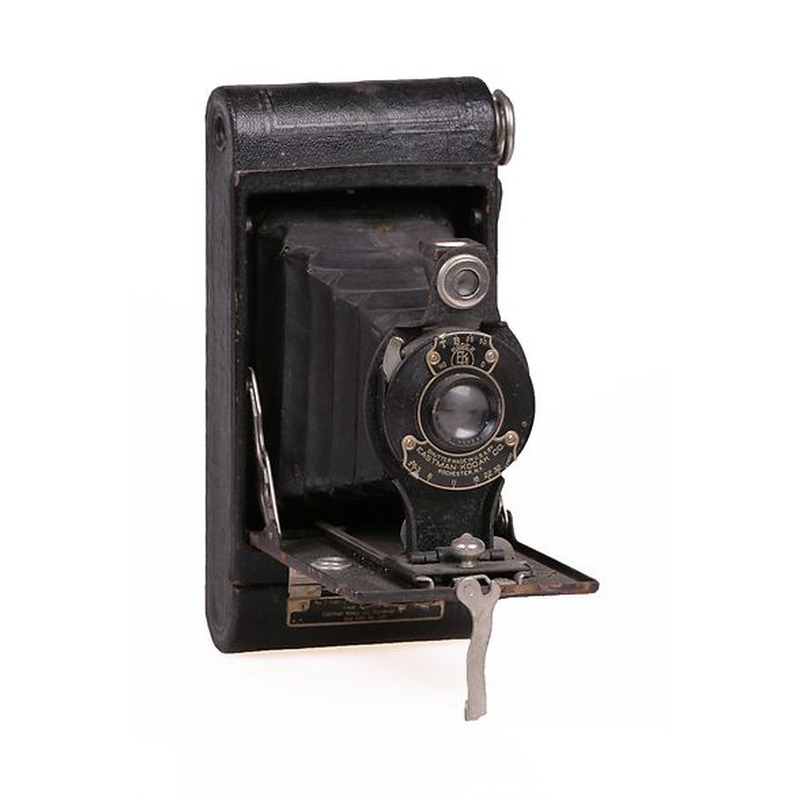
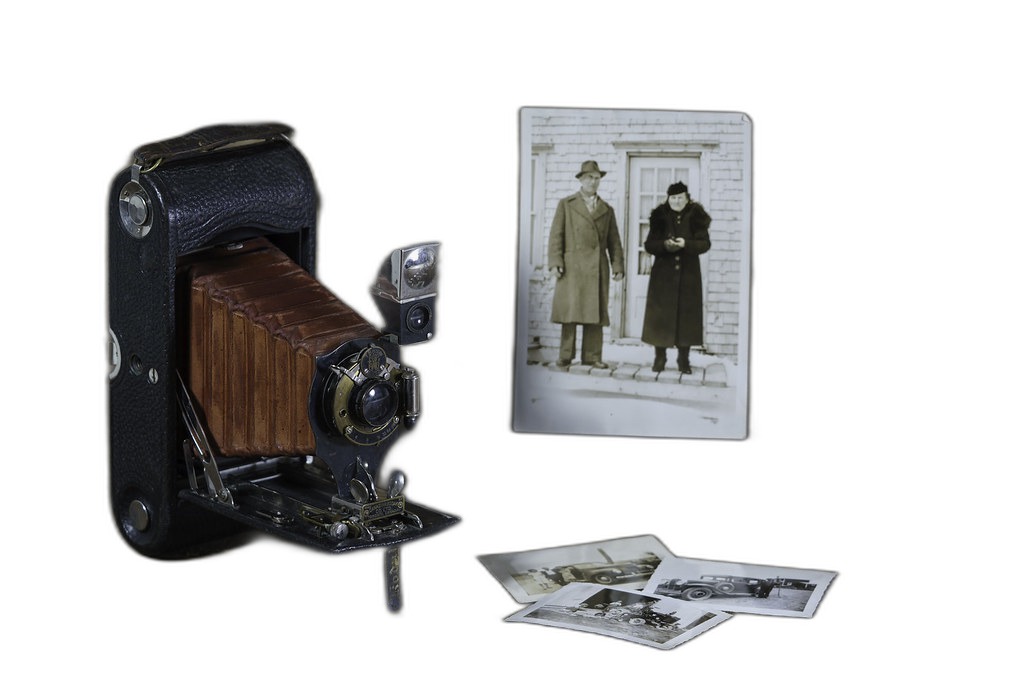
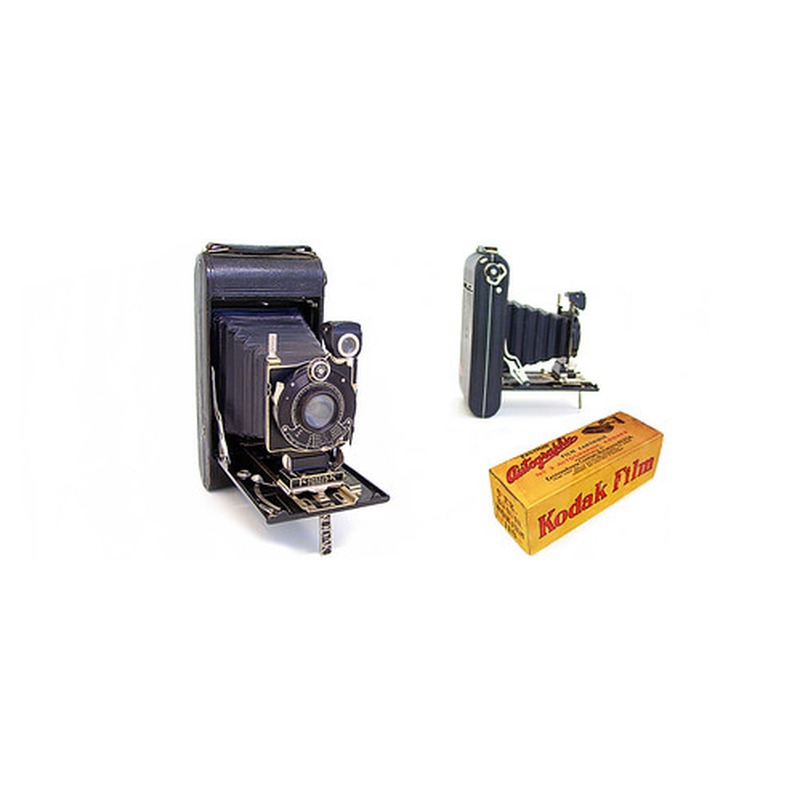
The Kodak Pocket No.3A represents Kodak's significant entry into the burgeoning 35mm film market during the late 1920s and early 1930s. As a folding camera designed for amateur photographers, it aimed to bring the convenience and relatively small format of 35mm film to a mass audience before the rise of more advanced miniature cameras. Its compact folding body, likely utilizing materials like bakelite and metal for a balance of affordability and durability, made it portable for its time. Equipped with a simple lens and shutter system typical of consumer cameras of this era, the Pocket No.3A prioritized ease of use and accessibility over cutting-edge performance or innovation. It served as a bridge between Kodak's established roll-film cameras and the future dominance of 35mm, solidifying the company's presence in the format while aiming for broad adoption through its "Pocket" name and user-friendly design. While lacking the groundbreaking status of contemporary Leica models, it played a crucial role in normalizing 35mm photography for everyday users.
Despite its Kodak pedigree and historical context as one of the earliest widely available 35mm folding cameras from a major manufacturer, the Pocket No.3A remained fundamentally a practical, utilitarian tool rather than a technologically significant landmark. Its design followed established conventions for folding rollfilm cameras adapted for 135 cartridges, focusing on delivering reliable snapshots without introducing major new features or design philosophies. Its production run of several years indicates commercial success within its niche, yet it did not achieve iconic status or profoundly influence camera development. Surviving examples today are valued more for their representation of Kodak's strategy and the transitional period in amateur photography than for inherent technical brilliance or rarity. It stands as a testament to Kodak's adaptability and the popularization of the 35mm format before its explosive growth later in the 20th century.
Specifications
| Film Format | 135 |
 Enjoy this museum? Support on Ko-fi