Pricing
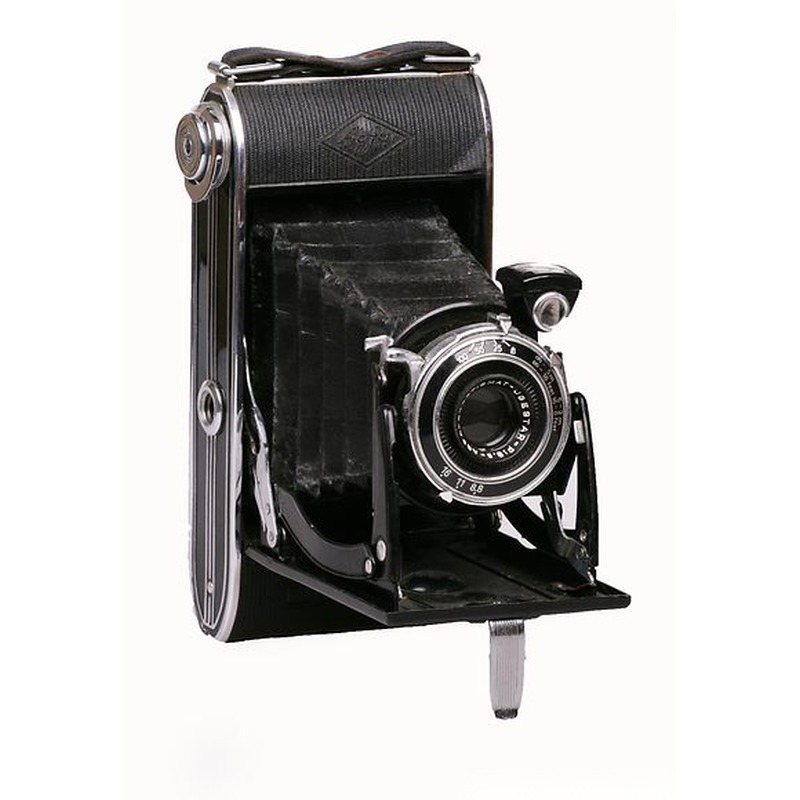
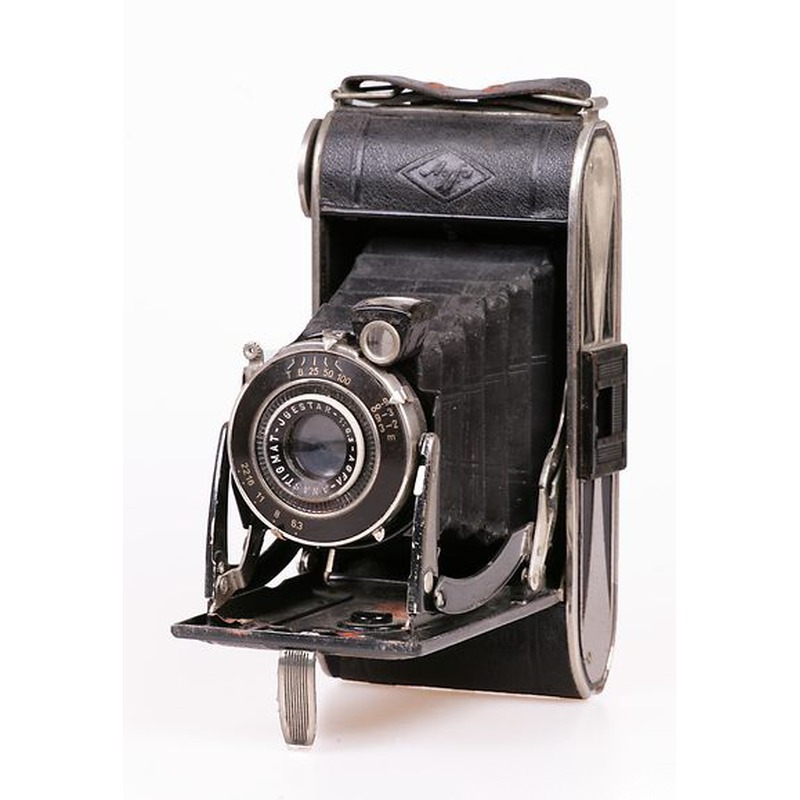
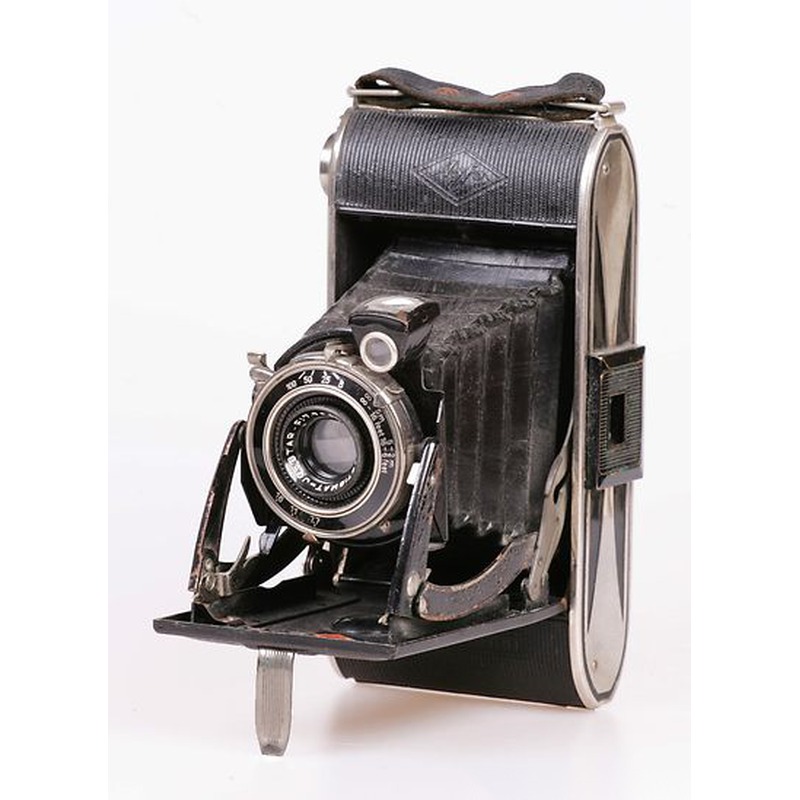
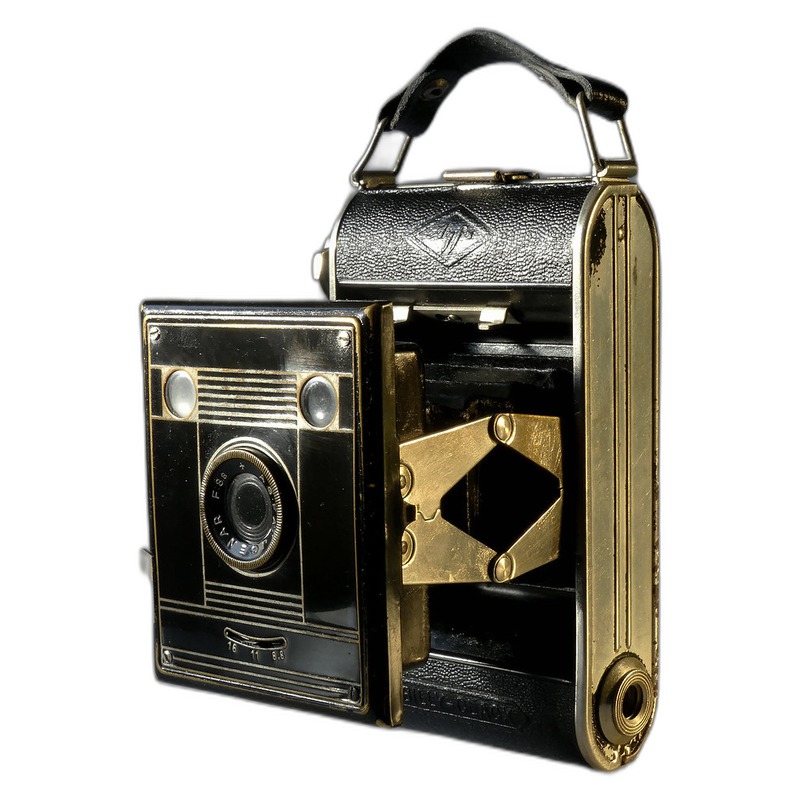
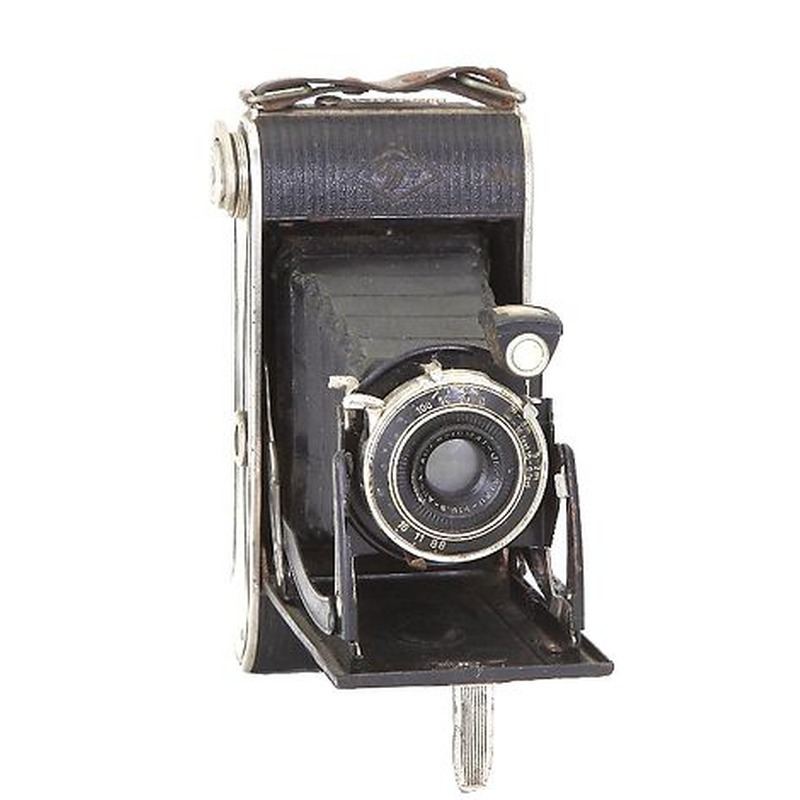
Agfa Billy Record 8.8
Agfa · Germany · 1933–1942 (9 years) · 135 film
The Billy Record 8.8 represents Agfa's significant contribution to the popularization of 35mm photography during the 1930s and early 1940s. Part of Agfa's extensive Billy series, introduced as more affordable alternatives to pricier cameras like the Leica, it utilized the newly standardized 135 cassette film format. This folding camera featured a simplified construction compared to higher-end Billy models, typically equipped with a fixed or simplified triplet lens and a basic shutter mechanism. Its compact folding design made it relatively portable for its time, aiming to bring the convenience of small-format photography to a broader market segment. Production spanned nearly a decade (1933-1942), placing it firmly within a critical period when 35mm film gained widespread acceptance as the standard for amateur and emerging professional photographers in Europe.
While not technically groundbreaking in design or optics, the Billy Record 8.8 played a crucial role in democratizing 35mm photography. It offered a functional, affordable entry point into the format for many consumers who previously found full-size plate or rollfilm cameras cumbersome or expensive. Its production period also coincided with significant pre-war and wartime manufacturing in Germany, making it a common artifact of that era. Surviving examples often reflect sturdy, if utilitarian, construction typical of Agfa's mid-range consumer goods, prioritizing functionality over premium materials or complex engineering. It stands as a representative example of the robust and accessible folding cameras that defined 35mm's rise before and during World War II.
Specifications
| Film Format | 135 |
/main.jpg)
 Enjoy this museum? Support on Ko-fi