Pricing
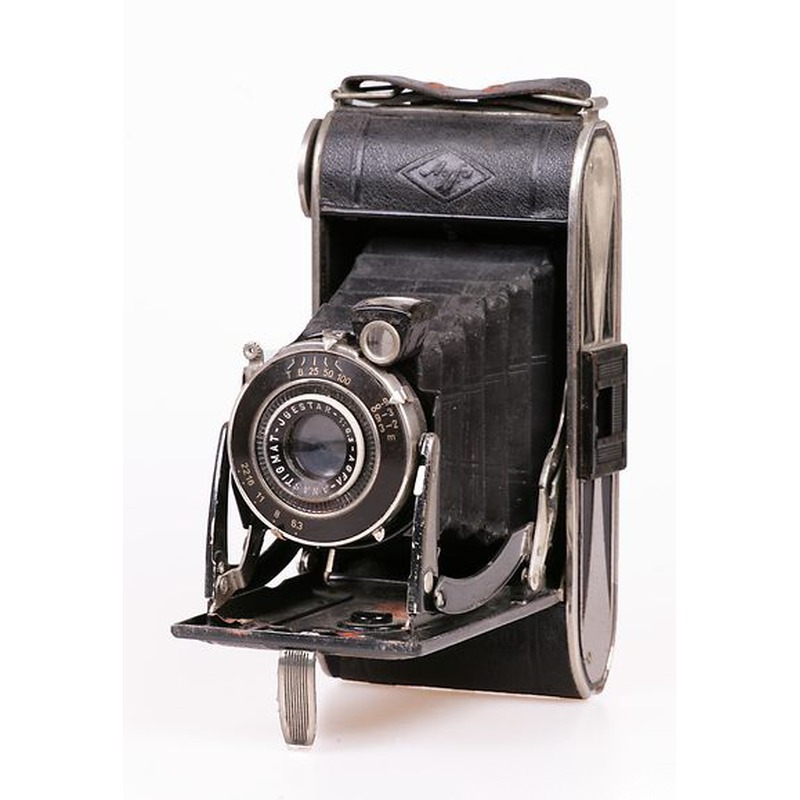
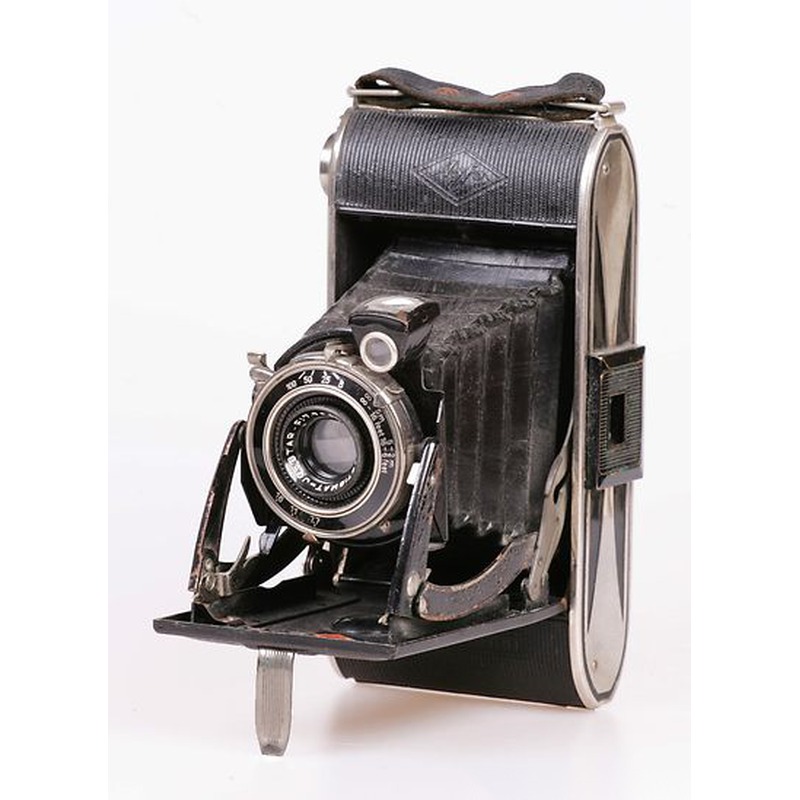
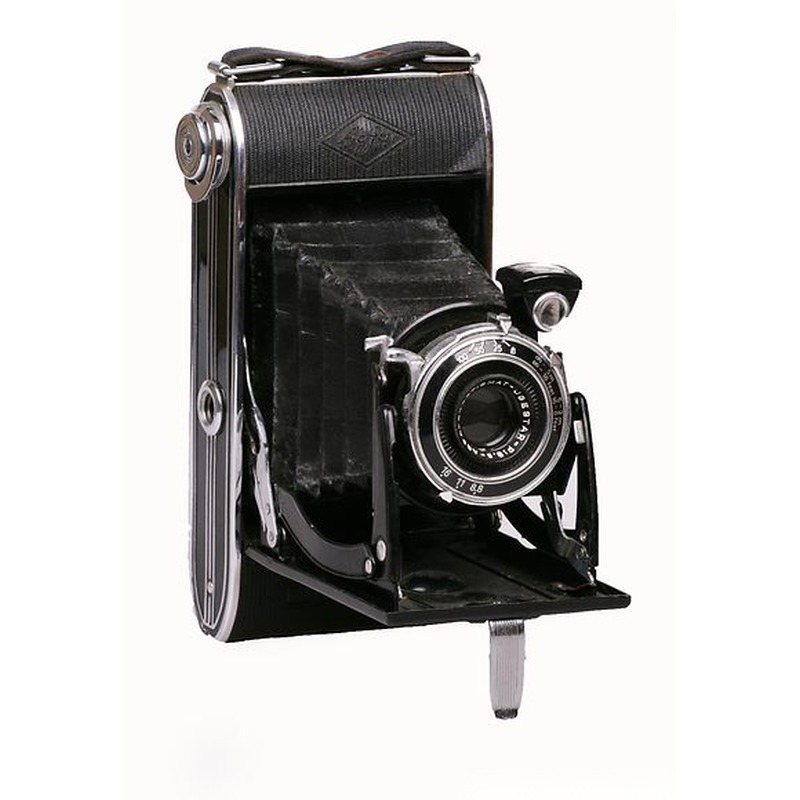
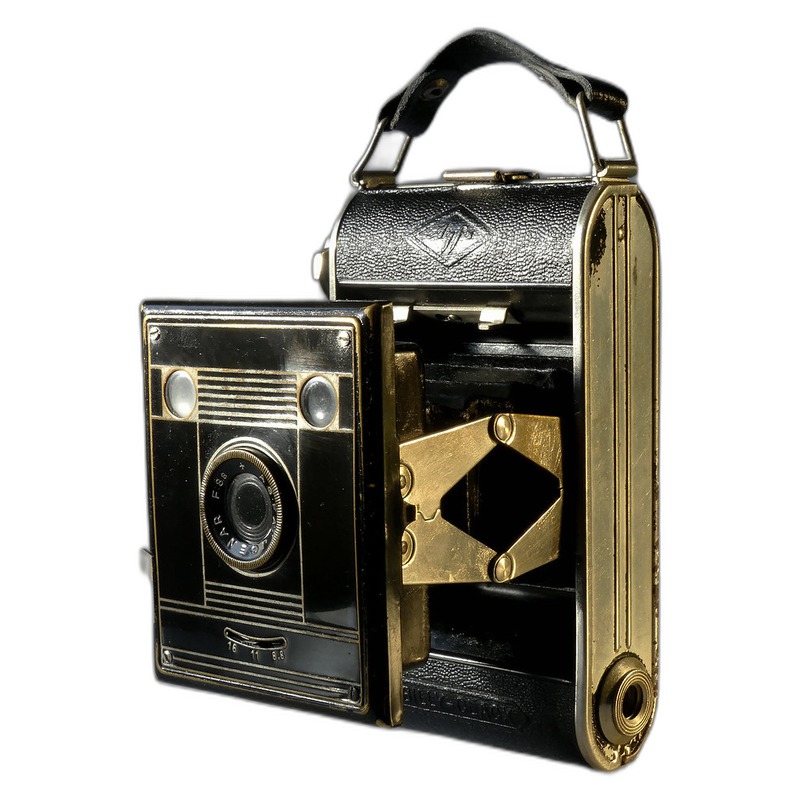
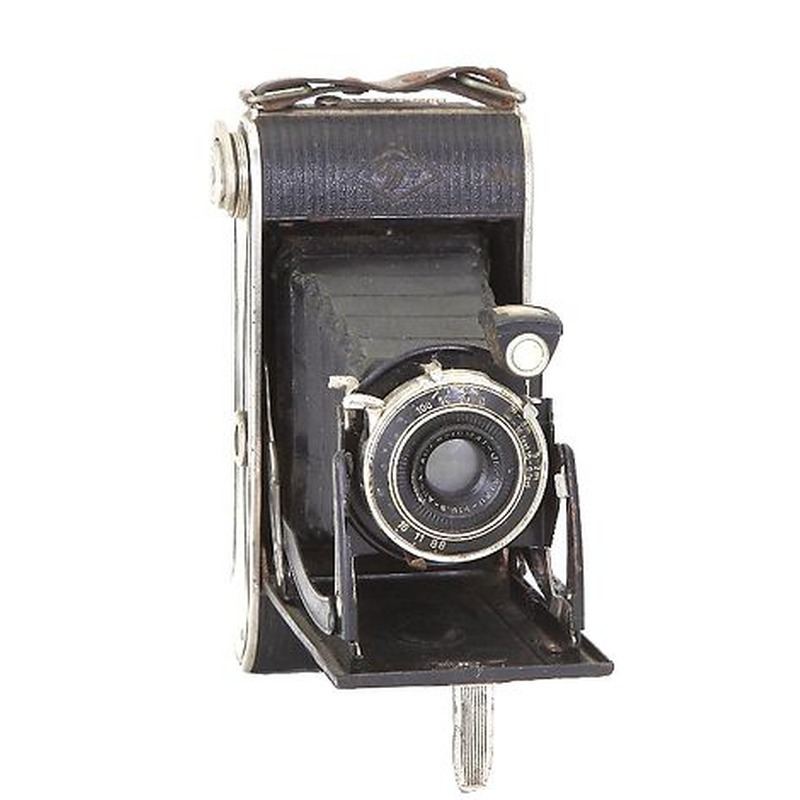
Agfa Billy Record 6.3
Agfa · Germany · 1933–1948 (15 years) · 135 film
The Billy Record 6.3 was Agfa's contribution to making 35mm photography more accessible in the 1930s and 1940s. As part of the Billy series, it positioned itself as an affordable alternative to more complex or expensive models like the contemporaneous Leica III or Contax II. Constructed simply, typically with a metal body and leatherette covering, it featured a fixed Agfa Solinar lens (likely f/6.3 aperture) and a simple, scale-focusing system. Users manually advanced the film and cocked the shutter using separate levers or knobs on the top plate, a common design for cameras of this era and price point. It used standard 135 (35mm) film cartridges, adhering to the emerging Kodak 35mm standard. Its straightforward design, reliable operation within its limits, and reasonable price made it a practical choice for amateur photographers seeking an introduction to small-format cameras during a tumultuous period spanning the late Weimar Republic through post-WWII Europe.
While not renowned for groundbreaking innovation or exceptional optical performance like some rivals, the Billy Record 6.3 holds significance as a workhorse camera that facilitated the adoption of 35mm photography by a wider audience. Its production over 15 years, including through wartime disruptions, indicates its role as a staple product for Agfa. It embodies the era's design philosophy for entry-level 35mm cameras: functional, easy to use, and manufactured to a cost that kept photography within reach for many, particularly in the German and wider European markets. Its legacy lies in its contribution to popularizing the format rather than any single technological leap.
Specifications
| Film Format | 135 |
/main.jpg)
 Enjoy this museum? Support on Ko-fi