/main.jpg)
Pricing
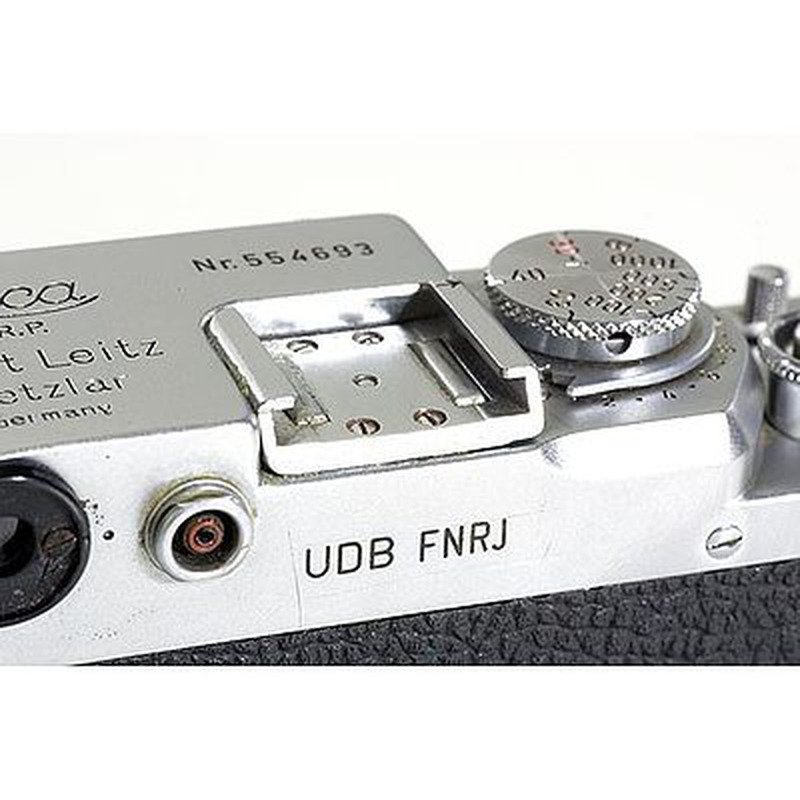
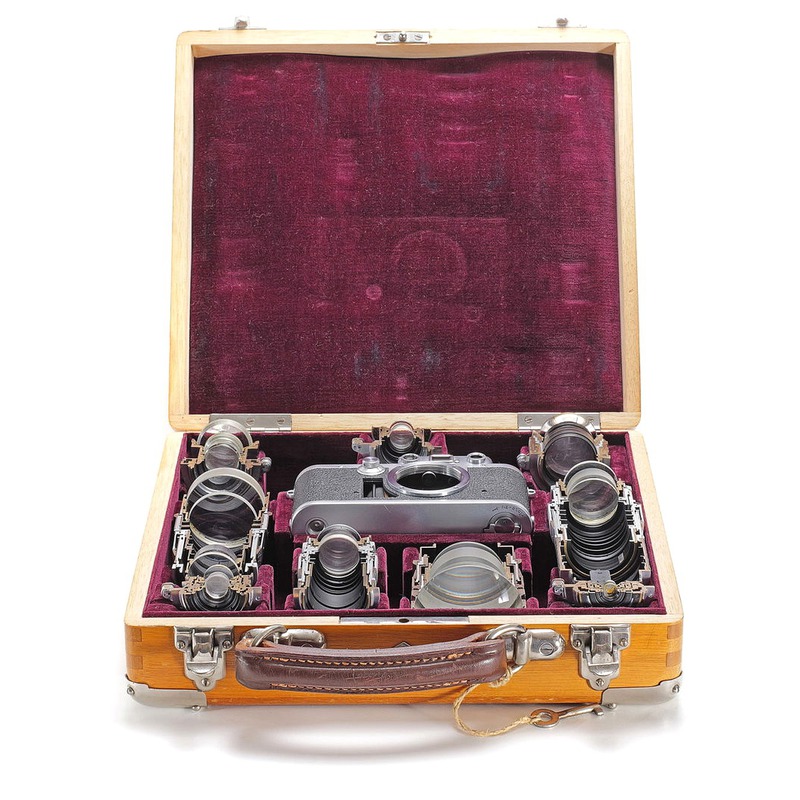
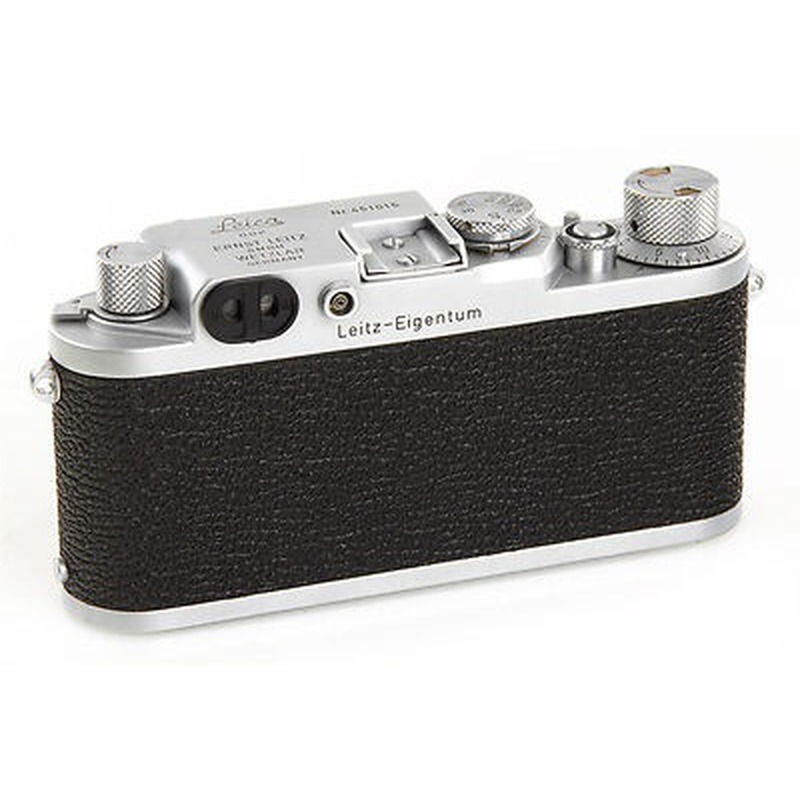
Leica IIf (upgraded)
Leica · Germany · 1951–1956 (5 years) · 135 film
The Leica IIf (upgraded) represents a significant refinement within Leica's early post-war rangefinder lineup. Building upon the established Leica II model series, the IIf introduced several practical enhancements over its predecessors, notably improving the flash synchronization capabilities with faster X-synchronization speeds (up to 1/50th second) and offering a more robust film advance mechanism with a lever instead of knob winding. This iteration maintained the core characteristics of the screw-mount Leica II: a coupled rangefinder for accurate focusing, coupled shutter speeds, and a compact, meticulously built body designed for handheld photography. It served reliably as a workhorse tool for countless professional photographers, photojournalists, and serious enthusiasts during the 1950s, embodying the blend of precision and portability that defined Leica's reputation.
While lacking the revolutionary impact of models like the Leica III or the later M3, the IIf (upgraded) holds a distinct place in Leica's history as a durable, high-quality camera adapted to the evolving needs of documentary and street photography. Its improved flash sync was crucial for available-light work, and its construction continued Leica's tradition of exceptional mechanical integrity. Used by figures like Henri Cartier-Bresson during a pivotal era for reportage, it contributed significantly to the visual language of mid-20th-century life without introducing groundbreaking technological leaps, instead perfecting the accessible Leica formula for its time.
Specifications
| Film Format | 135 |
/main.jpg)
/main.jpg)
_'Monte_en_Sarre'/main.jpg)
 Enjoy this museum? Support on Ko-fi