/main.jpg)
Pricing
Leica IIIf Haber and Fink (turret)
Leica · Germany · 1951 · 135 film
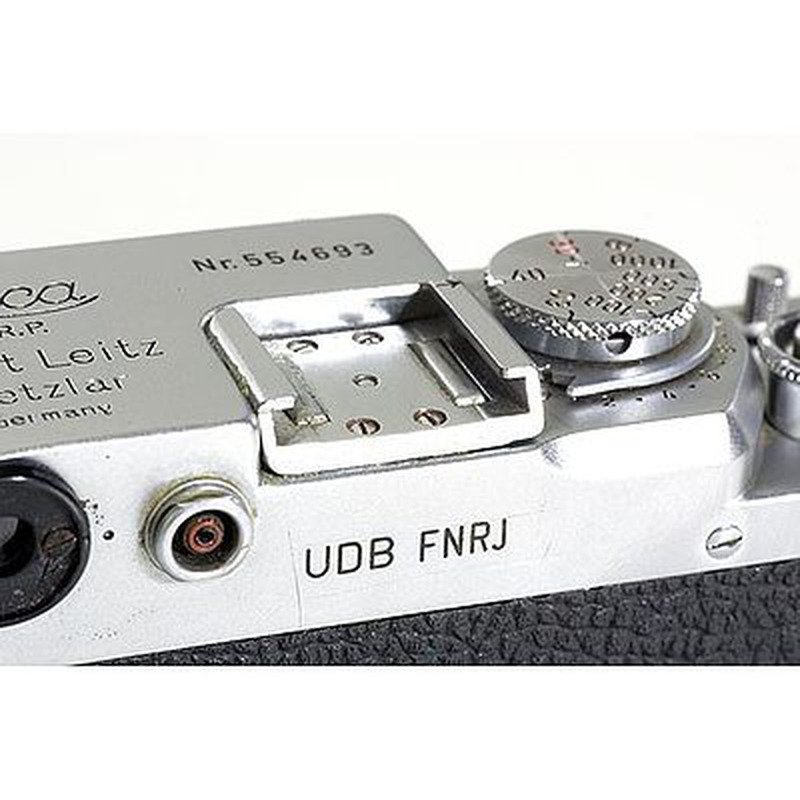
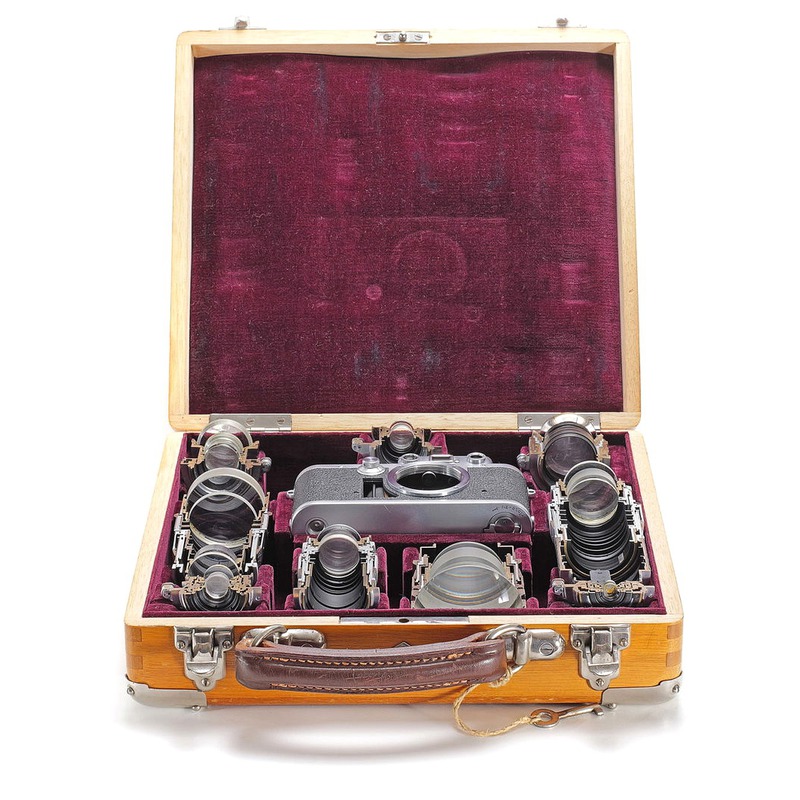
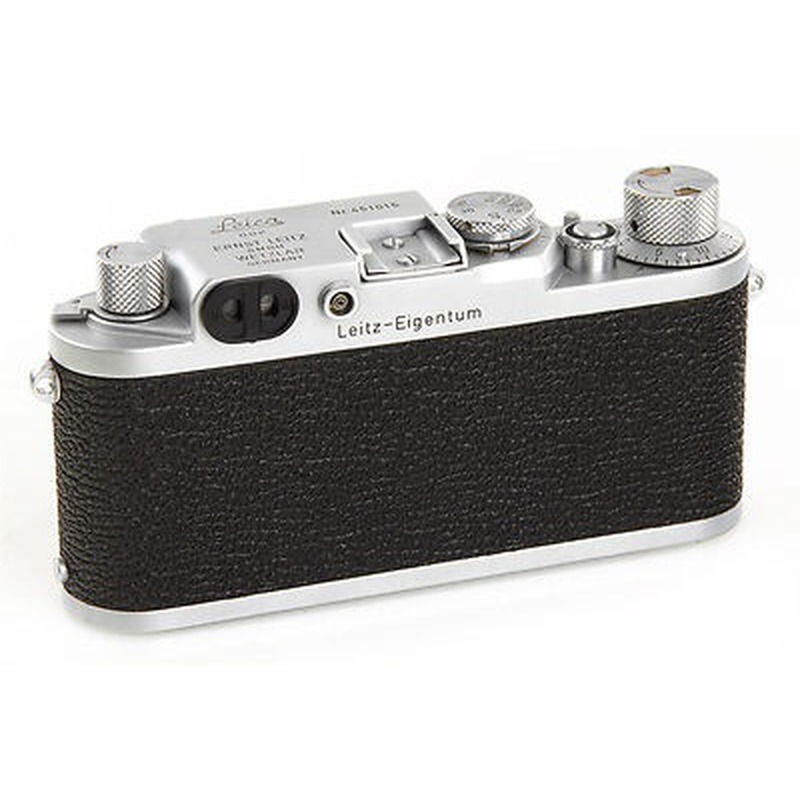
The Leica IIIf Haber and Fink (turret) represents a specialized variant of Leica's final screw-mount model, the IIIf, introduced in 1951. Standard IIIf cameras were robust rangefinder workhorses for professionals, known for their excellent build quality and refined controls. This particular version featured a rotating lens turret mount instead of the typical bayonet mount, enabling rapid lens changes without adapters – a significant advantage for documentary photographers or journalists needing swift focal length transitions. It retained the core IIIf characteristics: coupled rangefinder with variable magnification for 35mm, 50mm, and 90mm lenses, cloth focal plane shutter with speeds to 1/1000s and synchronized flash, and the hinged back for quick film loading. While sharing the high Leica manufacturing standard, the turret modification bespoke a specific user requirement for efficiency in multi-lens shooting scenarios.
This camera exemplifies Leica's commitment to catering to professional needs through bespoke solutions during the early 1950s. The turret mechanism, while complex, showcased Leica's engineering prowess to adapt its core rangefinder design for faster operational workflows. It occupied a niche space between the standard IIIf and the later, more revolutionary bayonet-mount models like the M3, appealing to photographers who valued the familiarity and ruggedness of the screw system but demanded faster lens interchangeability. Its existence underscores Leica's willingness to experiment and provide specialized tools outside its main product lines for discerning professionals.
Specifications
| Film Format | 135 |
/main.jpg)
/main.jpg)
_'Monte_en_Sarre'/main.jpg)
 Enjoy this museum? Support on Ko-fi