Pricing
Ernemann Röntgen I
Ernemann · Germany · 1898–1907 (9 years) · 135 film
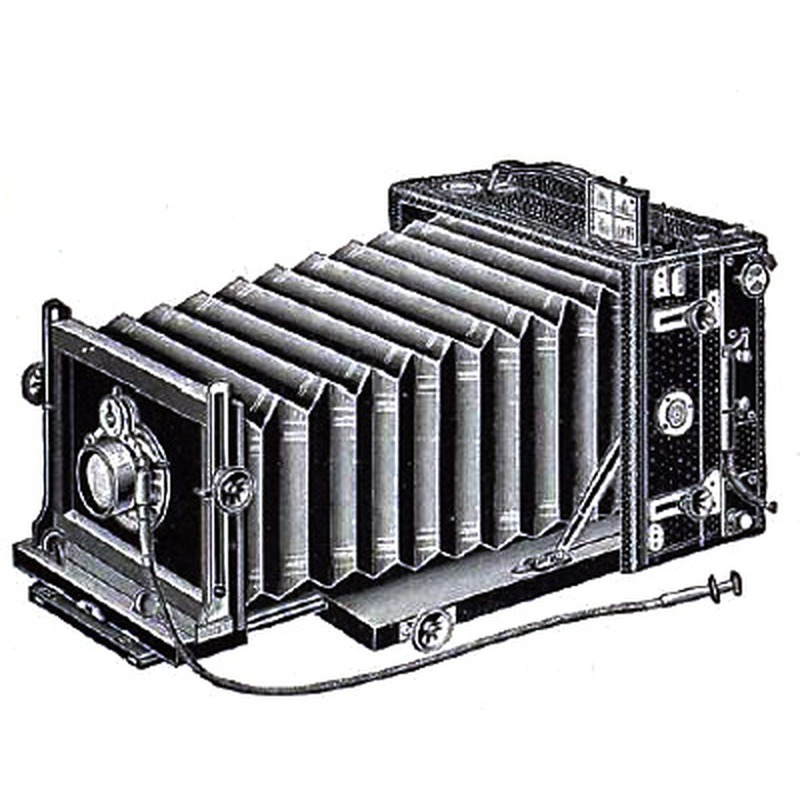
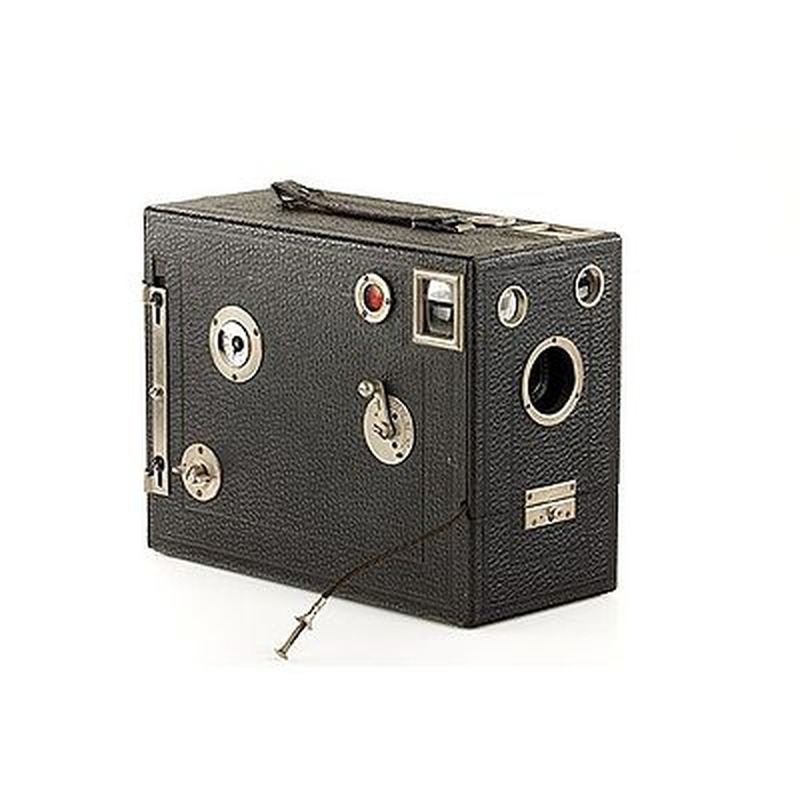
The Röntgen I by Ernemann stands as an intriguing early example of 35mm photography, produced by the respected German company between 1898 and 1907. While predating the mass adoption of 35mm film by several decades, this camera represents a significant, though not revolutionary, step towards the compact format that would eventually dominate. Its use of 135 film – the standard 35mm still cine film – suggests Ernemann was experimenting with smaller formats at a time when larger plate and roll films were the norm. The camera likely featured a simple, robust construction typical of Ernemann's period designs, prioritizing functionality over miniaturization. It represents an important, albeit niche, chapter in the evolution of handheld cameras, demonstrating early commercial interest in reducing equipment size and cost for amateur and practical use.
While lacking the transformative impact of later landmarks like the Leica I, the Röntgen I holds value as an artifact from the formative years of small-format photography. Its production spanned nearly a decade, indicating a certain market stability for the concept during that era. It serves as a tangible link between the bulky plate cameras of the 19th century and the iconic 35mm rangefinders and SLRs that emerged after World War I, highlighting the experimental phase undertaken by manufacturers like Ernemann. Collectors value it primarily for its rarity and specific place in the chronology of 35mm development rather than for any groundbreaking design feature or widespread historical adoption.
Specifications
| Film Format | 135 |
/main.jpg)
 Enjoy this museum? Support on Ko-fi