Pricing
Ernemann Italia
Ernemann · Germany · 1898–1914 (16 years) · 135 film
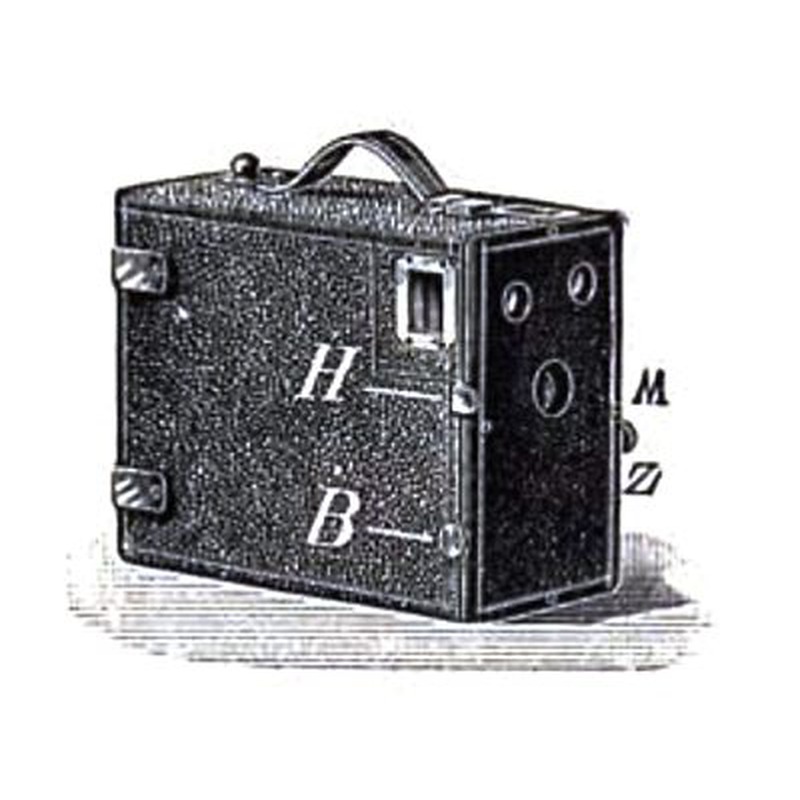
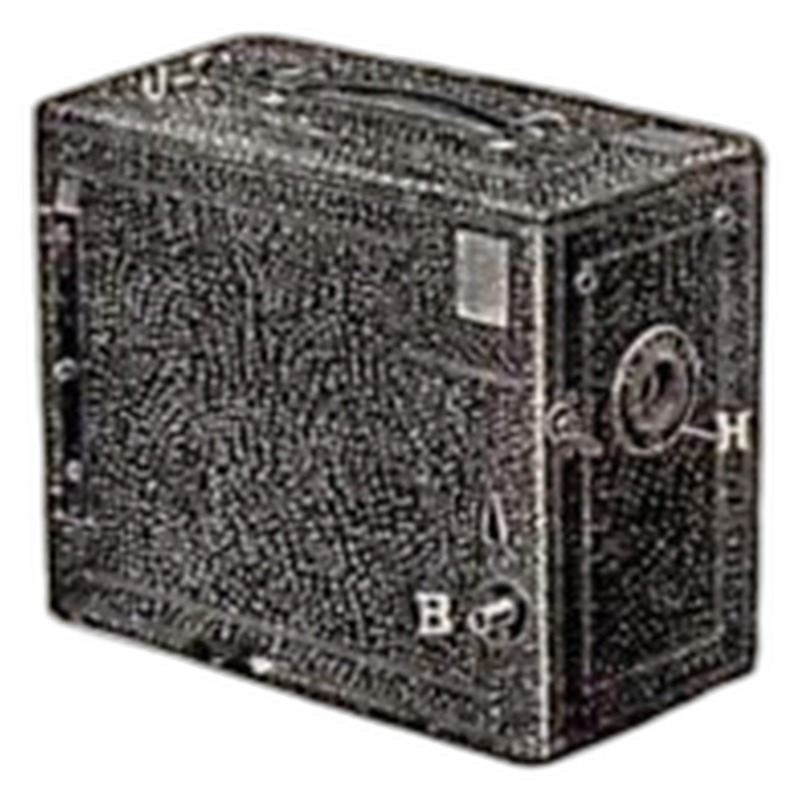
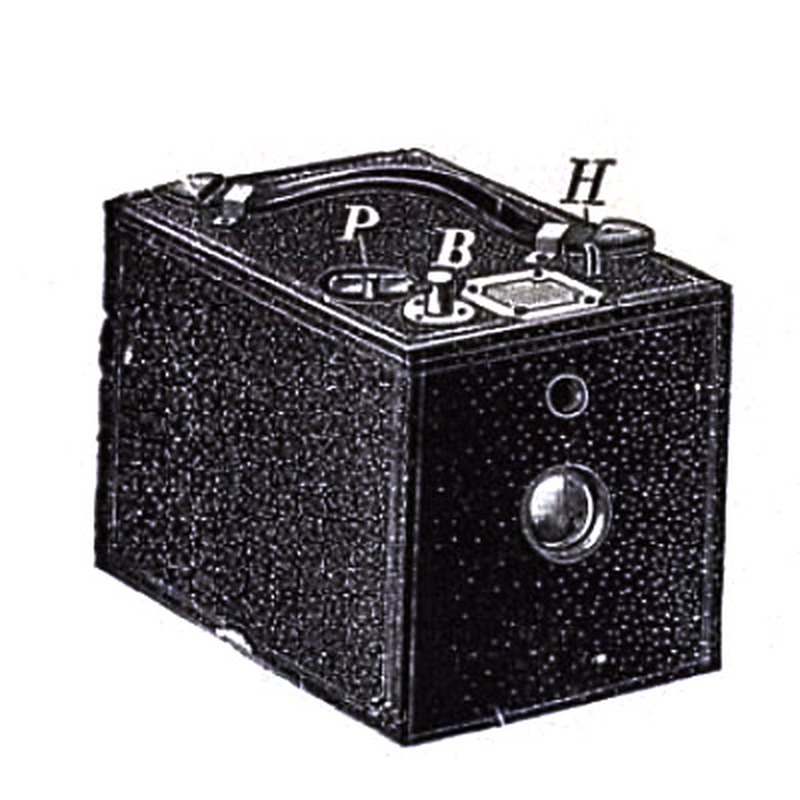
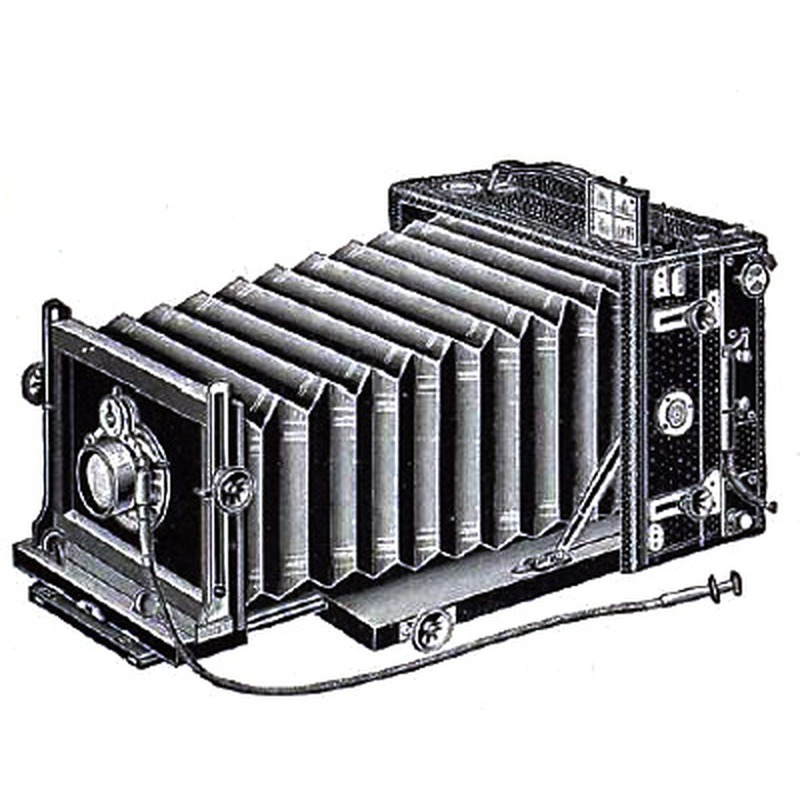
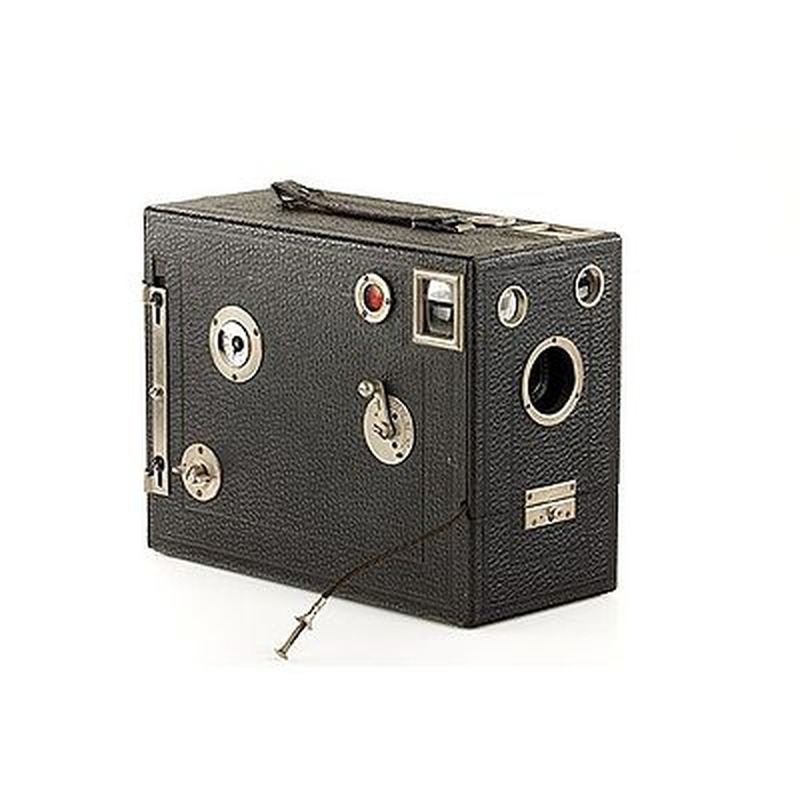
The Ernemann Italia represents an important early attempt to popularize the 35mm format for serious photography, predating Leica's groundbreaking work by over a decade. Produced in Dresden between 1898 and 1914, it catered to professional photographers seeking a compact, high-quality alternative to larger plate and roll-film cameras. Utilizing standard 35mm film in cassettes, the likely incorporated Ernemann's excellent optics, known for sharpness and color fidelity. The camera's construction, typical of Ernemann's mid-tier offerings, prioritized robustness and functionality over elaborate features. Designed for portability while maintaining the image quality expected by professionals, the Italia filled a niche before Leica defined the 35mm market, making it a historically significant precursor in the move towards miniature formats.
As one of Ernemann's dedicated 35mm models during the early 20th century, the Italia contributed to the technical exploration of small-format photography. Its existence demonstrates Ernemann's commitment to innovation alongside its larger view cameras. While its specific design details (like shutter type or finder configuration) remain undocumented without research, the camera's core significance lies in its embodiment of the 35mm concept in the pre-Leica era, offering a glimpse into the technological pathways that would eventually lead to the miniature camera revolution.
Specifications
| Film Format | 135 |
/main.jpg)
 Enjoy this museum? Support on Ko-fi