Pricing
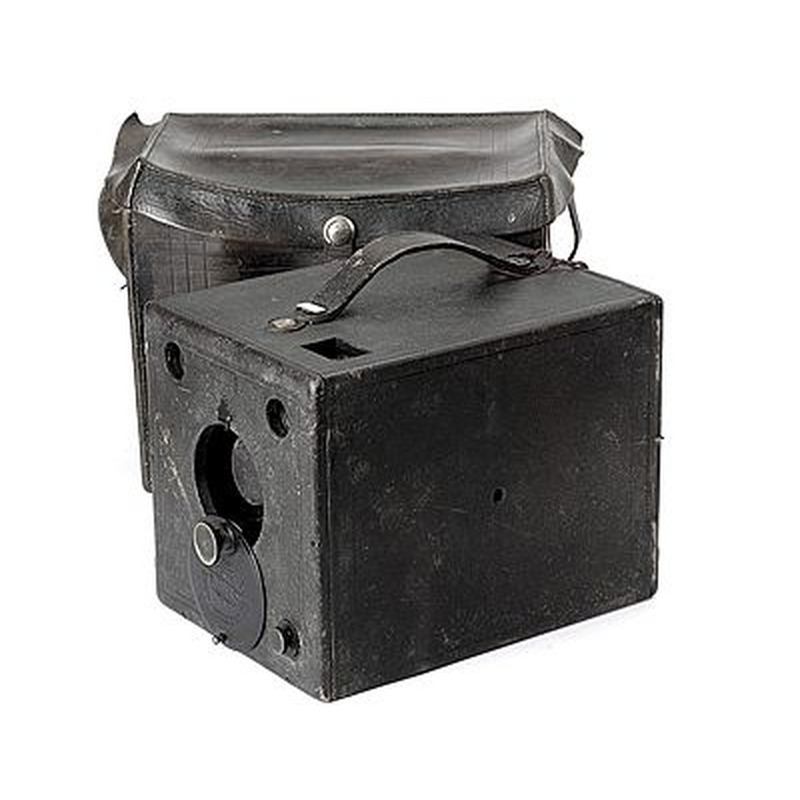
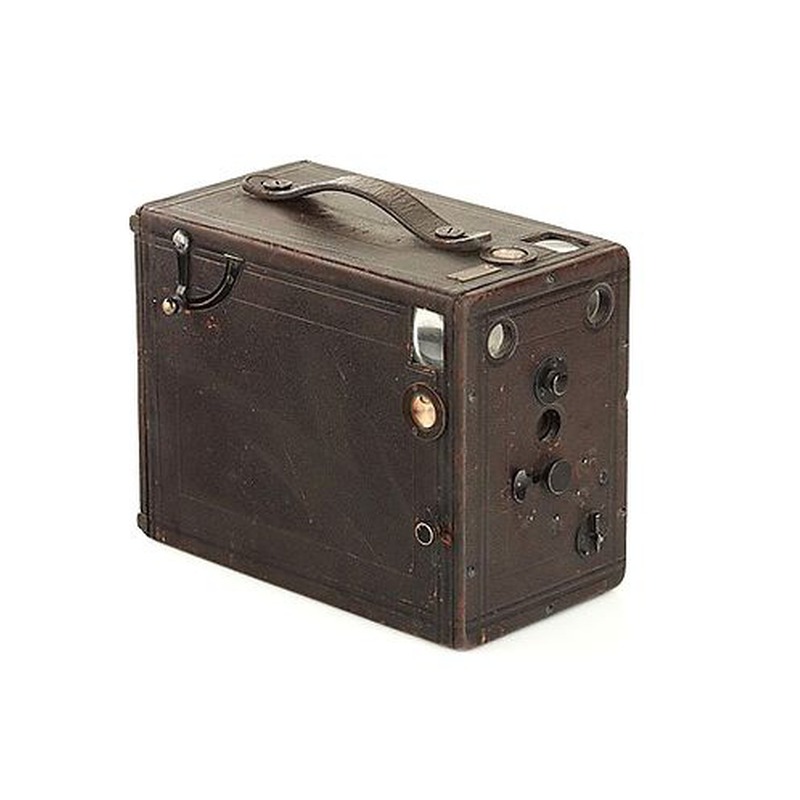
Hasselblad Svea camera
Hasselblad · Sweden · 1890 · 120 film
The Svea camera represents a pivotal, yet obscure, moment in Hasselblad's evolution. Marking the company's first known venture into camera manufacturing in 1890, this medium format machine reflects Hasselblad's early diversification beyond its core business of photographic supplies. Named after an ancient term for Sweden, the Svea embodies a nascent emphasis on Scandinavian craftsmanship during a period of experimentation. While Hasselblad's primary focus remained equipment sales, this camera demonstrates their foundational interest in camera design, predating their later global fame. Its 120 film format, while becoming significant professionally, is notable here as Kodak would officially introduce this roll film only in 1901, suggesting either an early adaptation or a potential dating anomaly that adds to its enigmatic historical position.
Technically, the Svea is understood to be a straightforward, functional design typical of its era. As an early medium format camera, it likely employed a basic box-style body with bellows for focusing. Essential elements would have included a simple shutter mechanism and a ground glass viewing screen for composing images. This construction prioritizes practicality and basic functionality over sophistication, highlighting Hasselblad's initial approach to camera making. While specific technical innovations are undocumented, its medium format capability positioned it within a lineage influencing later professional systems. The Svea serves primarily as a tangible artifact of Hasselblad's formative years, symbolizing the humble beginnings of a brand destined for iconic status in professional photography.
Specifications
| Film Format | 120 |
/main.jpg)
/main.jpg)
 Enjoy this museum? Support on Ko-fi