Pricing
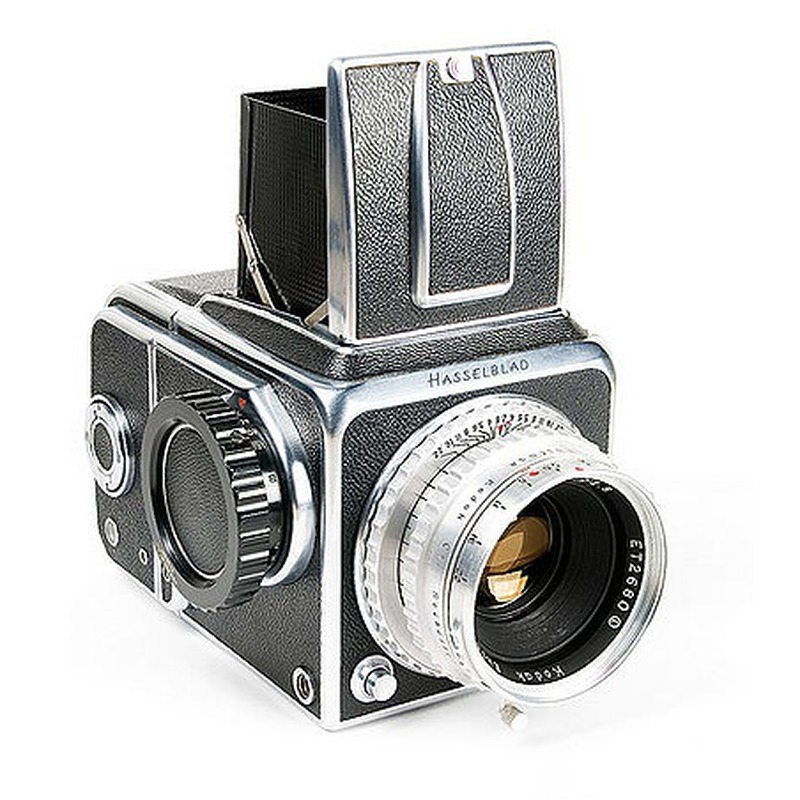
Hasselblad 1600F
Hasselblad · Sweden · 1948–1953 (5 years) · 120 film
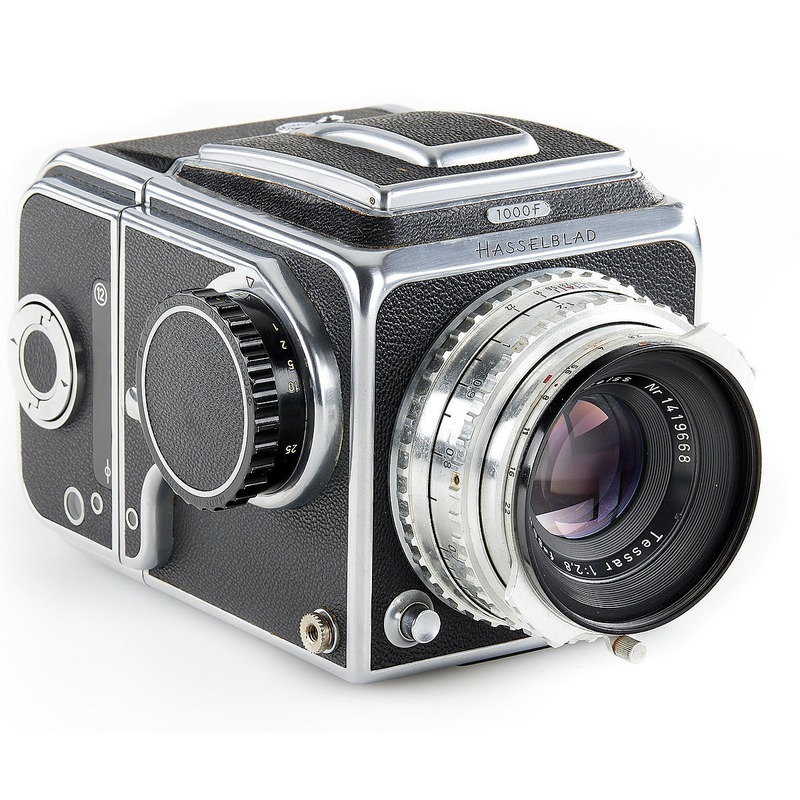
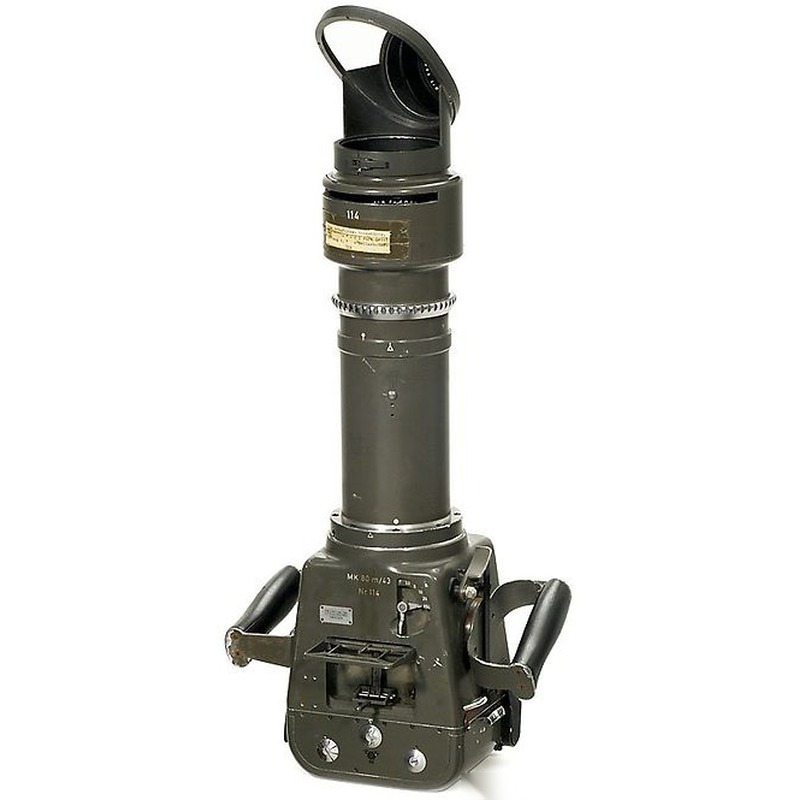
The Hasselblad 1600F holds a pivotal place as the Swedish manufacturer's first commercially produced camera after World War II, debuting in 1948. Its significance stems primarily from introducing Hasselblad's iconic modular system: a central body with interchangeable lenses, film magazines, and viewfinders. This design philosophy prioritized versatility and repairability in the field, setting a new standard for professional medium format cameras. While the name "1600F" referred to its claimed 1/1600s top shutter speed, the focal plane shutter proved unreliable in early models, often prone to sync failures and inaccuracies, which hampered its immediate professional uptake. Despite these flaws, the 1600F established the foundation upon which Hasselblad would build its legendary reputation, particularly cementing its role in history when a modified 1600F was used by astronaut Walter Schirra to capture images from the Mercury-Atlas 6 mission in 1962. Its boxy, angular design, crafted primarily from metal, became synonymous with Hasselblad's utilitarian yet elegant aesthetic.
The camera utilized 120 roll film to produce 6x6 cm negatives or slides, appealing to professional photographers seeking higher image quality than 35mm. Key features included a waist-level finder for precise composition and a removable film back, allowing for quick film changes in studio or field environments. Although overshadowed later by the more reliable 500C series (introduced in 1957) which adopted the leaf shutter design, the 1600F's modular concept proved revolutionary. It demonstrated the viability of a compact, highly modular medium format system, directly influencing subsequent camera designs and paving the way for Hasselblad's dominance in commercial, advertising, and documentary photography throughout the mid-20th century. Its limited production run (1948-1953) means surviving examples are relatively scarce today.
Specifications
| Film Format | 120 |
/main.jpg)
/main.jpg)
/main.jpg)
 Enjoy this museum? Support on Ko-fi