Pricing
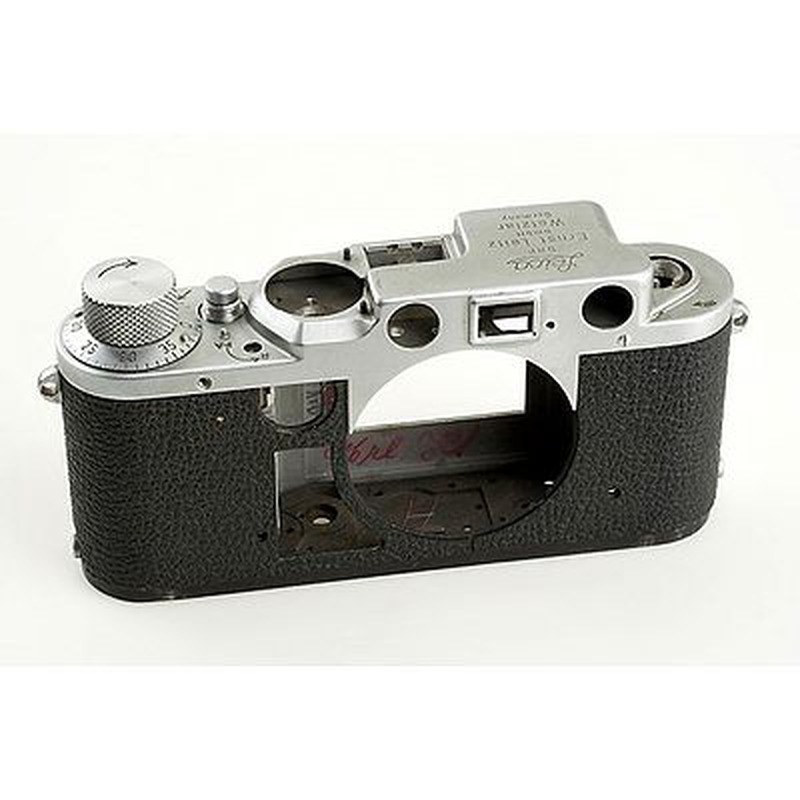
Leica IIIc Cut-Away
Leica · Germany · 1940–1946 (6 years) · 135 film
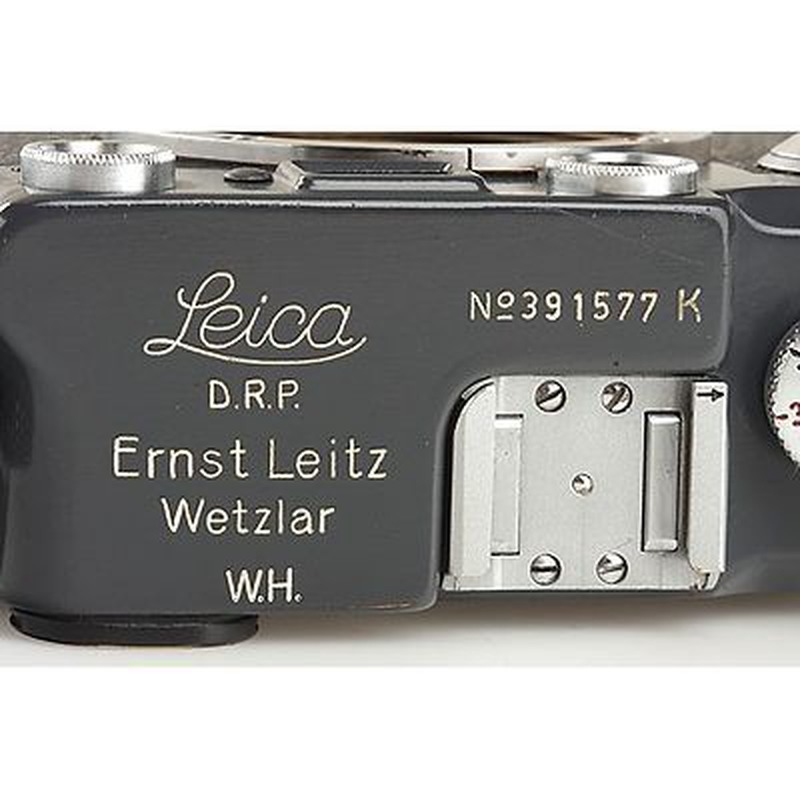
The Leica IIIc Cut-Away represents a unique variation of Leica's most important pre-war and wartime camera model. Produced between 1940 and 1946, alongside the standard IIIc which saw service with military and civilian photographers during World War II, the Cut-Away version was explicitly created as a demonstration and teaching tool. Unlike the standard IIIc, which was housed in a robust metal body, the Cut-Away features sections of its magnesium alloy chassis and internal mechanisms meticulously cut away or replaced by transparent panels. This dissection provided an unparalleled, visual education for students, technicians, and potential buyers into the complex workings of the Leica's focal-plane shutter, coupled rangefinder system, and film transport mechanism. It embodies the engineering excellence and meticulous craftsmanship that made Leica cameras the benchmark for small format photography, even under the severe constraints of wartime production.
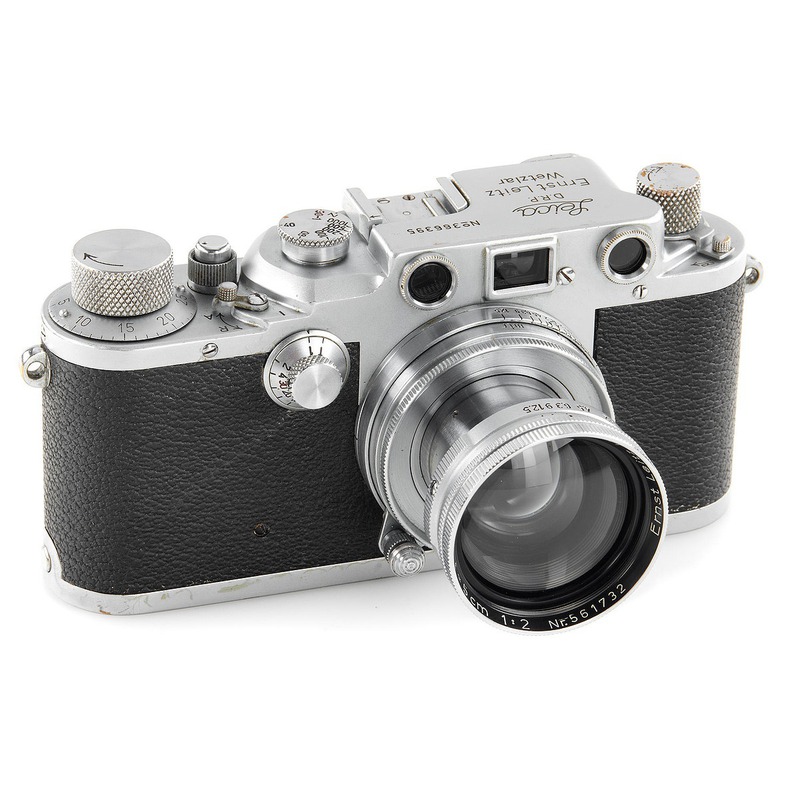
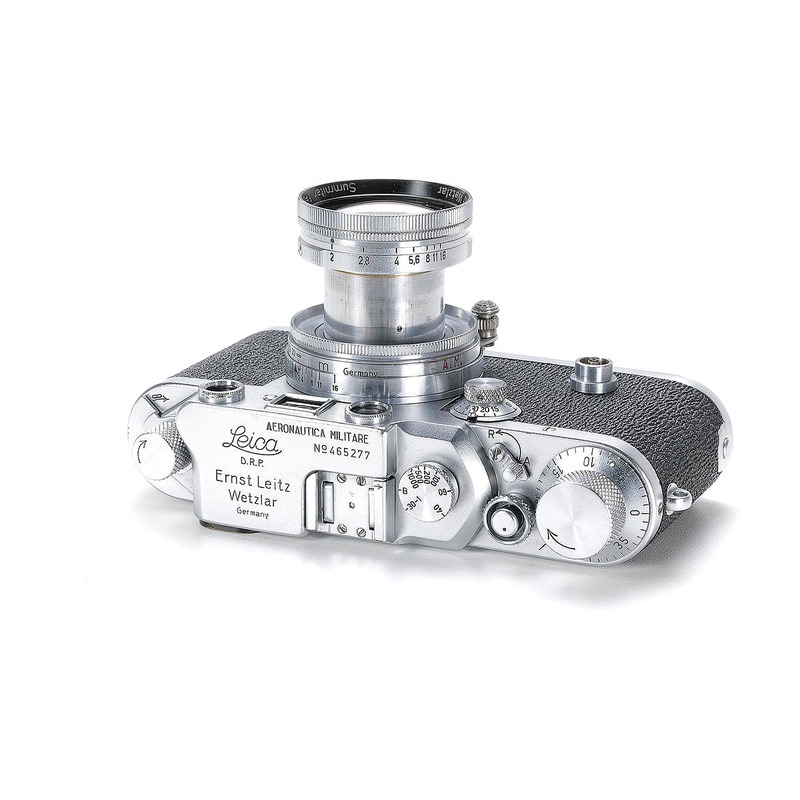
While sharing the core specifications of the standard IIIc—35mm format, focal-plane shutter with speeds from 1s to 1/1000s, coupled rangefinder for precise focusing with 50mm and longer lenses, and interchangeable lens mount—the Cut-Away's sole purpose was revelation. Its existence underscores Leica's commitment to education and transparency about their technology during a period when the camera itself was a revolutionary tool. Standard IIIc cameras carried by figures like Robert Capa and David Seymour documented pivotal moments, shaping photojournalism; the Cut-Away, however, served a different, equally critical role in fostering understanding and appreciation of the advanced mechanics that enabled that documentary power. It is a rare and fascinating artifact from one of the most pivotal eras in photographic history.
Specifications
| Film Format | 135 |
_'W.H.'_(Wehrmacht_Heer)/main.jpg)
/main.jpg)
 Enjoy this museum? Support on Ko-fi