Pricing
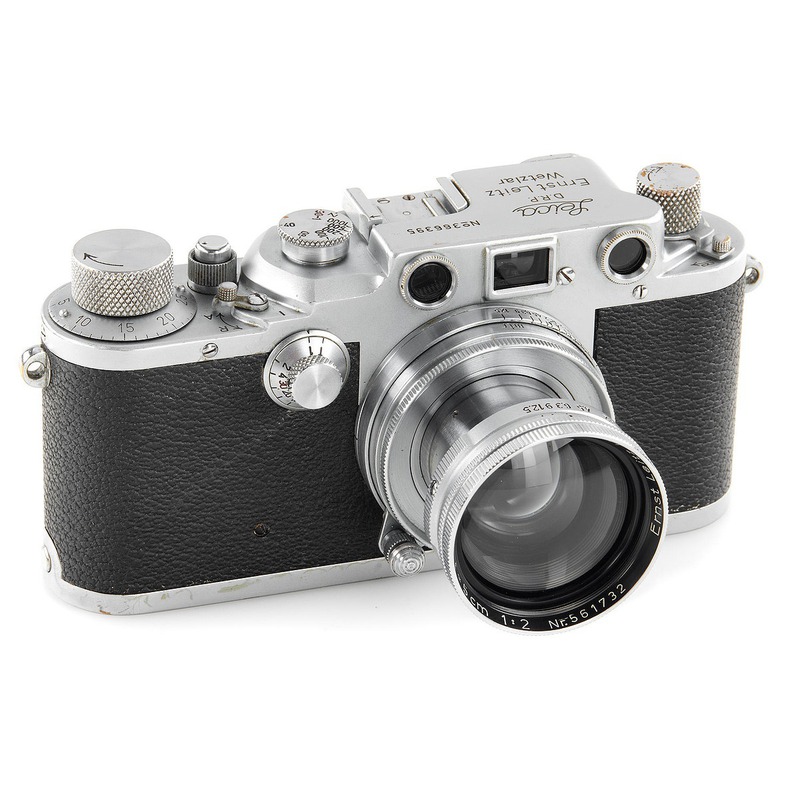
Leica IIIc
Leica · Germany · 1940–1951 (11 years) · 135 film
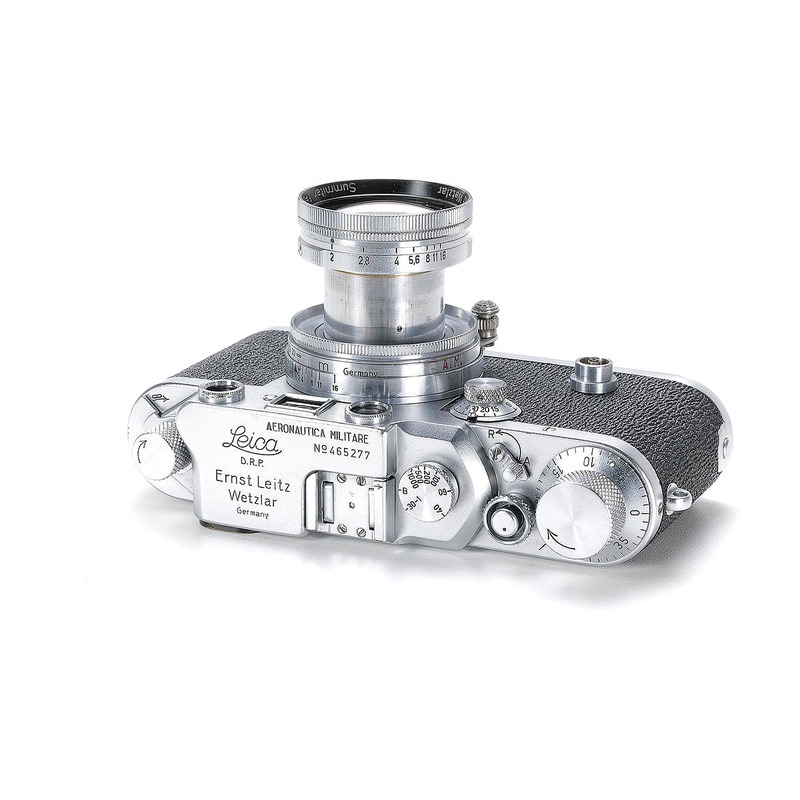
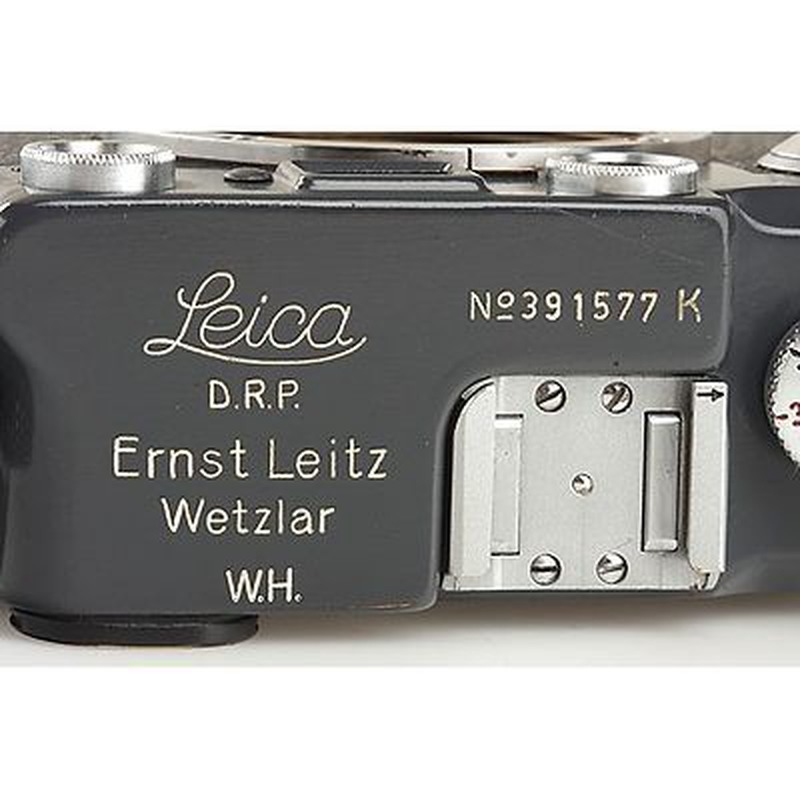
The Leica IIIc represents a crucial chapter in the evolution of 35mm photography, particularly as the preferred tool for photojournalists documenting World War II and its immediate aftermath. Produced continuously from 1940 to 1951, this robust rangefinder camera embodied Leica's engineering excellence during a period of extreme historical significance. Its most notable technical achievement was the integrated rangefinder and viewfinder system, coupled to precision Leitz Elmar or Summar lenses, enabling accurate focusing in challenging field conditions—a vital advantage for photographers working in the midst of conflict. The camera featured a focal-plane shutter with speeds from 1 second to 1/500th second, supplemented by a dedicated slow-speed dial, offering versatility for both action photography and deliberate composition.
During the war years, the IIIc became an extension of the photographers who used it, including legendary figures like Robert Capa and David Seymour (Chim), whose captured images have become permanent fixtures in our collective visual memory of the era. Its sturdy construction and reliability under harsh conditions cemented its reputation as a workhorse camera that could be counted on when failure was not an option. While simpler than later models like the Leica M3 with its bayonet lens mount, the IIIc maintained the core functionality that had made Leica cameras the standard for serious photographers. The camera bridged the technological gap between the earlier Leica III models and the post-war IIIf, embodying the resilience and precision that would continue to define the Leica brand for decades to come.
Specifications
| Film Format | 135 |
_'W.H.'_(Wehrmacht_Heer)/main.jpg)
/main.jpg)
 Enjoy this museum? Support on Ko-fi