Pricing
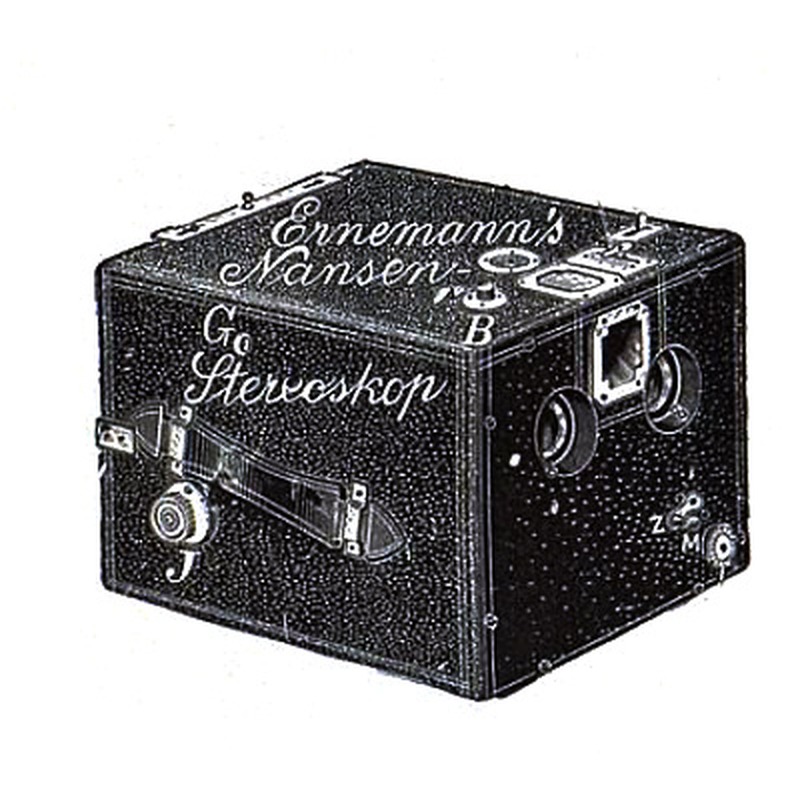
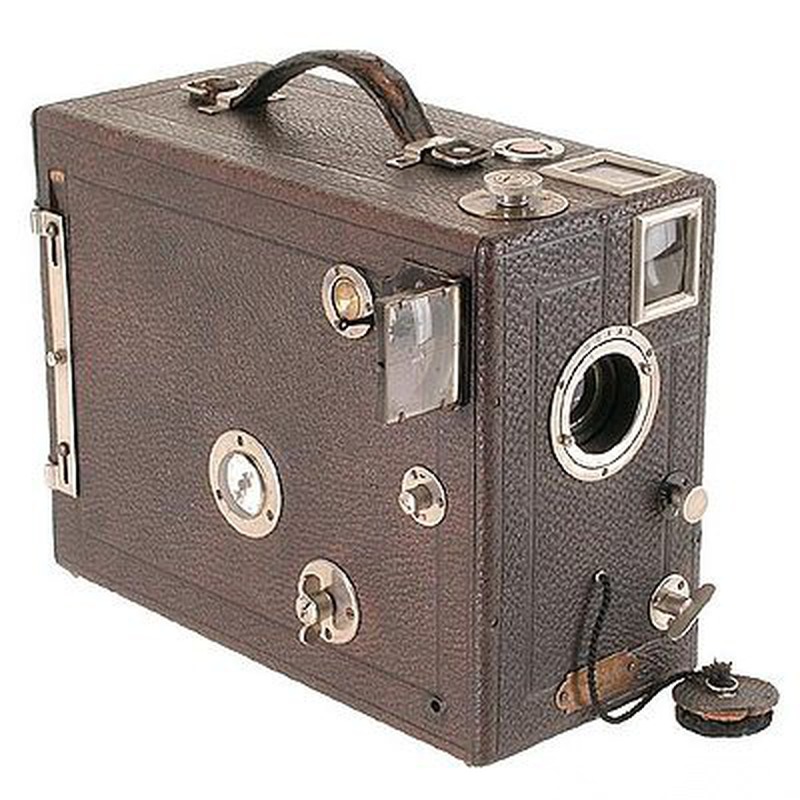
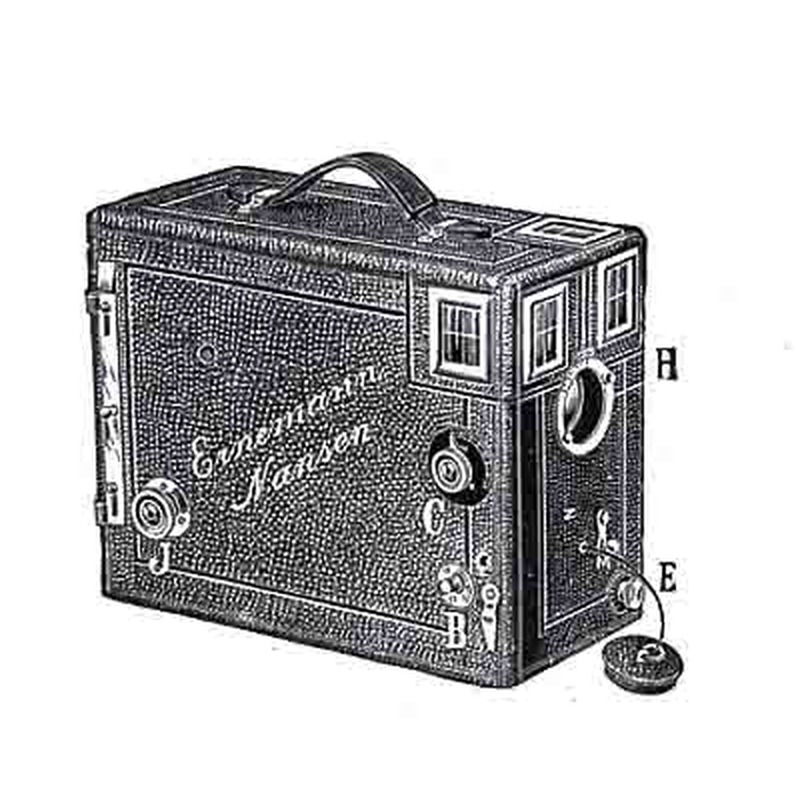
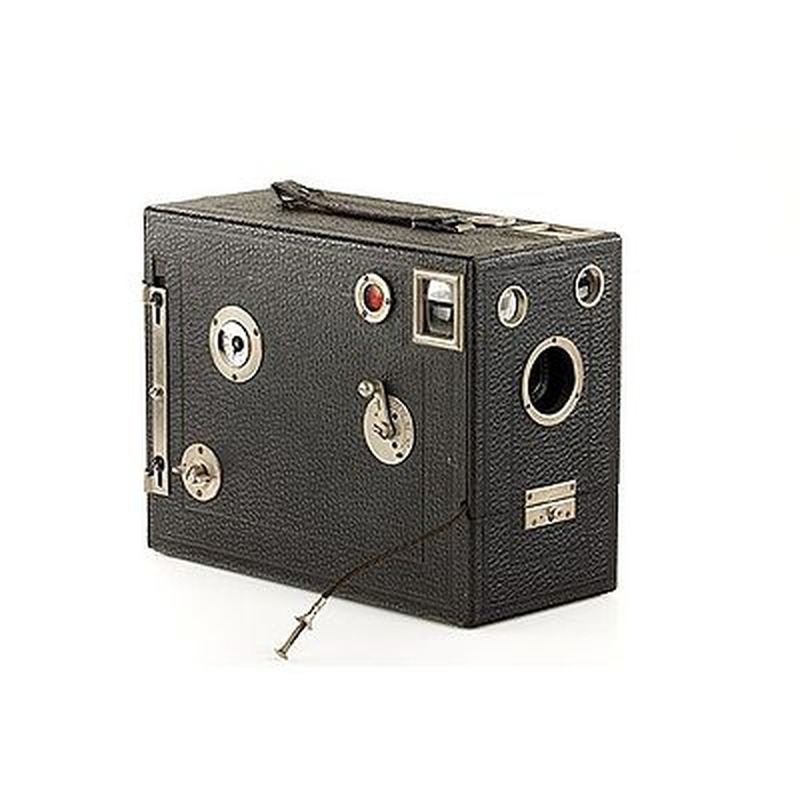
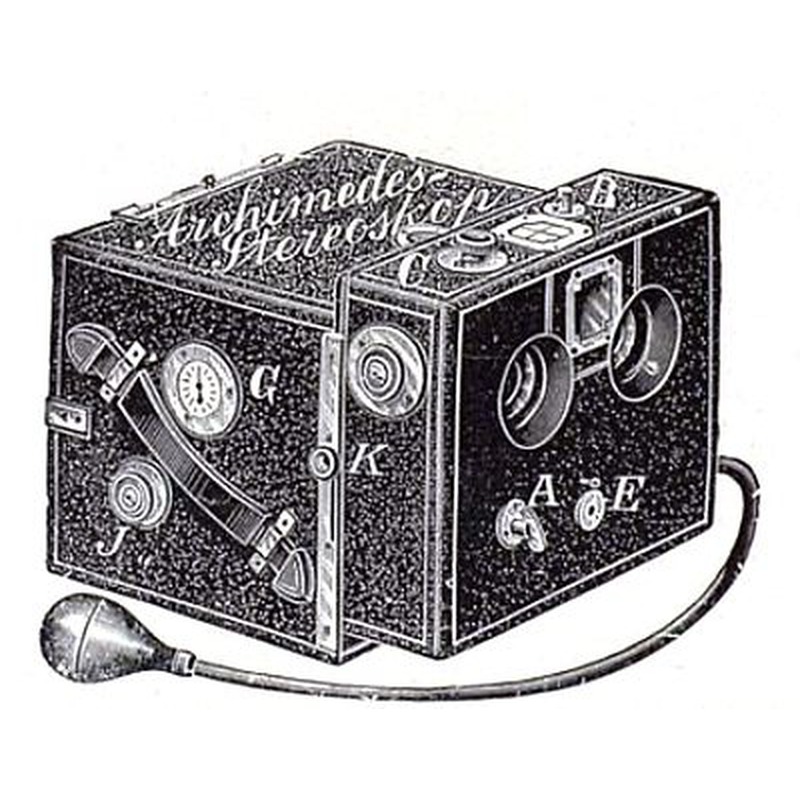
Ernemann Nansen Stereo
Ernemann · Germany · 1896–1906 (10 years) · 135 film
The Ernemann Nansen Stereo, produced from 1896 to 1906, represents an early adoption of the 35mm format in specialized stereo cameras. As a stereo camera, it was designed to capture two slightly offset images simultaneously, allowing for the creation of three-dimensional photographs when viewed through a stereoscope. Ernemann, a reputable German optical manufacturer, was among several companies experimenting with small-format photography during this period, before the 35mm format would later dominate the industry. The camera likely featured basic construction typical of Ernemann's products of the era, with a robust but not particularly innovative design suitable for the amateur stereo photography market of its time.
The Nansen Stereo's primary significance lies in its early implementation of 35mm film, which would eventually become the standard format for amateur and professional photography worldwide. Stereo photography had established a following by the late 19th century, and the Nansen Stereo represents Ernemann's contribution to this specialized field. The camera was produced during a transitional period when manufacturers were exploring various formats and applications, with the 35mm format slowly gaining traction alongside larger roll films and glass plates. While not a revolutionary design or particularly influential in the broader history of photography, the Nansen Stereo provides insight into the diverse landscape of camera production during the turn of the 20th century.
Specifications
| Film Format | 135 |
/main.jpg)
 Enjoy this museum? Support on Ko-fi