Pricing
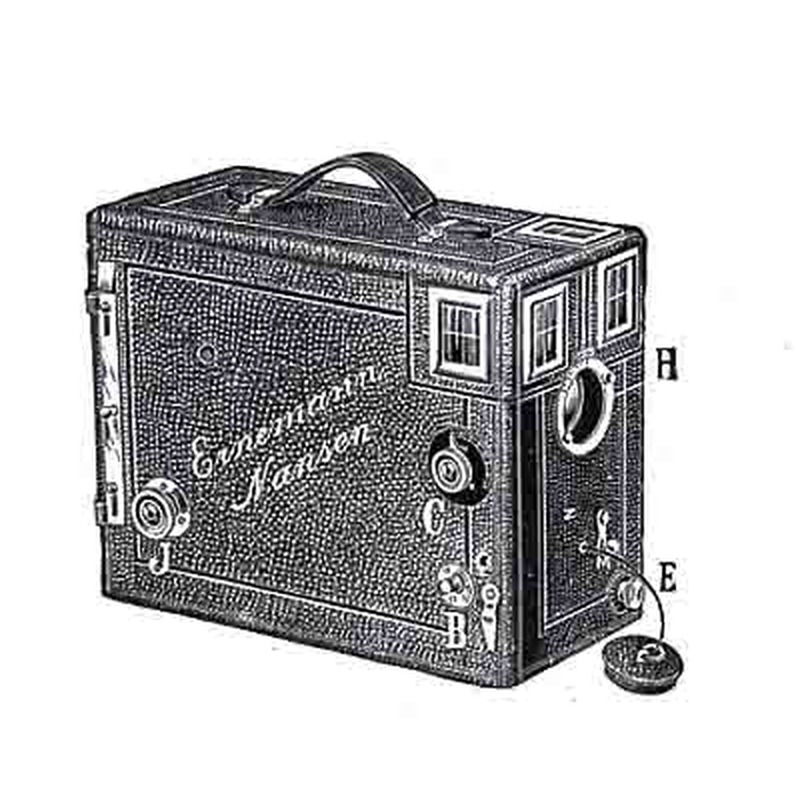
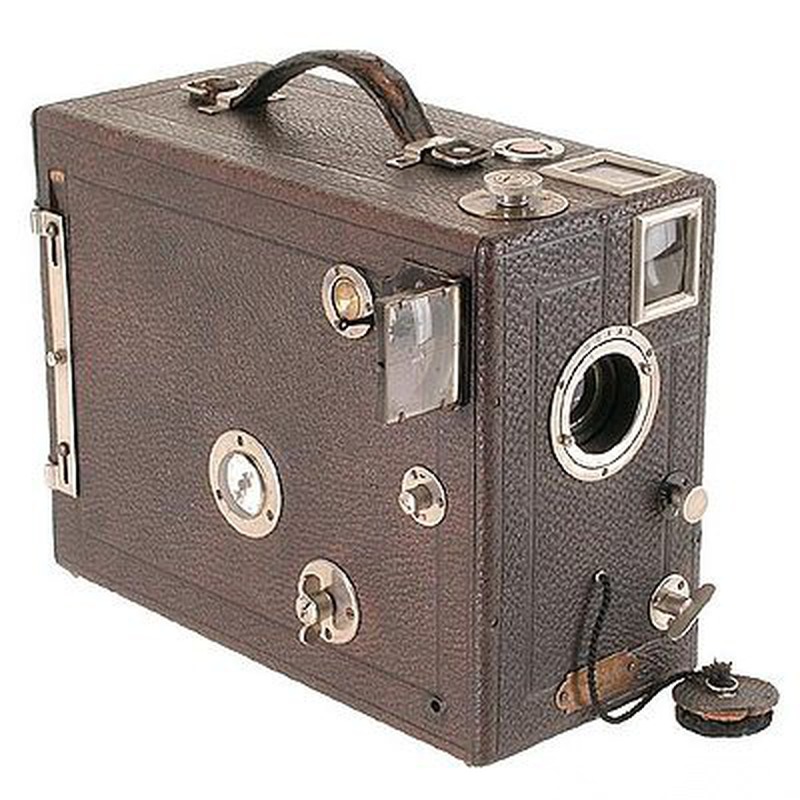
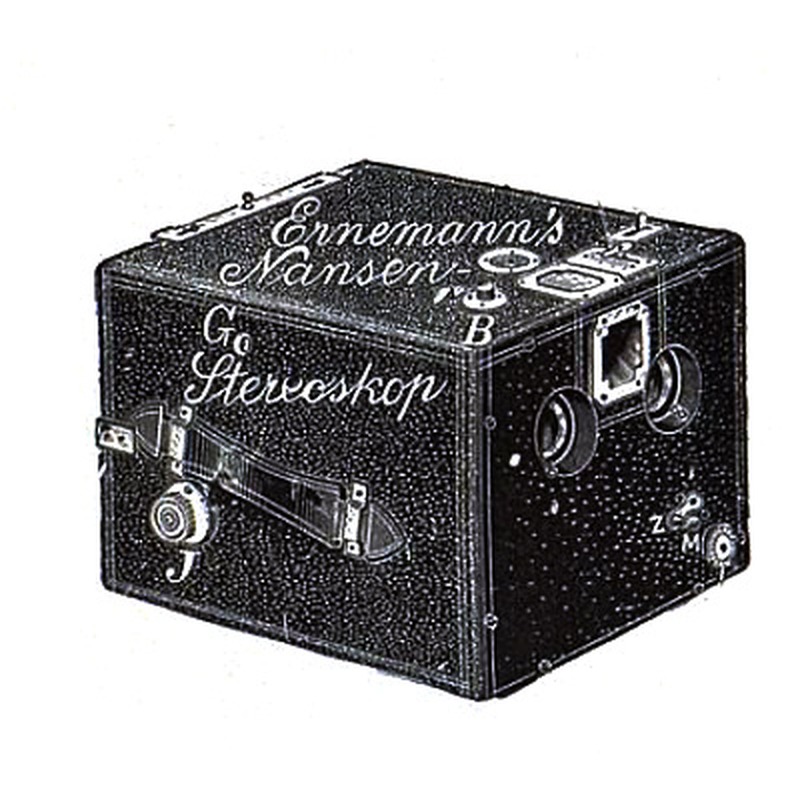
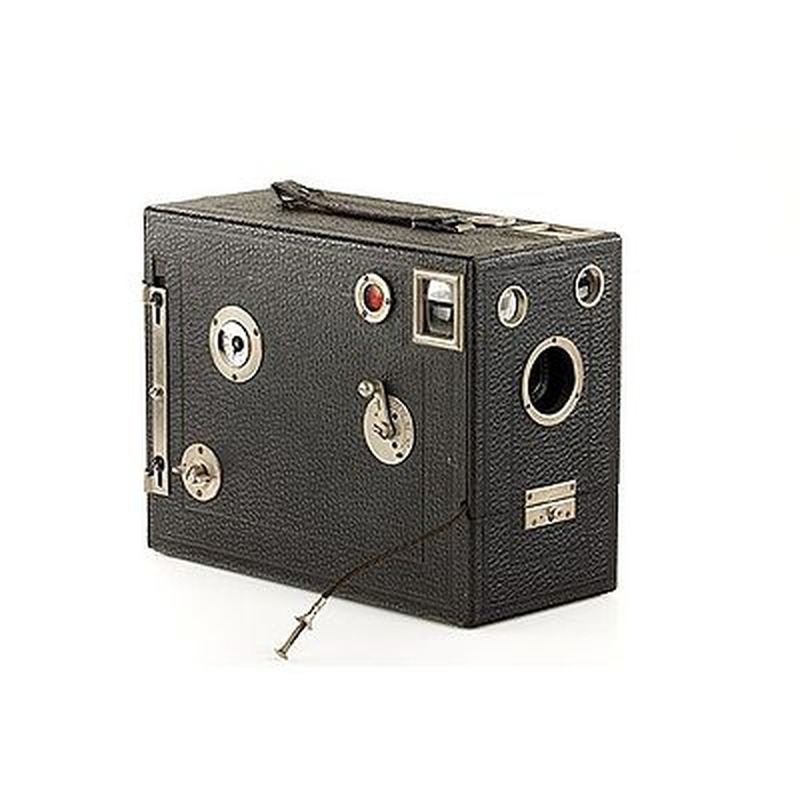
Ernemann Nansen
Ernemann · Germany · 1896–1906 (10 years) · 135 film
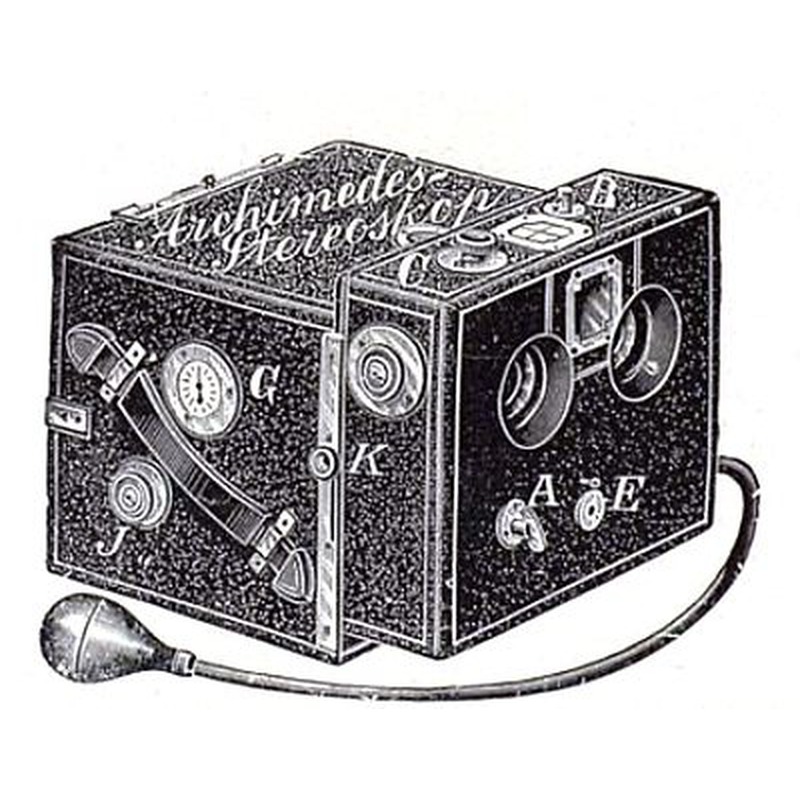
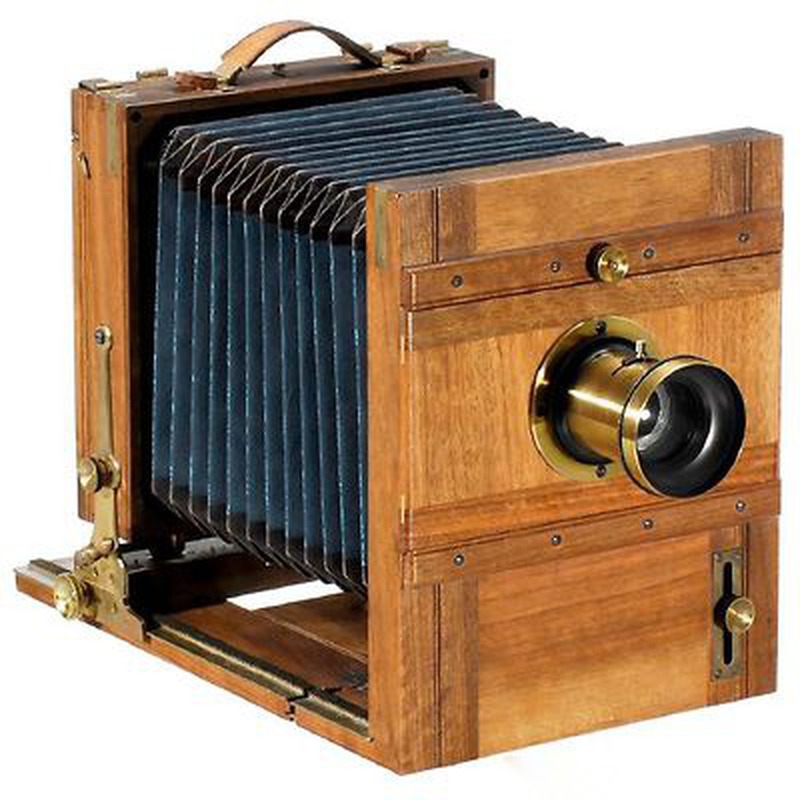
The Ernemann Nansen represents a significant early attempt at popularizing the 35mm format, predating Leica's groundbreaking work by decades. Produced in Dresden between 1896 and 1906, it utilized 35mm film (135 format) in cassettes, a novel approach at the time when larger glass plate or roll film formats dominated the market. It was likely a simple, relatively compact folding camera, perhaps employing a basic viewfinder and lens system typical of its era and intended for amateur photographers seeking greater portability. While specific technical details and innovations are scarce due to its age and limited documentation, its existence during this period underscores Ernemann's progressive role in exploring smaller, more convenient photographic formats before they became the industry standard. The Nansen stands as an important, though perhaps less polished, precursor to the 35mm revolution that would define 20th-century photography.
Specifications
| Film Format | 135 |
/main.jpg)
 Enjoy this museum? Support on Ko-fi