/main.jpg)
Pricing
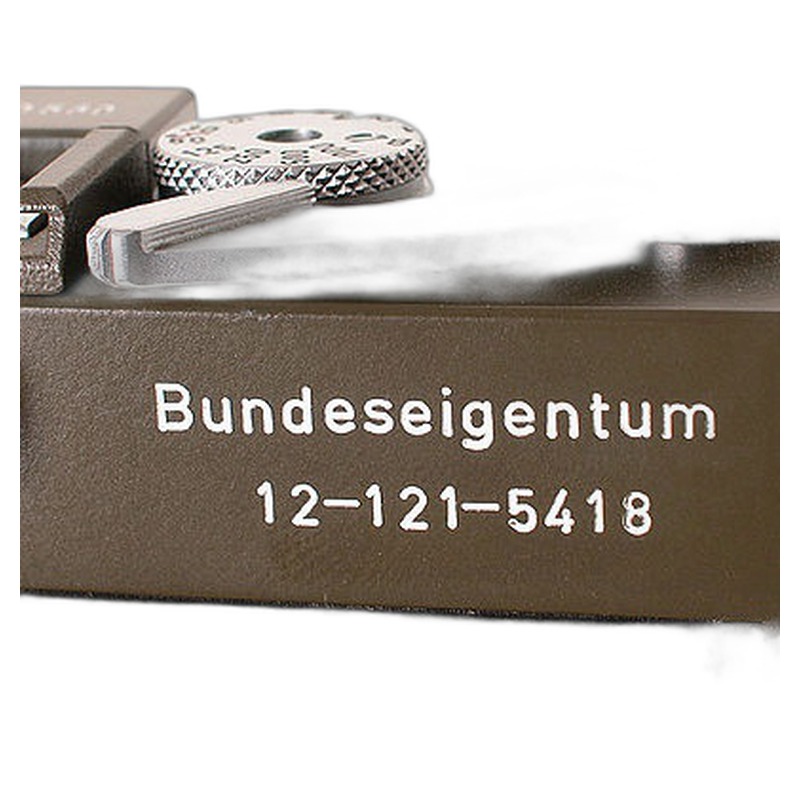
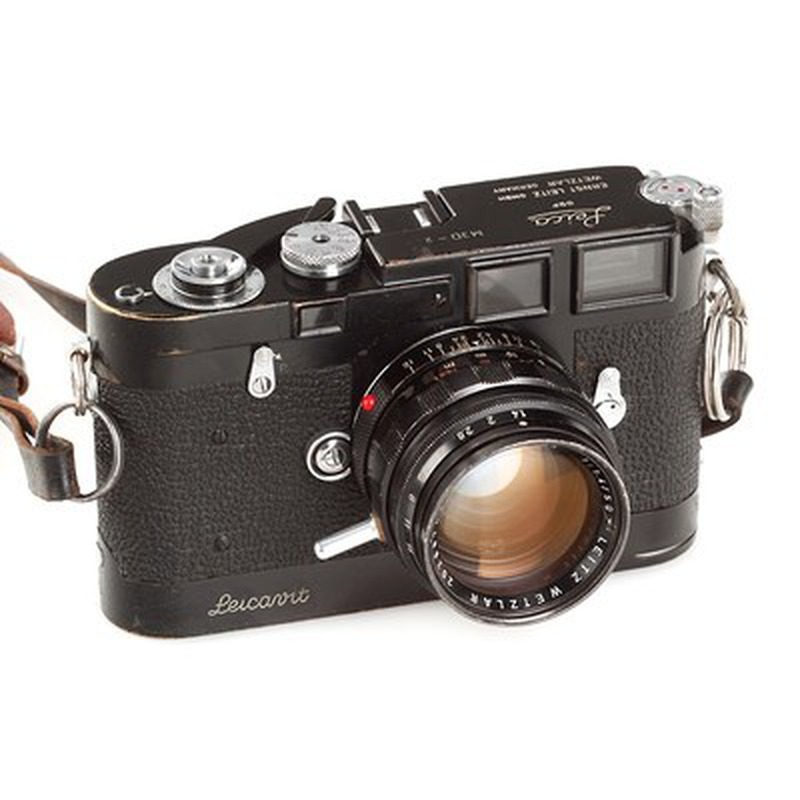
Leica MP Prototype (chrome, M3)
Leica · Germany · 1955–1956 (1 years) · 135 film
The Leica MP Prototype (chrome, M3) stands as a crucial artifact in the evolution of 35mm photography, representing a pre-production version of the revolutionary M3 that Leica would introduce in 1954. This prototype embodies the technical innovations that would make the M3 one of the most influential rangefinder cameras in history, including its combined viewfinder and rangefinder system with automatic parallax correction and brightline frames for 50mm, 90mm, and 135mm lenses. The M3's introduction marked a significant departure from Leica's earlier models, offering a larger, brighter viewfinder, a rapid film advance lever, and a more robust bayonet lens mount, setting new standards for precision engineering and optical excellence in 35mm photography.
As a prototype, this MP model likely showcases experimental features or manufacturing techniques that Leica was evaluating before committing to the final production design. The chrome finish not only provided a distinctive aesthetic but also protected the camera's precision mechanisms from environmental factors. The M3's influence extended beyond its technical specifications; it became the camera of choice for many of the era's most influential photographers, including Henri Cartier-Bresson, who valued its quiet operation, reliability, and exceptional image quality. This prototype represents an important moment in Leica's continuous innovation process, bridging the gap between the earlier M-series models and the M3's eventual production form, while offering a glimpse into the meticulous engineering that has made Leica cameras synonymous with photographic excellence.
Specifications
| Film Format | 135 |
/main.jpg)
/main.jpg)
/main.jpg)
 Enjoy this museum? Support on Ko-fi