
Pricing
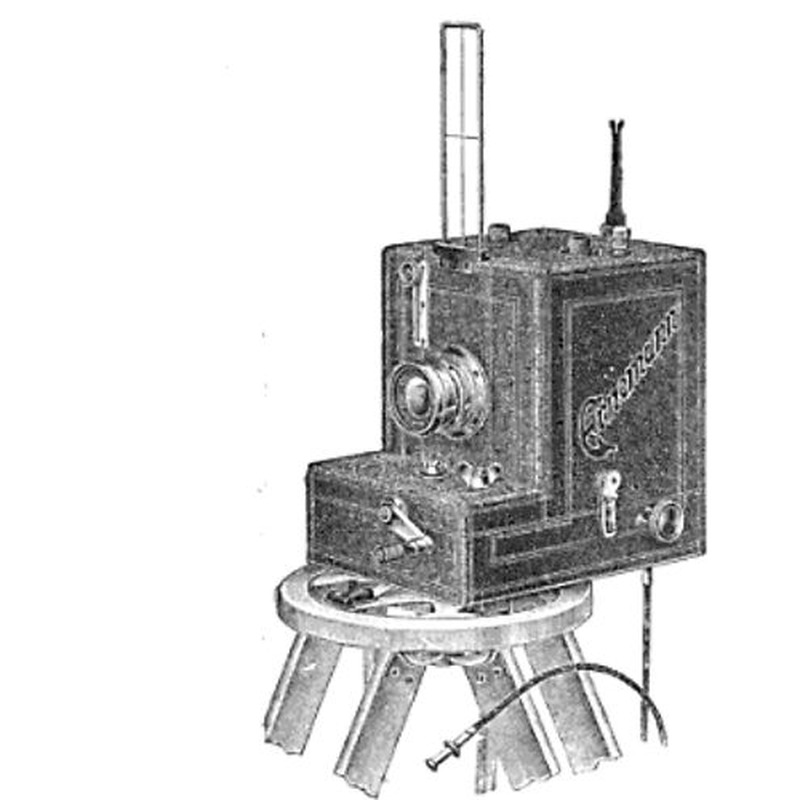
Ernemann Globus E
Ernemann · Germany · 1907–1913 (6 years) · 135 film
Produced by the German company Ernemann from 1907 to 1913, the Globus E represents an early, albeit largely undocumented, attempt at utilizing the 135 film format (35mm). At a time when roll film dominated amateur photography and large formats reigned for serious work, the 135 format offered significant advantages in compactness and convenience, though its path to widespread acceptance was still being paved. The Globus E likely embodied the growing demand for smaller, more portable cameras, targeting photographers seeking to lighten their load without sacrificing the relative simplicity of roll film systems. While specific details about its features are scarce, its production window places it firmly among the earliest practitioners of the format that would later become the industry standard, making it a notable artifact in the pre-Leica era of miniature photography.
As an early 35mm camera, the Globus E filled a niche for enthusiasts willing to experiment with a new format and smaller form factors compared to contemporary plate or roll-film cameras. Its unknown type designation suggests it might have been a simple, fixed-lens model aimed at the advanced amateur market, prioritizing ease of use over complexity or cutting-edge optics. Its existence underscores the innovative, if sometimes fragmented, landscape of camera manufacturing in Europe before World War I, where companies like Ernemann were actively exploring smaller formats to meet evolving user preferences. While not achieving the legendary status of later 35mm cameras, the Globus E holds importance as a tangible example of the foundational experiments that ultimately led to the miniature camera revolution.
Specifications
| Film Format | 135 |
/main.jpg)
/main.jpg)
_(Tropical)/main.jpg)
 Enjoy this museum? Support on Ko-fi