Pricing
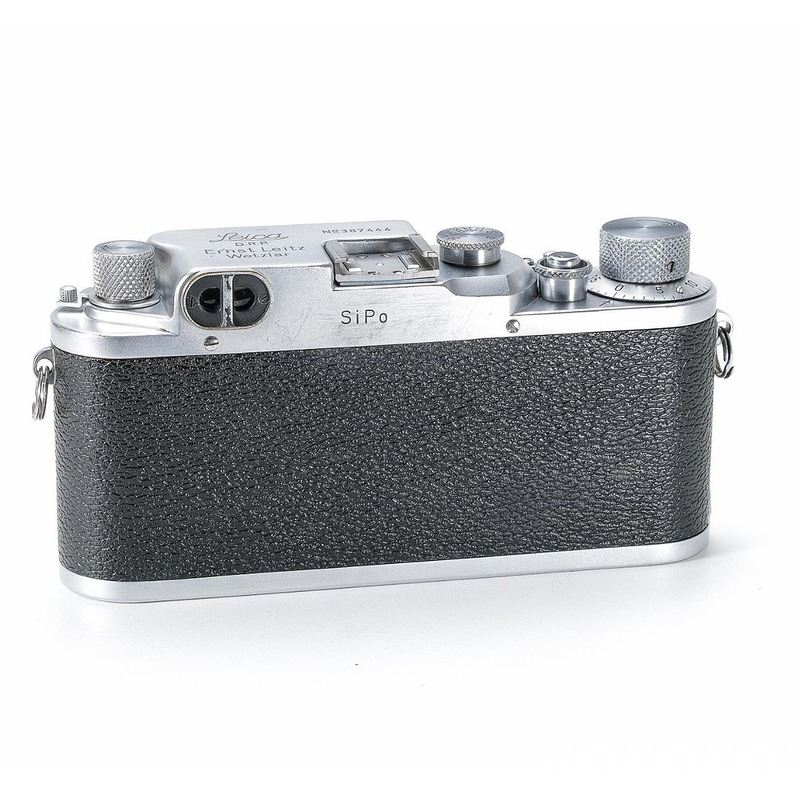
Leica IIIc 'SiPo'
Leica · Germany · 1942 · 135 film
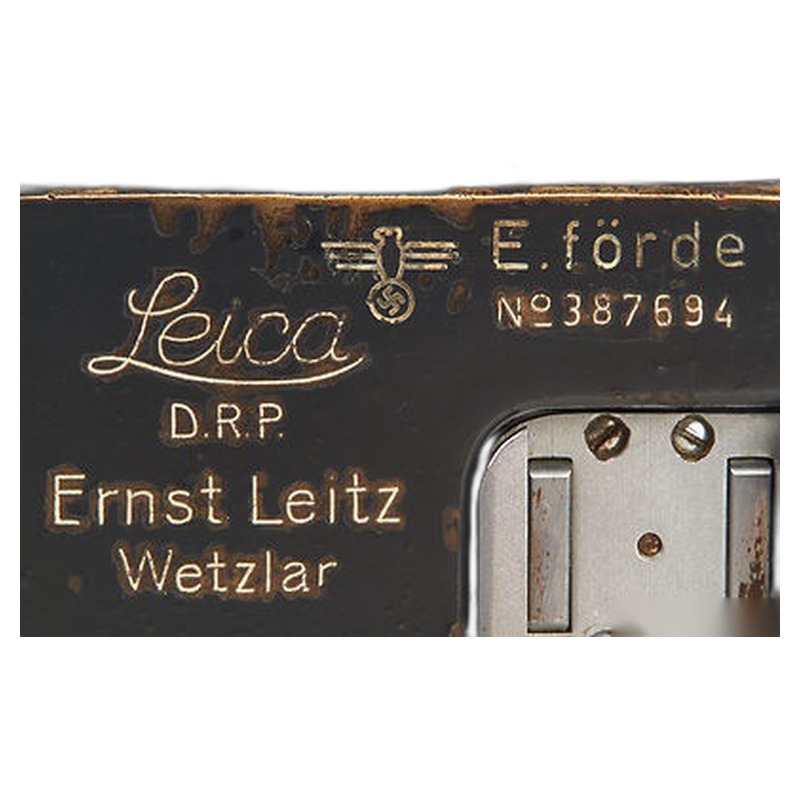
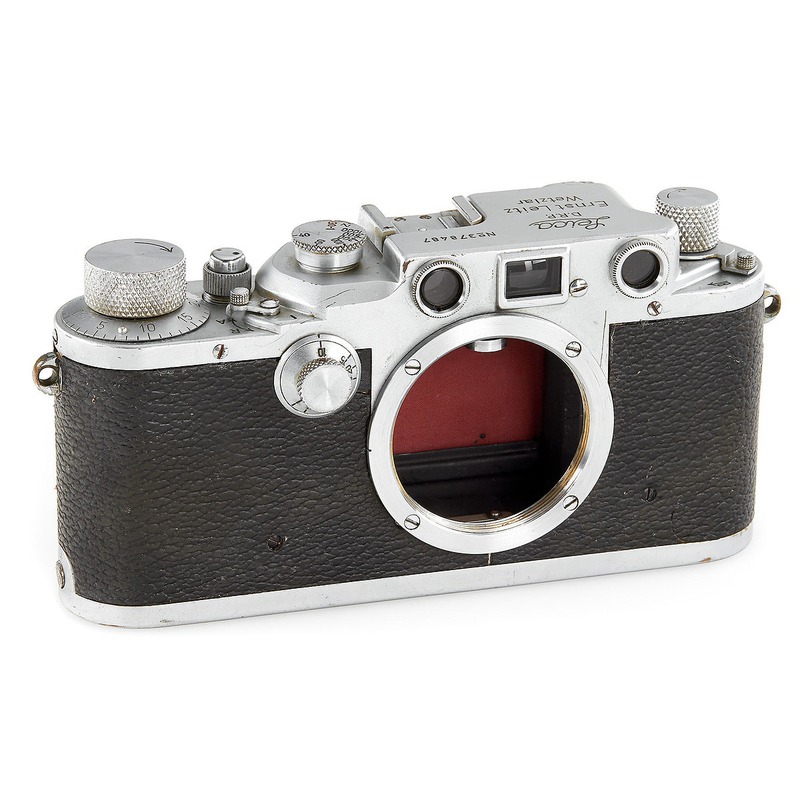
The Leica IIIc, introduced in 1942, stands as a significant refinement of Leica's classic rangefinder line during a tumultuous period. Produced for the German market and military throughout World War II, this model featured a crucial innovation: the first die-cast body for a Leica, replacing the earlier stamped steel construction. This offered greater structural rigidity and precision while conserving scarce wartime materials. Retaining the fundamental Leica design ethos – coupled rangefinder/viewfinder, interchangeable lenses, and the reliable focal-plane shutter – the IIIc maintained the compactness and robust engineering that defined the system. Its production spanned the war years, making it a tool of photojournalists, soldiers, and officials, including notable figures like Heinrich Hoffmann, Adolf Hitler's personal photographer. The 'SiPo' designation specifically refers to variant examples reportedly issued or used by the Sicherheitspolizei (Security Police), adding a layer of historical gravitas and rarity to surviving specimens.
Although not reaching the legendary status of later models like the M3, the Leica IIIc holds a firm place in photographic history as the workhorse rangefinder camera that documented the latter part of the war and the immediate post-war era. Its combination of proven performance, improved manufacturing techniques for the time, and the sheer volume produced cemented the Leica system's reputation as the premier 35mm camera for serious work. The 'SiPo' variants, while not a standard production model, represent a specific, documented adaptation of this important platform for a state security organization, linking a civilian photographic tool to the machinery of the Third Reich.
Specifications
| Film Format | 135 |
_(chrome,_wartime)/main.jpg)
/main.jpg)
_250_Rapid_Winder_(SCNOO-250)/main.jpg)
_250_with_motor/main.jpg)
 Enjoy this museum? Support on Ko-fi