Pricing
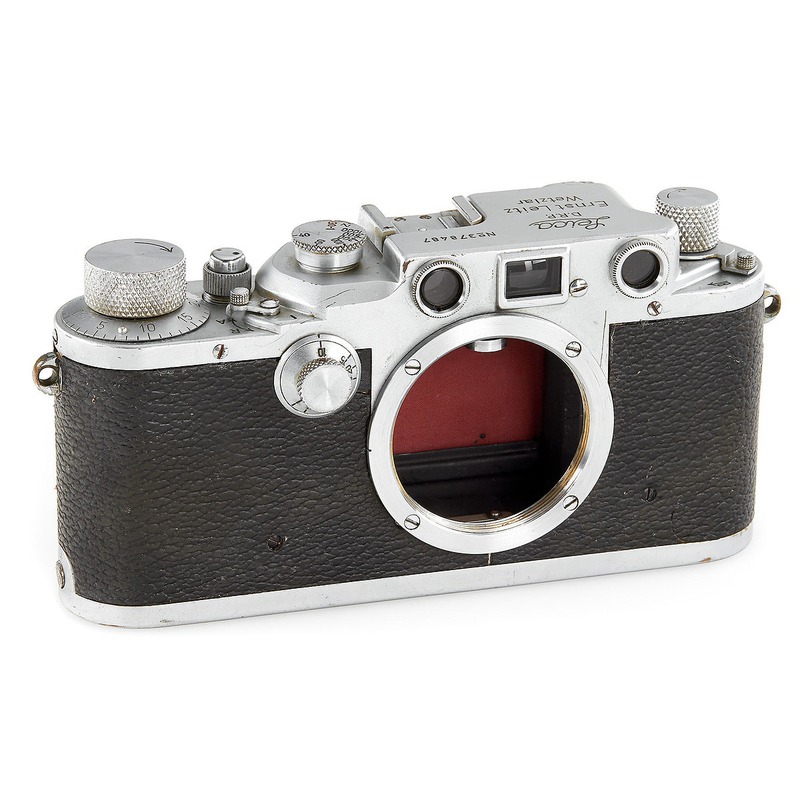
Leica IIIc 'P.A.I.'
Leica · Germany · 1942 · 135 film
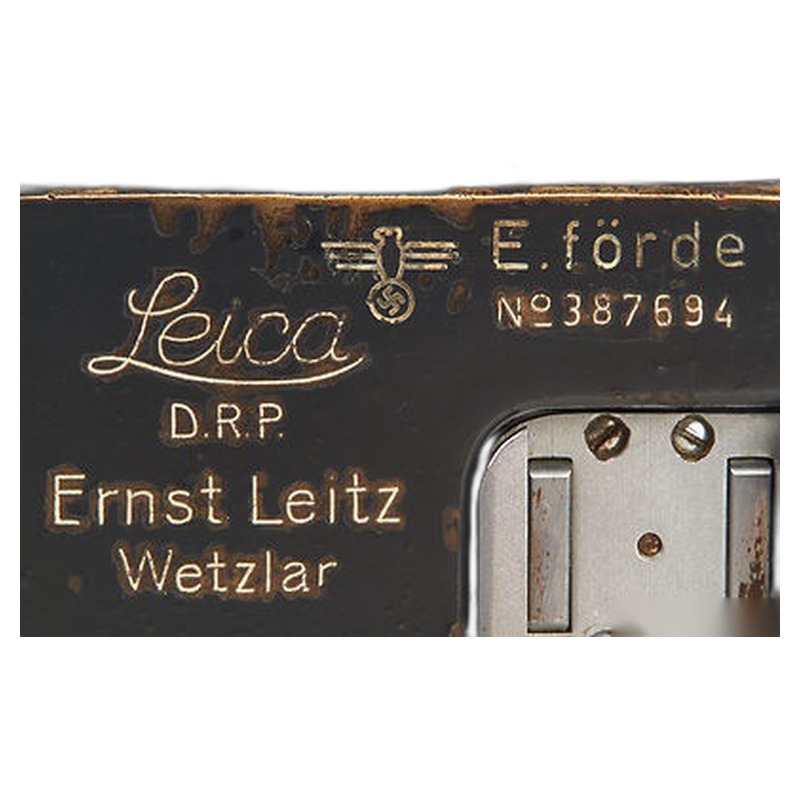
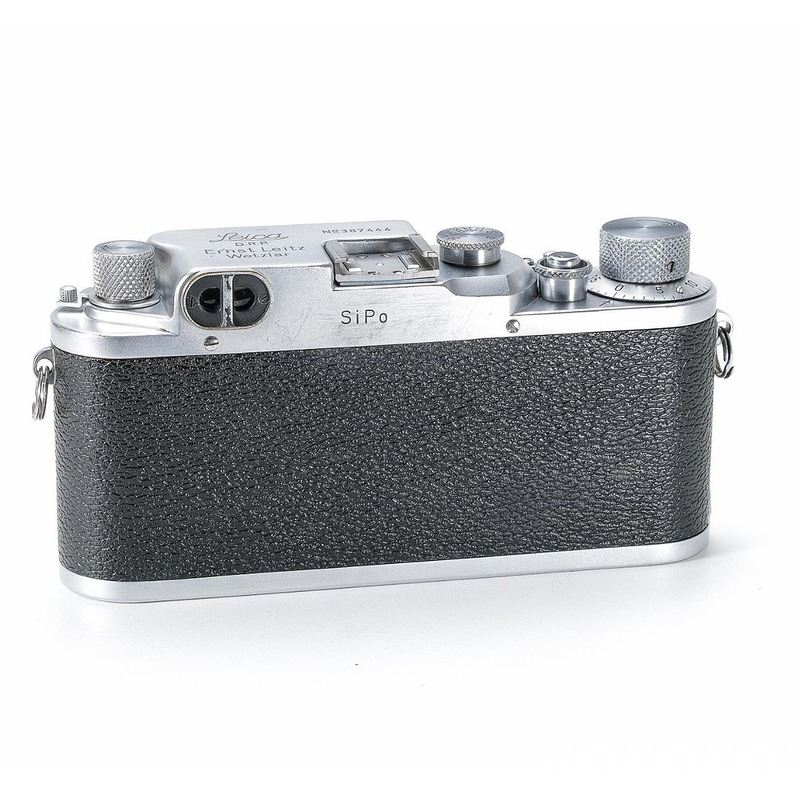
The Leica IIIc 'P.A.I.', introduced in 1942, represents a significant refinement in Leica's classic rangefinder line during the challenging years of World War II. As a 135 format (35mm) camera, it built upon the established IIIa chassis but featured a crucial innovation: the first Leica body die-cast in aluminum alloy, replacing the heavier brass construction of its predecessors. This reduced weight while maintaining Leica's legendary precision and durability. It retained the coupled rangefinder and viewfinder, offering combined and separate viewing for 50mm and 90mm lenses, and featured a slow shutter speed dial and film rewind crank, embodying the robust, functional design Leica was known for. Production occurred in Midland, Canada, due to German wartime disruptions, underscoring its importance to Leica's continuity.
Although not as universally iconic as later models, the IIIc was a workhorse crucial for photojournalists and photographers documenting the war and its aftermath. Its reliable build and excellent optics (when paired with Leitz lenses) made it a trusted tool for documenting history. The 'P.A.I.' designation likely denotes a specific variant or potentially military use, reflecting its role during this turbulent period. Its solid, no-nonsense engineering and the enduring quality of Leica's rangefinder system cemented its status as a significant camera in the evolution of 35mm photography.
Specifications
| Film Format | 135 |
_(chrome,_wartime)/main.jpg)
/main.jpg)
_250_Rapid_Winder_(SCNOO-250)/main.jpg)
_250_with_motor/main.jpg)
 Enjoy this museum? Support on Ko-fi