Pricing
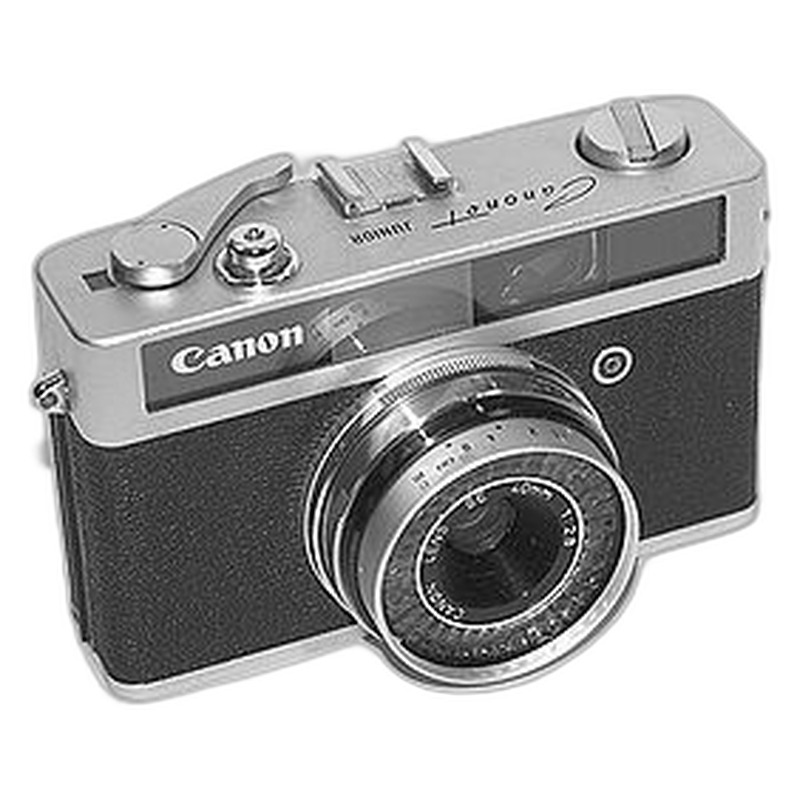
Canonet Junior
Canon · Japan · 1963 · 135 film
The Canonet Junior is a 35mm camera introduced by Canon in 1963 as an entry-level model in their Canonet series. As a budget-friendly option, it offered consumers an accessible gateway into 35mm photography during the early 1960s, a period when film cameras were becoming increasingly popular among amateur photographers. The camera features a straightforward design typical of entry-level cameras of its era, with basic functionality and likely a simple shutter system with fixed or limited lens options. The Junior served as Canon's effort to capture the growing market of photography enthusiasts who wanted quality equipment without premium pricing, positioning the brand among established competitors in the consumer camera segment.
Part of Canon's successful Canonet line that included more sophisticated models, the Junior represents the company's strategy of offering tiered products to meet different market segments. While not known for any significant technical innovations, the camera played a role in normalizing 35mm photography for everyday users, contributing to the broader shift away from larger format cameras that was occurring during the 1960s. Its production timeline places it at a pivotal moment in camera history when Japanese manufacturers like Canon were gaining international recognition and challenging European dominance in the camera market.
Specifications
| Film Format | 135 |
_red/main.jpg)
 Enjoy this museum? Support on Ko-fi