/main.jpg)
Pricing
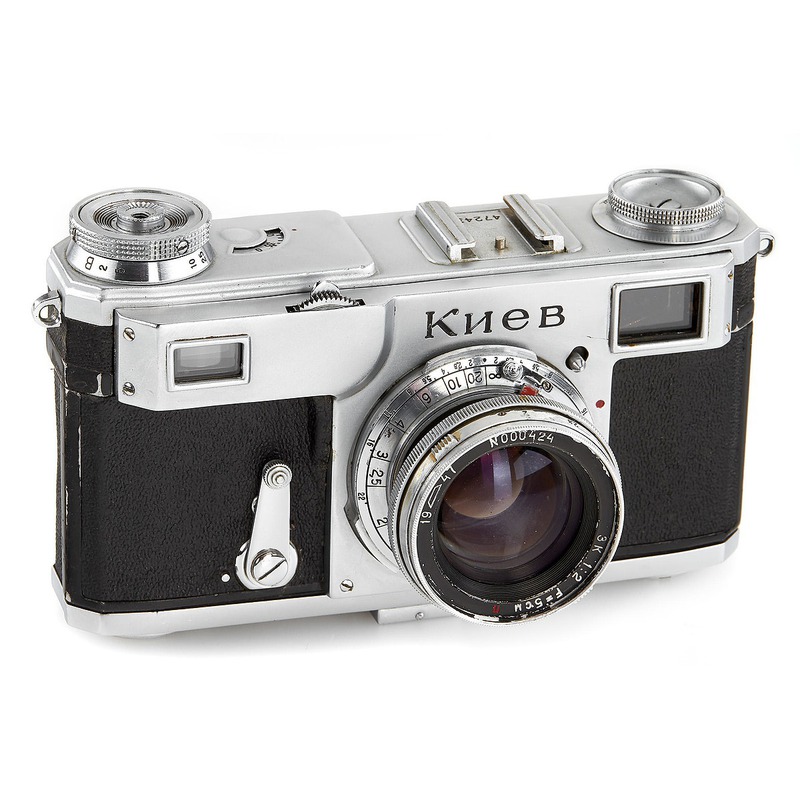
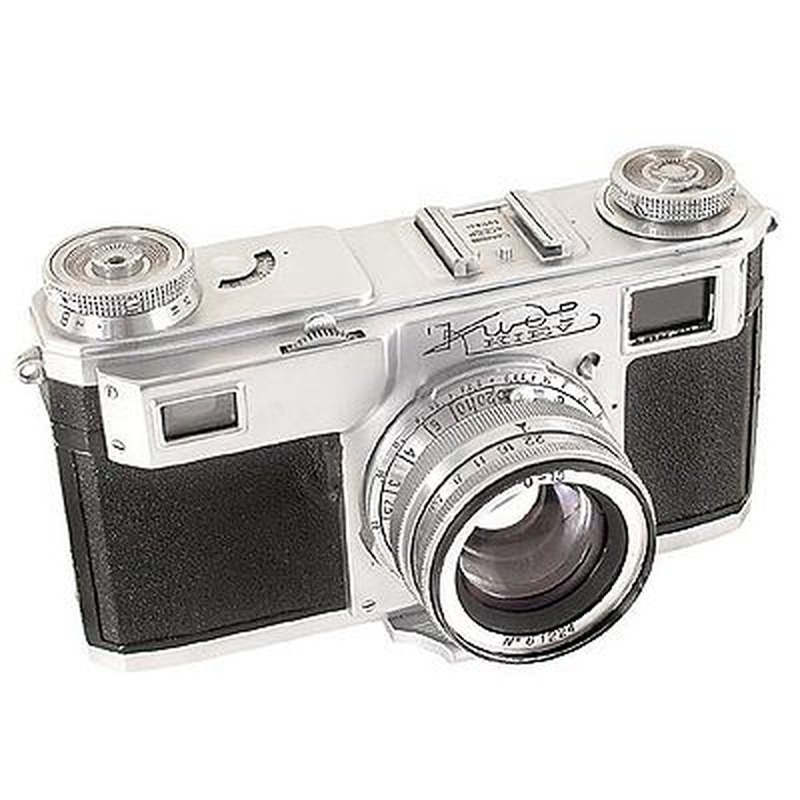
Kiev III (pre-series)
Kiev · Ukraine · 1948 · 135 film
The Kiev III (pre-series) is a 35mm rangefinder camera introduced by the Soviet Arsenal factory in Kiev in 1948. As an early post-war model, it represents a significant Soviet effort to establish a domestic 35mm camera industry following the upheaval of World War II. This pre-series version precedes the more commonly known Kiev 4, sharing a basic Leica II-inspired design but manufactured with locally sourced materials and Soviet mechanical systems. It offered photographers a compact, functional rangefinder camera at a fraction of the cost of contemporary West German models, fulfilling a need for affordable photographic equipment within the Eastern Bloc and for budget-conscious photographers internationally. While sharing the core rangefinder principle and 135 film format, its construction is utilitarian, prioritizing function over finesse, reflecting the industrial capabilities and economic priorities of post-war USSR manufacturing.
Built during a period of resource constraint, the Kiev III (pre-series) features a die-cast alloy body covered with vulcanite or leatherette, employing fairly basic mechanical controls and a coupled rangefinder system focused on usability rather than refinement. Its significance lies primarily in its role as one of the first Soviet-made 35mm cameras to reach the market after the war, serving as a practical tool for everyday photography for many who couldn't access expensive imports. It embodies the Soviet camera industry's initial steps into the 35mm format, marking a notable chapter in the history of affordable photographic technology, even if its technical innovations were derivative of pre-war German designs.
Specifications
| Film Format | 135 |
/main.jpg)
/main.jpg)
/main.jpg)
 Enjoy this museum? Support on Ko-fi