Pricing
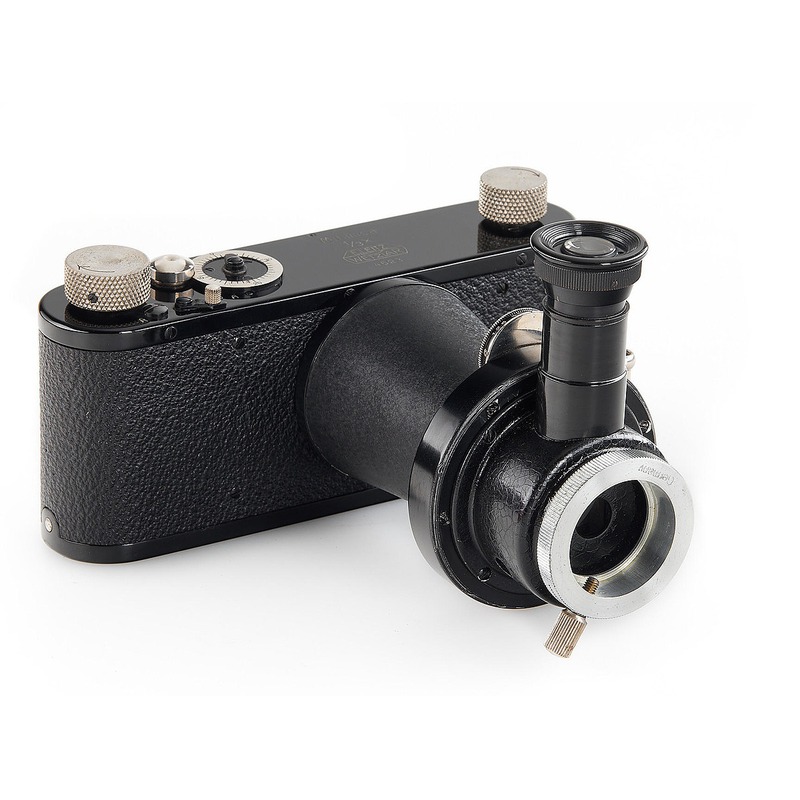
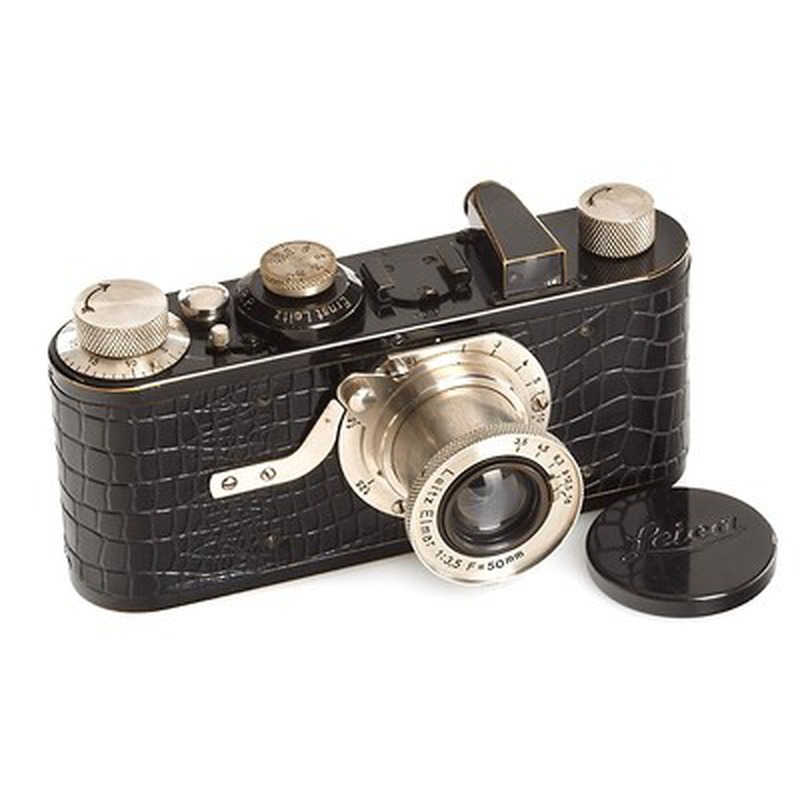
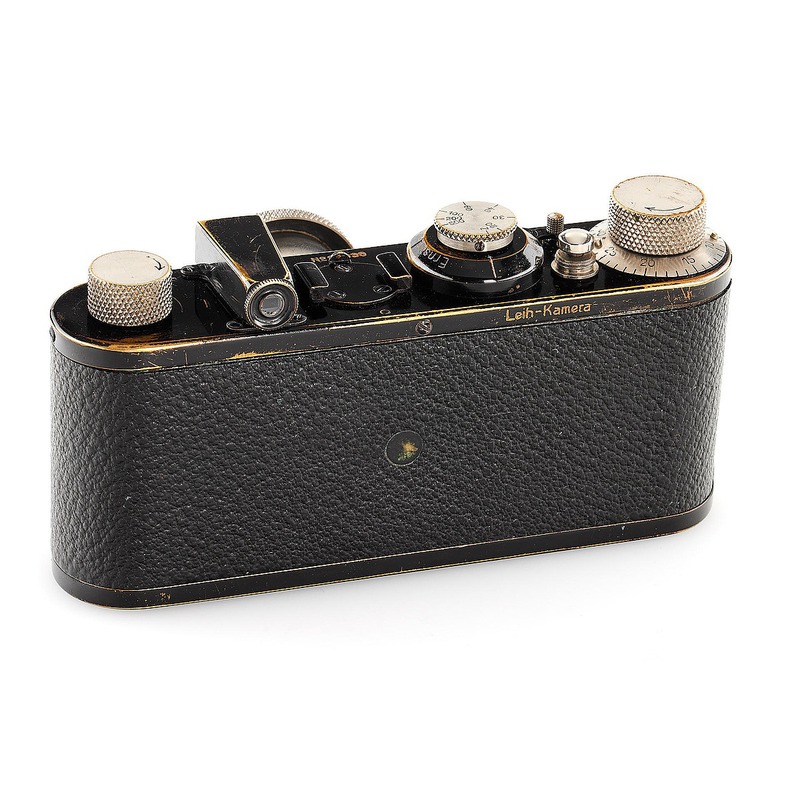
Leica Mifilmca
Leica · Germany · 1927 · 135 film
Introduced in 1927, the Mifilmca represents Leica's early expansion beyond its groundbreaking Leica I model, establishing itself within the burgeoning 35mm miniature camera format pioneered by the company just two years prior. While precise details of its specific model designation or variations within the Leica family are obscure, the Mifilmca shares the core design philosophy of Leica's era: compactness, robust construction, and the use of the standard 135 film cassette, fundamentally changing photography by making high-quality, portable equipment accessible. It leveraged Leica's initial innovations in precision engineering and miniature optics, contributing to the shift from cumbersome plate cameras to practical handheld tools for both professionals and serious amateurs during the late 1920s. Its existence underscores Leica's rapid diversification and market dominance in the nascent 35mm market solidifying the format's viability.
The Mifilmca, like its contemporary Leica siblings, featured a coupled rangefinder focusing system – a critical innovation at the time – and offered interchangeable lenses, though likely with a more limited initial selection compared to later models. Its build quality reflected Leica's reputation for precision mechanics, utilizing durable materials like brass and metal alloys within a compact body designed for durability in field use. While not achieving the legendary status of later models like the Leica III or M series, the Mifilmca played a significant role in cementing 35mm photography's practicality and popularity, providing photographers with a reliable, portable option that built directly upon the revolutionary foundation laid by the original Leica I. It remains an important, if less documented, piece of Leica's early history and the evolution of miniature cameras.
Specifications
| Film Format | 135 |
_Feathered_Arrows/main.jpg)
/main.jpg)
/main.jpg)
/main.jpg)
 Enjoy this museum? Support on Ko-fi