Pricing
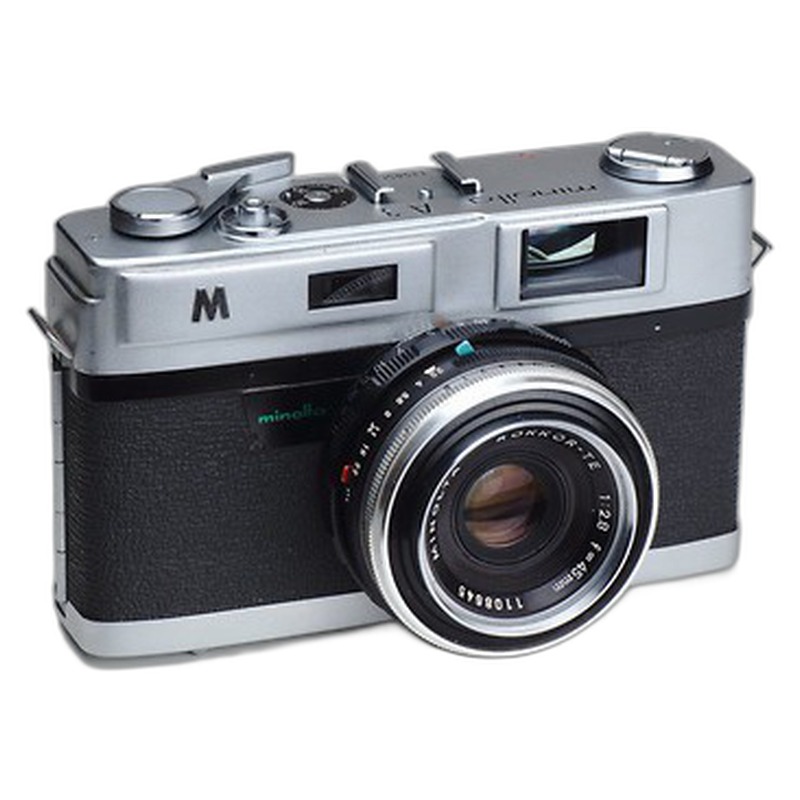
Minolta 35
Minolta · Japan · 1959 · 135 film
Emerging in the spring of 1947 from Chiyoda Kogaku, the Minolta-35 holds a significant place in post-World War II photographic history as the first successful new 35mm rangefinder camera produced after the conflict that adhered to the established Leica specifications. Its introduction marked a crucial milestone for Japanese optics and camera manufacturing, demonstrating the nation's rapid recovery and technical ambition in a market previously dominated by European, particularly German, brands. Utilizing the standardized 39mm screw lens mount, the Minolta-35 provided photographers with access to a growing ecosystem of compatible lenses, offering practicality and versatility at a critical time when new photographic equipment was scarce. This design choice reflected a pragmatic understanding of global camera standards and user needs during the period of reconstruction.
As a rangefinder camera utilizing the 135 format (35mm film), the Minolta-35 embodied core technical innovations of the era for its class. The core innovation lay in its implementation of the rangefinder focusing system, allowing for precise, rapid focusing through a coupled viewfinder mechanism, which was superior to the scale focusing found on simpler cameras. Its adherence to the Leica specifications ensured a compact, robust build quality and a familiar handling experience for photographers accustomed to the European standard. While specific features like shutter speeds or lens details beyond the mount type are not documented in the provided information, its fundamental design as a post-war rangefinder camera using the 39mm screw mount established a reliable platform for 35mm photography during the late 1940s and 1950s.
Specifications
| Type | Rangefinder |
| Film Format | 135 |
| Lens / Mount | 39mm thread |
/main.jpg)
 Enjoy this museum? Support on Ko-fi