Pricing
Minolta 16 II
Minolta · Japan · 1960–1966 (6 years) · 135 film
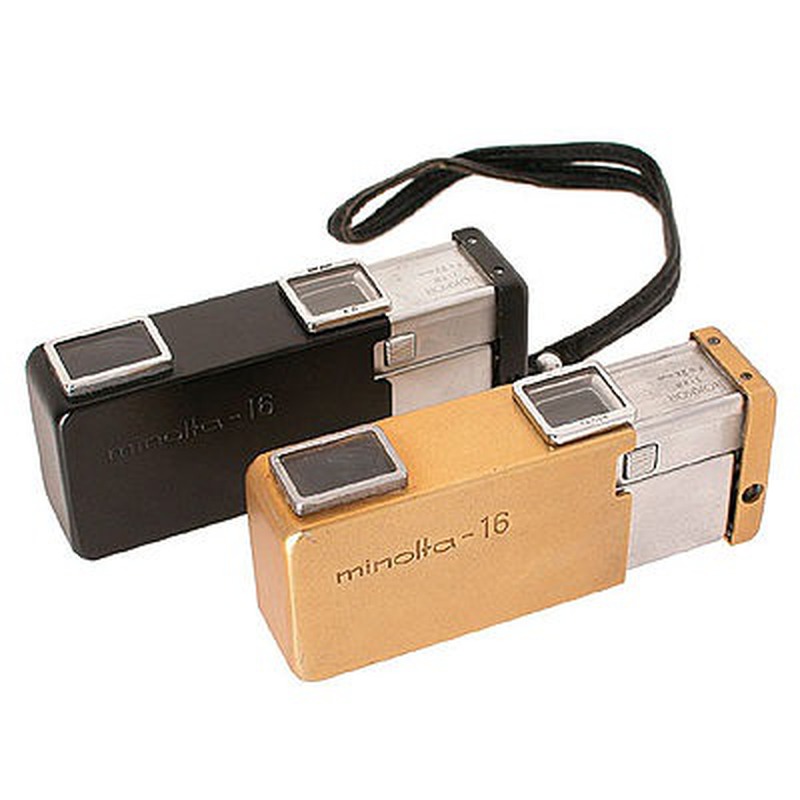
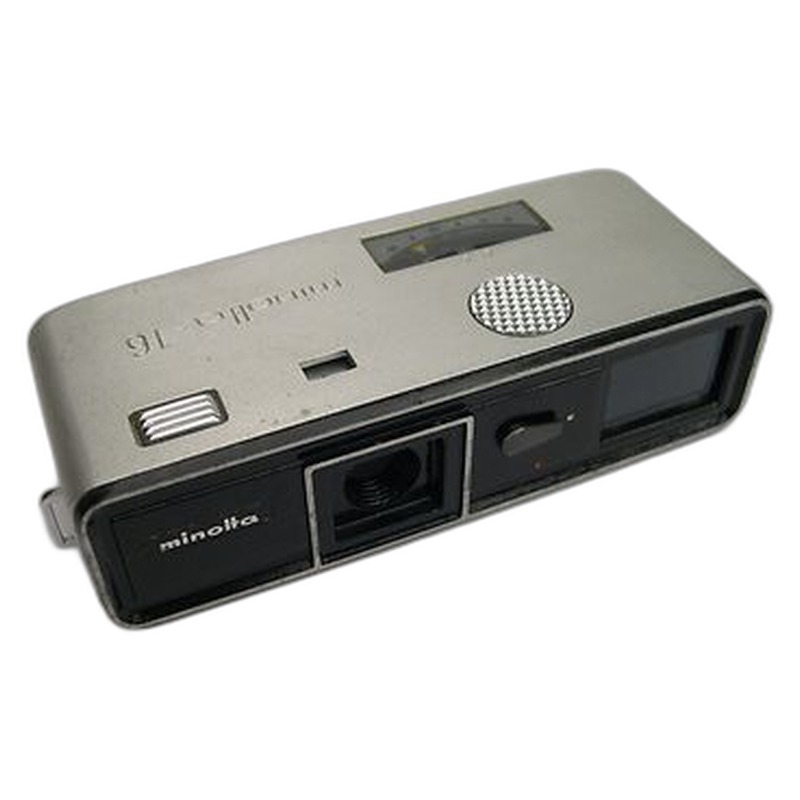
The Minolta 16 II, produced from 1960 to 1966, represents a significant chapter in the history of subminiature photography. As part of Minolta's pioneering 16 series, this camera continued the tradition of making highly compact 35mm cameras that could easily fit into a pocket or purse, democratizing small-format photography for the enthusiast. It utilized standard 35mm film, cleverly loading it in a unique cassette system that allowed for 12 or 20 exposures per roll, catering to the desire for ultimate portability without the need for proprietary miniature film formats. Designed with a straightforward, functional aesthetic typical of Japanese consumer cameras of the era, the Minolta 16 II prioritized simplicity and ease of use, featuring fixed or minimal focus lenses and basic shutter speeds suitable for daylight snapshots.
While lacking the groundbreaking technological innovations or professional cachet of iconic 35mm SLRs, the Minolta 16 II held considerable importance for its role in popularizing ultracompact, high-quality (for its size) still photography. Its robust construction for a consumer-level subminiature, often featuring metal bodies and reliable leaf shutters, ensured durability compared to many competitors. The camera filled a niche perfectly: offering genuine 35mm image quality in a package far smaller than contemporary 35mm rangefinders or SLRs, making it ideal for travel, discreet shooting, or as a secondary camera. Its existence reflected the 1960s market's demand for portable photographic solutions and cemented Minolta's reputation in the subminiature camera segment before the category largely faded with the rise of compact 35mm SLRs and later 35mm compact cameras.
Specifications
| Film Format | 135 |
/main.jpg)
/main.jpg)
/main.jpg)
 Enjoy this museum? Support on Ko-fi