Pricing
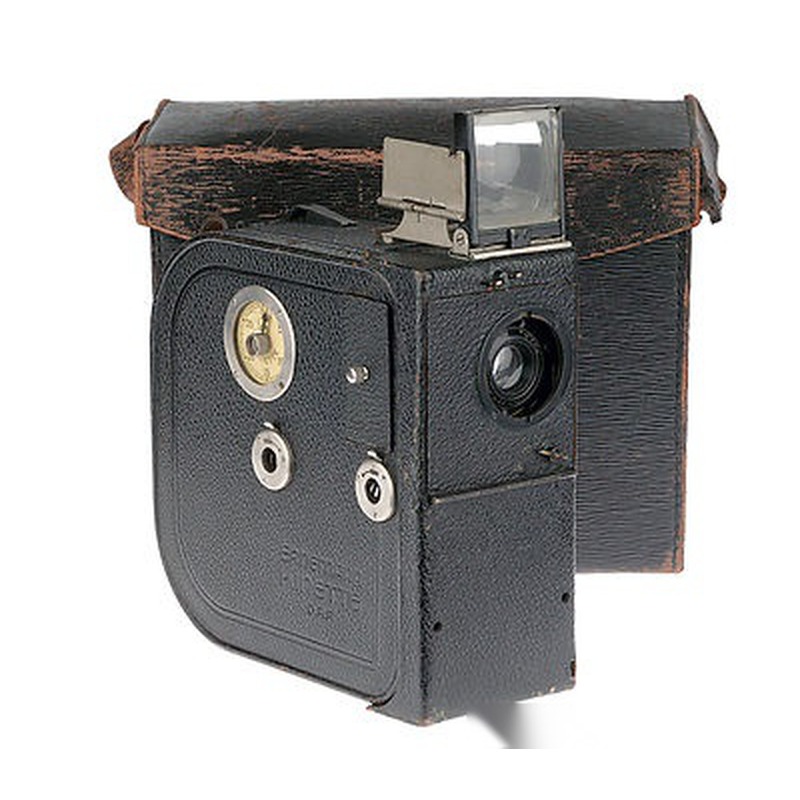
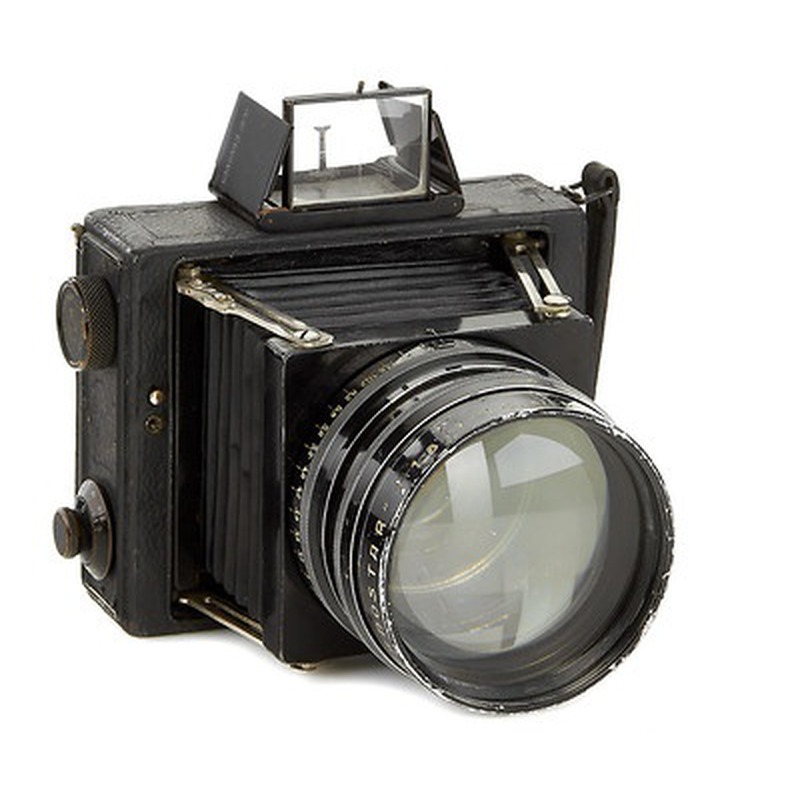
Ernemann Kinette
Ernemann · Germany · 1923–1925 (2 years) · 135 film
The Kinette, manufactured by Ernemann from 1923 to 1925, represents an early entry in the emerging 35mm still camera market. As a German product from the immediate post-World War I period, it utilized the 135 format that would later become standard for small-format photography. Ernemann, a respected camera manufacturer that would eventually merge into Zeiss-Ikon, brought their engineering expertise to the Kinette, though specific details about its design and features remain limited in historical records. The camera's brief two-year production run suggests it faced challenges in a market increasingly dominated by experimental designs that would soon evolve into more successful models.
As an early 35mm camera, the Kinette occupies a modest place in the timeline of photography's miniaturization. It represents the transitional period when manufacturers were adapting 35mm motion picture film for still photography applications, before formats were standardized and cameras were purpose-built for this film. While not particularly innovative or influential, the Kinette contributes to the historical narrative of how compact cameras evolved from novelties to practical tools. Its existence demonstrates Ernemann's attempt to participate in the 35mm market during a period of rapid technological change, though it ultimately failed to achieve lasting recognition compared to contemporaneous designs.
Specifications
| Film Format | 135 |
/main.jpg)
/main.jpg)
 Enjoy this museum? Support on Ko-fi