Pricing
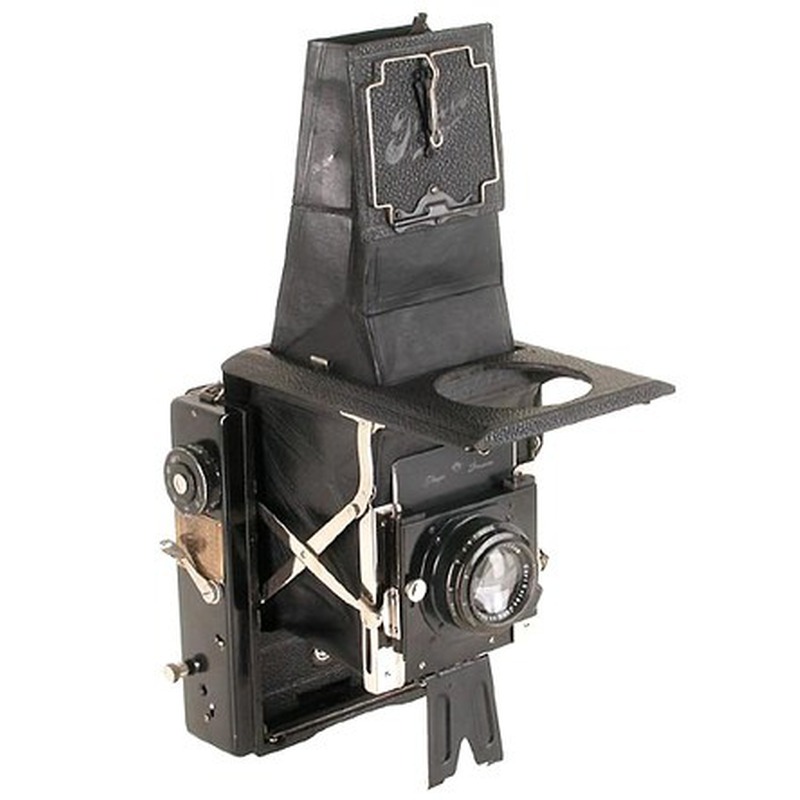
Exakta Patent Klapp Reflex
Exakta · Germany · 1924–1939 (15 years) · 135 film
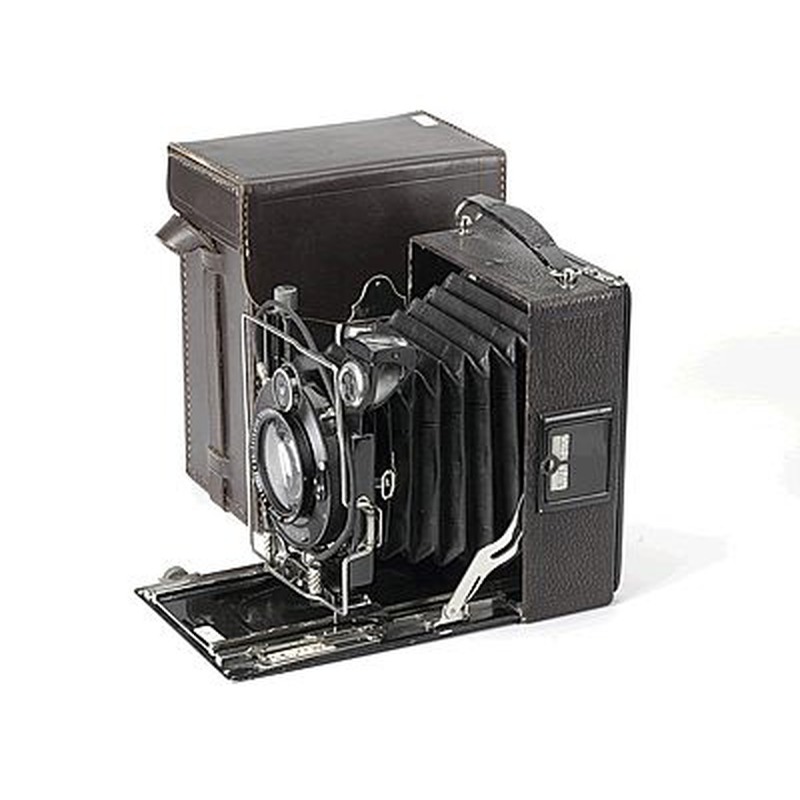
The Exakta Patent Klapp Reflex holds a significant place as one of the pioneering cameras to utilize the 135 film format (35mm), a format that would ultimately dominate photography. Produced by the Ihagee Kamerawerk company in Dresden from 1924 to 1939, its name "Patent Klapp" (meaning folding patent) highlights its key design feature: a folding bellows mechanism that allowed the camera body to collapse compactly when not in use, mimicking the portability of earlier roll-folding cameras while embracing the smaller 35mm film cassettes. While not the very first 35mm camera (that distinction belongs to the Leica I, launched in 1925), the Patent Klapp Reflex was an early and influential contender, helping establish the viability and practicality of the 35mm format for serious photography before WWII. Its design reflected the technological transition and experimentation of the era.
This camera was a notable step towards modern SLR design, featuring a reflex viewing system that allowed the photographer to compose through the lens via a hinged viewing hood, a significant advancement in precision over earlier finder systems. It utilized interchangeable lenses, a crucial feature for versatility. Made largely from metal with robust construction typical of its era, the folding mechanism and bellows were central to its identity and operation. The Patent Klapp Reflex represents a crucial, albeit less heralded, chapter in the story of 35mm photography, embodying the engineering solutions that paved the way for post-war camera evolution.
Specifications
| Film Format | 135 |
/main.jpg)
/main.jpg)
 Enjoy this museum? Support on Ko-fi