Pricing
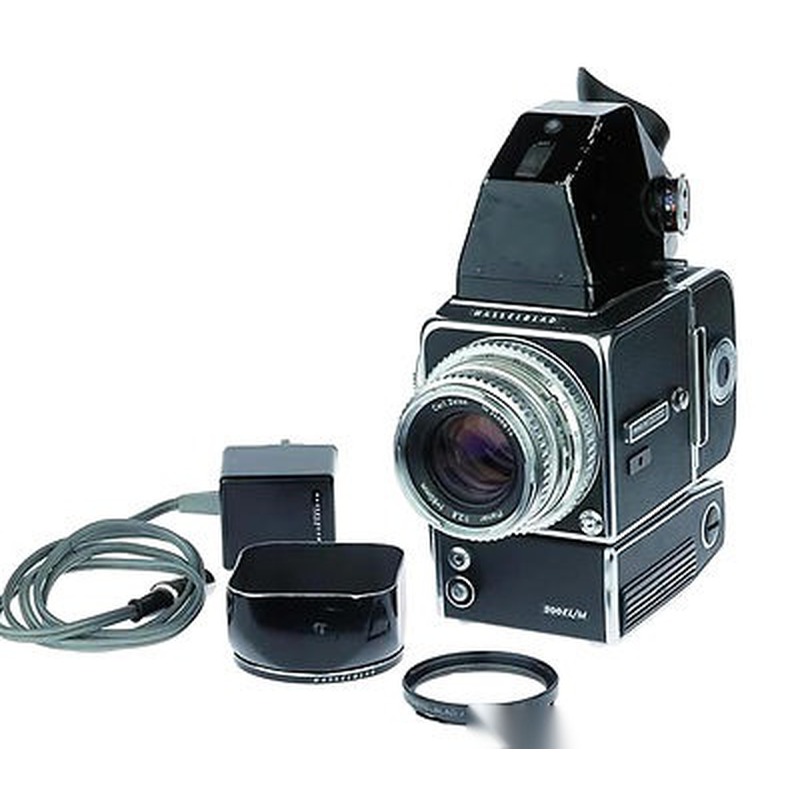
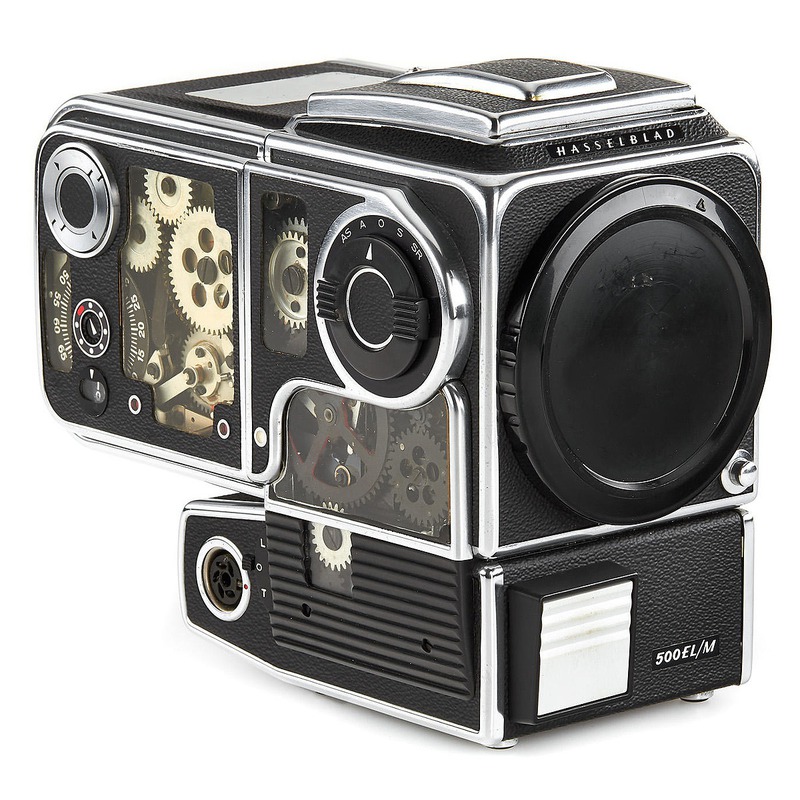
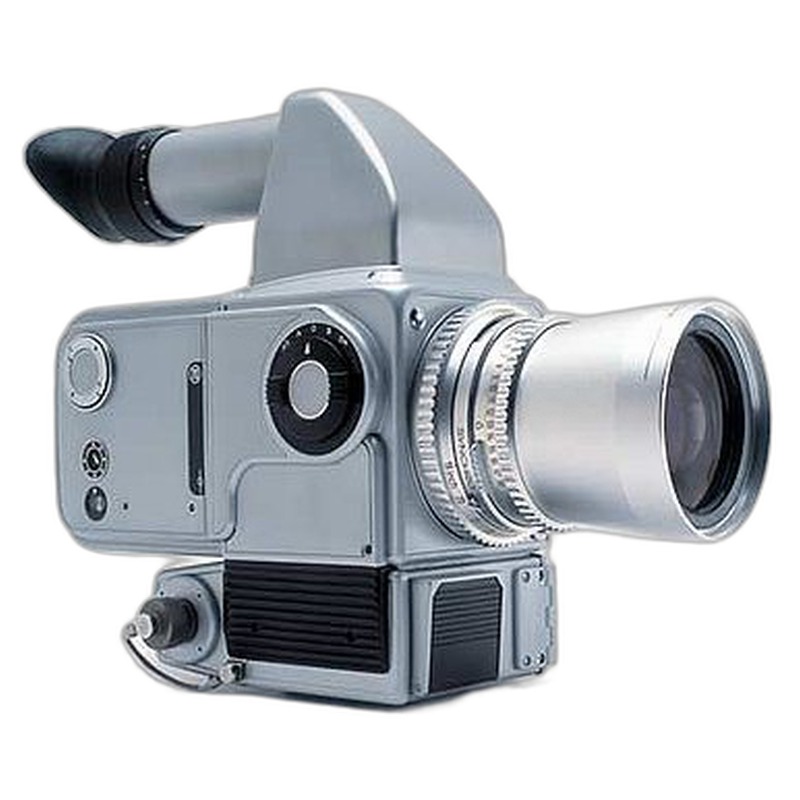
Hasselblad 500 EL/M
Hasselblad · Sweden · 1971–1984 (13 years) · 120 film
The Hasselblad 500 EL/M, introduced in 1971 and produced until 1984, represents a significant evolution in medium format professional photography. Building upon the robust foundation of the 500C, it was the first Hasselblad camera to integrate a built-in motor drive, eliminating the need for separate motor attachments. This innovation was particularly transformative for wedding, event, and documentary photographers who required faster, more responsive shooting capabilities without compromising the system's legendary interchangeability and image quality. The motor drive, powered by internal or external batteries, offered selectable film advance rates, enabling sequences of exposures that were previously difficult to achieve with the standard winding crank.
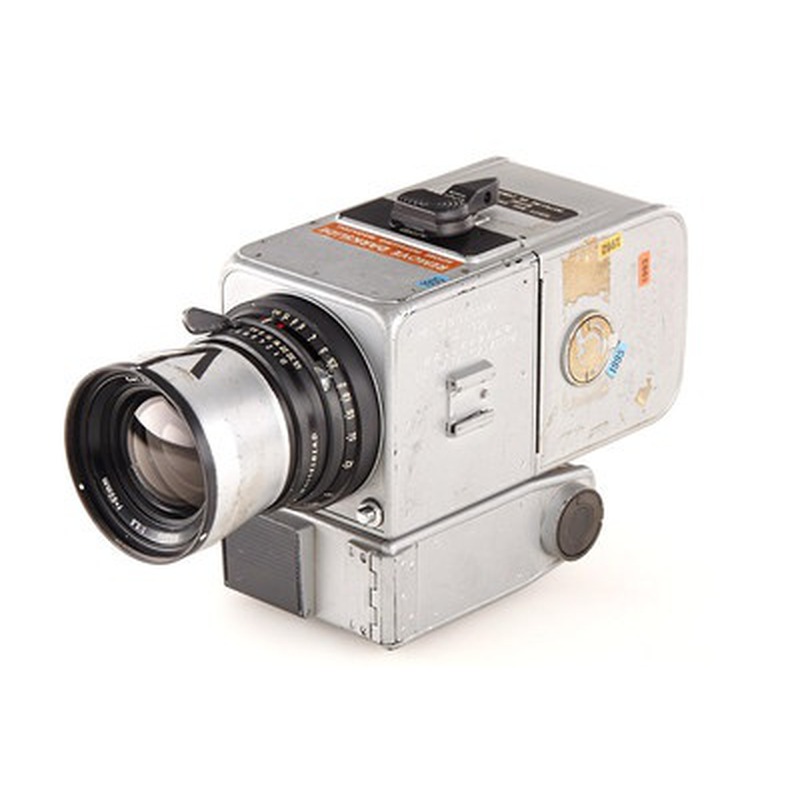
The 500 EL/M retained the core Hasselblad 500 series design principles: a modular body system with interchangeable lenses, viewfinders, film magazines, and a revolutionary leaf shutter in the lens unit, enabling flash synchronization at all shutter speeds. Its robust, all-metal construction prioritized durability and precision, making it a trusted tool in demanding environments. The camera gained widespread recognition for its use in space exploration, famously employed by NASA on later Apollo missions (starting with Apollo 8 and continuing through Skylab) for its reliability and the large, high-quality negatives produced on 120 film. Its adoption by prominent fashion and portrait photographers, including Helmut Newton, further cemented its reputation as a workhorse for capturing iconic images. The EL/M bridged the gap between manual medium format precision and the growing demand for motorized automation in professional workflows.
Specifications
| Film Format | 120 |
/main.jpg)
/main.jpg)
 Enjoy this museum? Support on Ko-fi