/main.jpg)
Rolleiflex 4x4 Baby (prototype PR 205)
Rollei · Germany · 1961 · 120 film
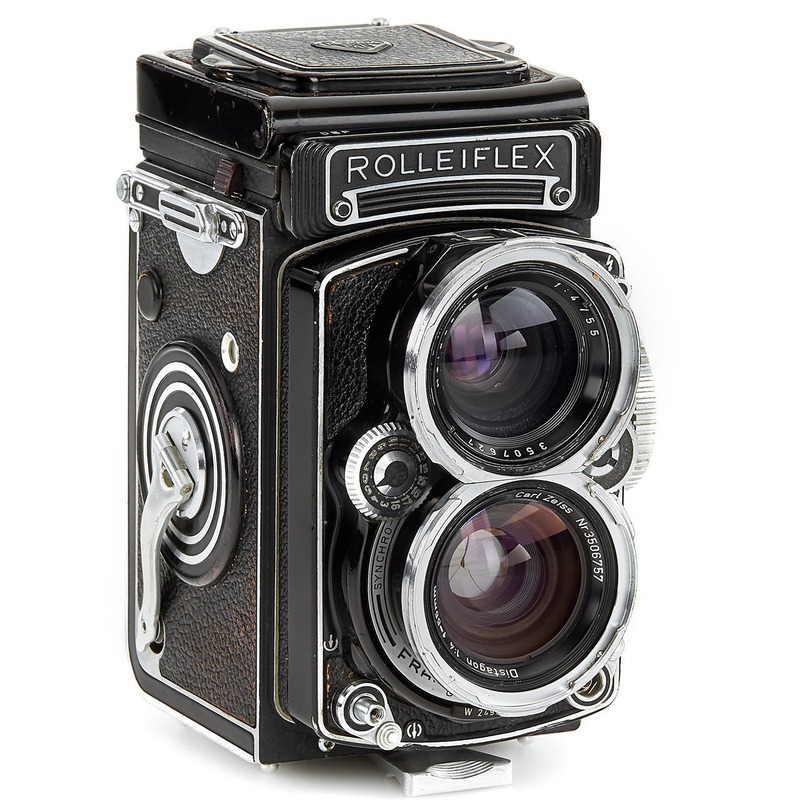
The Rolleiflex 4x4 Baby (prototype PR 205) represents a fascinating experimental stage in Rollei's quest for a compact twin-lens reflex (TLR) camera. Unearthed in Rollei archives, this prototype dates to 1961 and utilizes the standard 120 roll film format. While sharing the iconic square composition and waist-level viewing characteristic of Rolleiflex cameras, the "4x4 Baby" designation suggests a significantly smaller intended form factor than the standard 2.25" x 2.25" (6x6cm) format. Its existence points to Rollei's interest in exploring a more portable TLR option, potentially targeting a niche market for a lightweight yet premium medium format camera, though it never progressed beyond the prototype stage. The build quality, true to Rollei's reputation, would have been exceptionally high, utilizing robust materials like metal and precise engineering, albeit tailored for this compact experiment.
As a non-production prototype, the PR 205 holds limited direct historical impact on photographic practice compared to Rollei's mainline Rolleiflex cameras. Its significance lies primarily in its documentation of Rollei's design exploration during the early 1960s, offering a unique glimpse into the evolution of the TLR concept and the brand's technical ambitions. While it embodies Rollei's commitment to quality and innovation, its confined status as a prototype means it did not influence wider camera design or photographic trends in the way released models did.
Specifications
| Film Format | 120 |
/main.jpg)
/main.jpg)
 Enjoy this museum? Support on Ko-fi