_(545_12)/main.jpg)
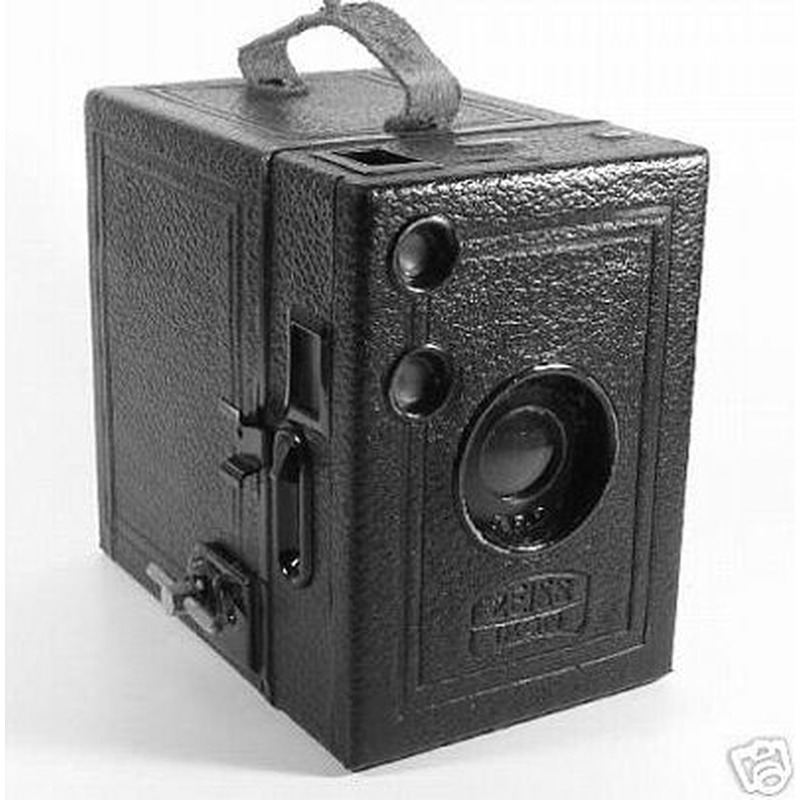
Zeiss Piccolette (201) (545/12)
Zeiss · Germany · 1927–1930 (3 years) · 135 film
The Zeiss Piccolette (201) (545/12) represents an early entrant in the burgeoning 35mm camera market during the late 1920s. Produced by the renowned German optical manufacturer Zeiss from 1927 to 1930, this camera utilized the 135 film format, which was just gaining traction after the introduction of the Leica I in 1925. Designed primarily for amateur photographers seeking a compact and relatively affordable option, the Piccolette featured a simple, functional construction typical of its era. It likely incorporated a basic central shutter system and offered straightforward focusing controls, prioritizing reliability and ease of use over advanced features. Its significance lies in its role as a commercially viable 35mm camera from one of photography's most respected names, contributing to the popularization of the small format during a pivotal period before the Great Depression altered the market.
As a product of Zeiss, the Piccolette was built with characteristic German precision and durability, utilizing robust materials typical of mid-range cameras of the time. Its compact size made it highly portable for snapshots and casual travel photography. While not revolutionary in design or capability compared to contemporaries like the Leica, the Piccolette filled a niche for discerning amateurs seeking a quality 35mm camera that was more accessible than high-end rivals. Its production run from 1927 to 1930 places it firmly within the formative years of 35mm photography, reflecting the industry's rapid experimentation and growth.
Specifications
| Film Format | 135 |
/main.jpg)
/main.jpg)
/main.jpg)
/main.jpg)
 Enjoy this museum? Support on Ko-fi