/main.jpg)
Pricing
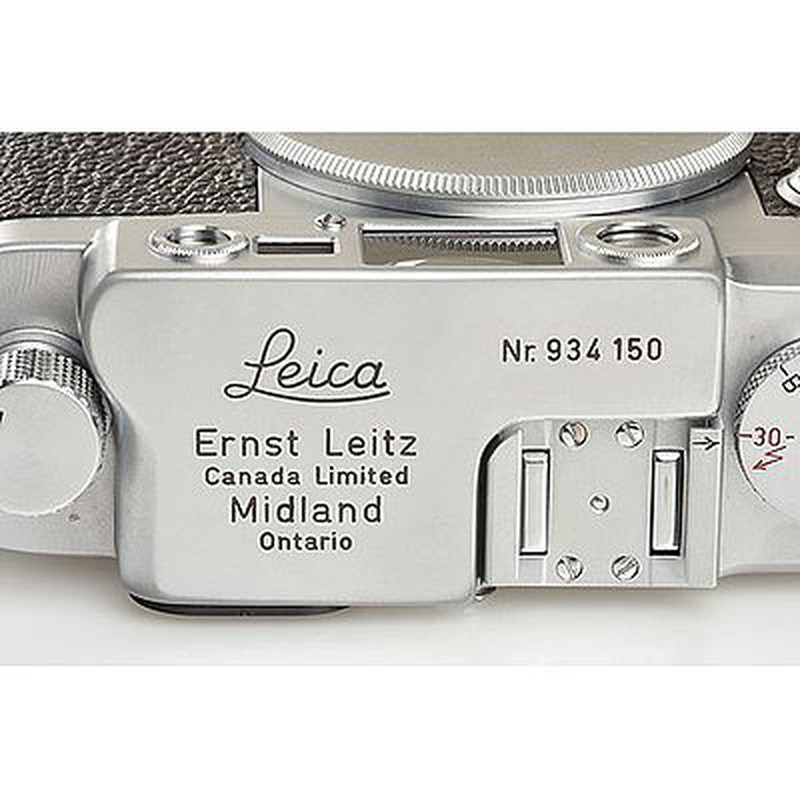
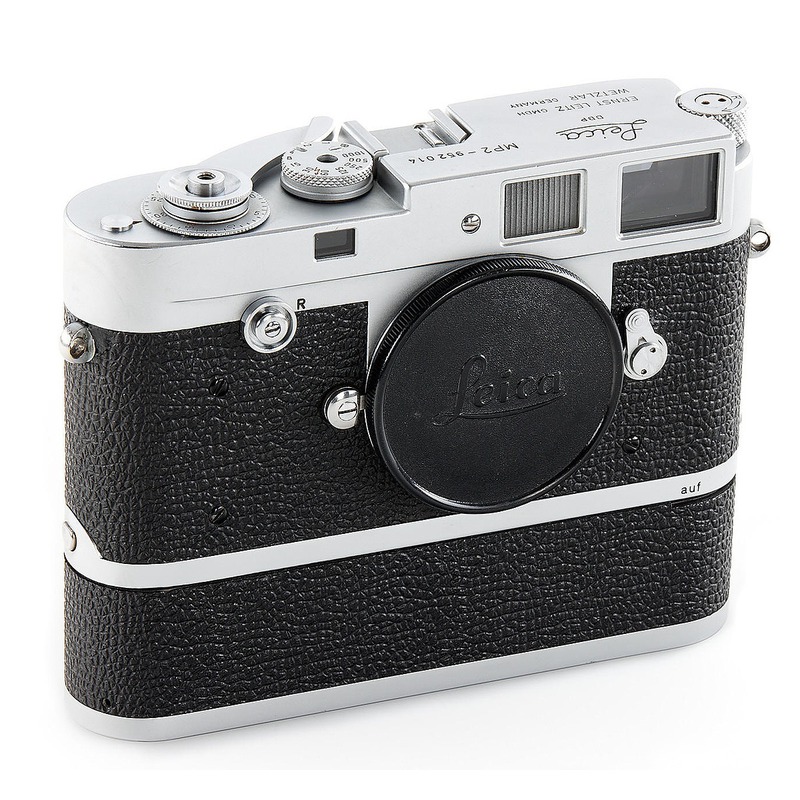
Leica IIIg Midland (Leicavit)
Leica · Germany · 1958 · 135 film
The Leica IIIg Midland (Leicavit) represents the zenith of Leica's iconic screw-mount rangefinder line, embodying the refinements of a design perfected over three decades. Introduced in 1958, the IIIg was the final iteration of the Leica III series, featuring a combined viewfinder and rangefinder window within the characteristic Leica body profile. This model marked a significant leap in usability for photographers transitioning from earlier III models, offering a brighter, more accurate rangefinder with a 0.91x magnification and a significantly longer base for precise focusing. The "Midland" designation signifies a specific version, often featuring unique trim or markings for the British market, while the inclusion of the "Leicavit" – Leica's rapid winder attachment bolted to the base – transforms this into a faster-shooting machine, crucial for capturing fleeting moments favored by photojournalists of the era. Its compact build, superb lenses, and mechanical reliability cemented its status as the preferred tool for countless influential photographers, including masters like Henri Cartier-Bresson and Robert Capa who employed its predecessors extensively.
Built with Leica's legendary precision, the IIIg Midland (Leicavit) body is a masterpiece of German engineering, crafted from durable cast brass with a black leatherette covering. Its primary innovations lie in the advanced coupled rangefinder system and the integrated Leicavit wind, enabling rapid sequence shooting without sacrificing the camera's renowned compactness and stealth. While not revolutionary in its basic concept like the later M3, the IIIg perfected the screw-mount formula, offering a robust and intuitive shooting experience. This specific variant, combining the late-model IIIg with the factory-fitted Leicavit, represents a particularly desirable configuration for collectors and enthusiasts, signifying a fast-action setup ideal for reportage photography at the peak of the 35mm film era. Its legacy is tied to the golden age of photojournalism, where its portability, silence, and image quality made it indispensable for documenting history on the move.
Specifications
| Film Format | 135 |
/main.jpg)
 Enjoy this museum? Support on Ko-fi