Pricing
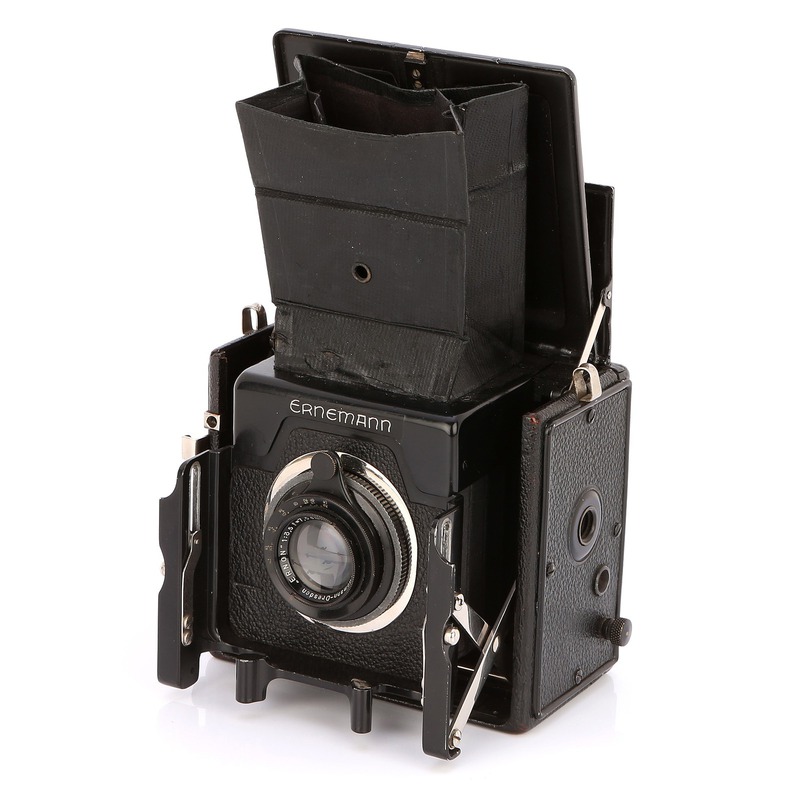
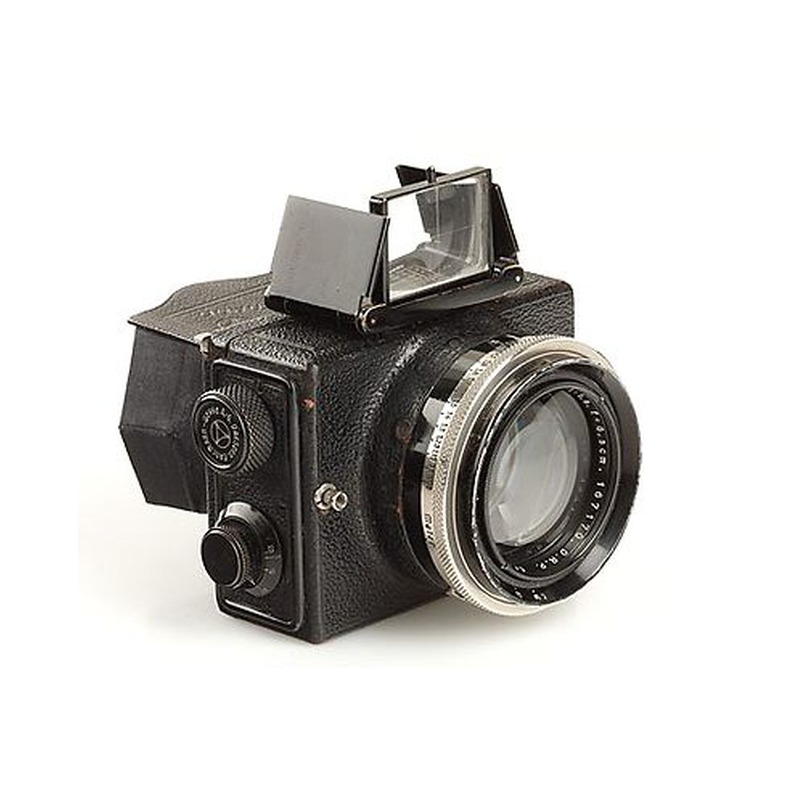
Ernemann Miniature Ernoflex
Ernemann · Germany · 1924–1926 (2 years) · 135 film
Produced by the German optical firm Ernemann between 1924 and 1926, the Miniature Ernoflex represents a significant early entry into the burgeoning market for 135 (35mm) still cameras. Emerging during a pivotal moment when Kodak's standardization of the film format was enabling compact designs, the camera was part of Ernemann's efforts to compete with the revolutionary Leica I, launched just a year earlier. As a "Miniature" model, it emphasized portability within the practical constraints of the era, signaling Ernemann's commitment to embracing the smaller film format favored for its convenience and potential for high-quality negatives. This production window places it squarely among the very first generation of practical 35mm still cameras, immediately following the groundbreaking Ur-Leica prototypes and the Leica I's initial market impact.
The Miniature Ernoflex was a coupled rangefinder camera, featuring a focal plane shutter typical of early 35mm designs. It likely offered interchangeable lenses, a crucial feature distinguishing serious cameras from simpler models, though specific details on its lens range or shutter speeds are not detailed here. Its design reflected contemporary ergonomic priorities for handheld operation, aiming to deliver the image quality and flexibility associated with the 135 format to photographers seeking a step up from larger formats or simpler roll-film cameras. While Ernemann would eventually merge into Zeiss Ikon in 1926, this camera stands as a notable, tangible example of the rapid innovation and competition that characterized the dawn of the 35mm era.
Specifications
| Film Format | 135 |
/main.jpg)
/main.jpg)
/main.jpg)
 Enjoy this museum? Support on Ko-fi